The selection of coconut milk on the supermarket shelf can be overwhelming. Whether you're making a creamy Thai curry, a vegan soup, or an exotic dessert, not all coconut milk is equally suited for every dish. The differences in fat content, origin, and ingredients are crucial for the success of your recipe.
As your Joybuy Product Recommendation Officer, I'm here to help you find the right coconut milk for your culinary needs. This guide is based on objective product features and is designed to give you clear guidance so you can make an informed decision.
What to Look for When Buying Coconut Milk
To make the right choice, it helps to be familiar with a few basic criteria. These characteristics determine the texture, flavour, and suitability of the coconut milk for various types of preparation.
Fat Content: Crucial for Creaminess and Use
Fat content is one of the most important distinguishing features. It significantly influences the consistency and flavour of your dishes.
- Full-fat coconut milk (approx. 15–22% fat): This version is rich and creamy. It's an excellent base for authentic curries, rich sauces, and soups. Thanks to its high fat content, it is less likely to curdle at high heat and provides a velvety texture. It's the classic choice if you want to use coconut milk for curry or as a rich vegan cooking cream.
- Light coconut milk (approx. 5–9% fat): This lighter alternative has a more liquid consistency. Light coconut milk is a great option for lighter soups, marinades, smoothies, or if you're looking to reduce calories. When using this type of coconut milk for cooking, be careful not to bring it to a rolling boil to avoid curdling.
Origin and Ingredients: A Look at Quality
The ingredients list provides insight into the product's composition and purity.
- Coconut extract and water: High-quality coconut milk consists mainly of these two ingredients. The percentage of coconut extract is an indicator of the intensity of the coconut flavour.
- Additives: Many products contain stabilisers like guar gum (E412) to prevent the fat and water from separating and to ensure a uniform consistency. This is a common and safe practice. Products without additives may separate in the can, which can be fixed with a vigorous shake.
- Origin:Thai coconut milk is particularly known for its role in Southeast Asian cuisine and is often preferred for authentic dishes. Products from other regions like Sri Lanka or Vietnam also offer high quality and may have subtle flavour variations depending on the brand.
- Organic Quality: If you value organic farming, organic coconut milk is the right choice. These products come from certified farms that do not use synthetic pesticides and fertilisers.
Packaging: Canned vs. Carton Coconut Milk?
The most common packaging is the metal can of coconut milk. It effectively protects the contents from light and oxygen, ensuring a long shelf life. Alternatively, coconut milk is also available in resealable cartons, which can be convenient if you only need a small amount.
Coconut Milk Recommendations
Here is a selection of coconut milk products that are suited for different applications due to their specific properties.
Valle Del Sole Coconut Milk 6% 400ml
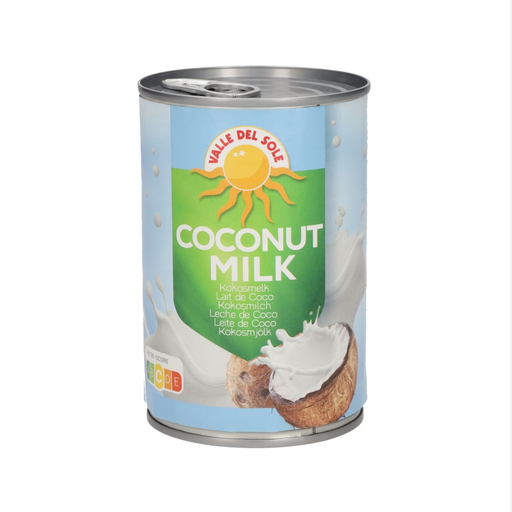
- Why it stands out: With a fat content of only 6%, this product is a significantly lighter alternative to classic coconut milk without sacrificing its creamy character.
- Product Details:
- Fat content: 6 g per 100 g
- Coconut extract: 30%
- Origin: Sri Lanka
- Ingredients: Coconut extract, water, stabiliser (E412 Guar Gum)
- Who is it for?: For health-conscious cooks looking for a reduced-fat option for lighter curries, soups, smoothies, or as a lower-calorie alternative to cream.
Valcom ORGANIC coconut milk 400 ml
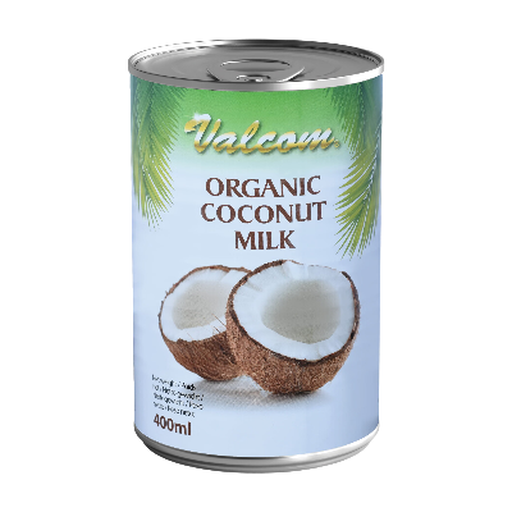
- Why it stands out: This product combines a high percentage of coconut extract with certified organic quality, making it the choice for a pure and authentic flavour.
- Product Details:
- Fat content: 17.4 g per 100 ml
- Coconut extract: 68% (from organic farming)
- Origin: Sri Lanka
- Ingredients: Organic coconut extract, water, thickener (Guar Gum)
- Who is it for?: For consumers who prefer organic coconut milk and want a full, creamy flavour for a variety of dishes, from curries to desserts.
Mae Ploy blue coconut milk 400 ml
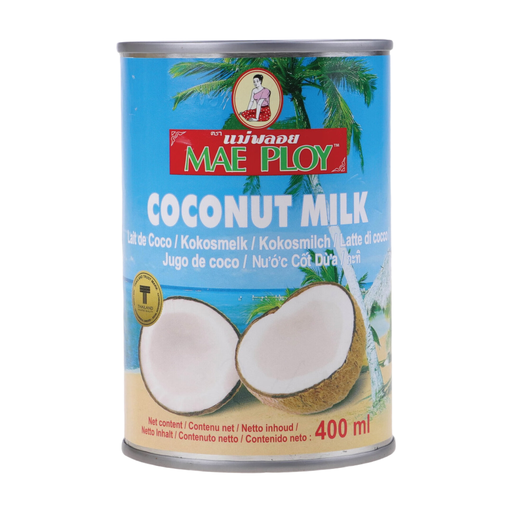
- Why it stands out: As a product from Thailand, this coconut milk is a classic ingredient for preparing authentic Southeast Asian dishes. The Mae Ploy brand is well-established in Thai cuisine.
- Product Details:
- Fat content: 17 g per 100 ml
- Coconut extract: 53%
- Origin: Thailand
- Ingredients: Coconut extract, water, antioxidant (E330)
- Who is it for?: For home cooks and fans of Asian cuisine looking for an authentic Thai coconut milk for curry, Tom Kha Gai soup, and other traditional recipes.
AROY-D Thai Coconut Milk for Desserts 400ml
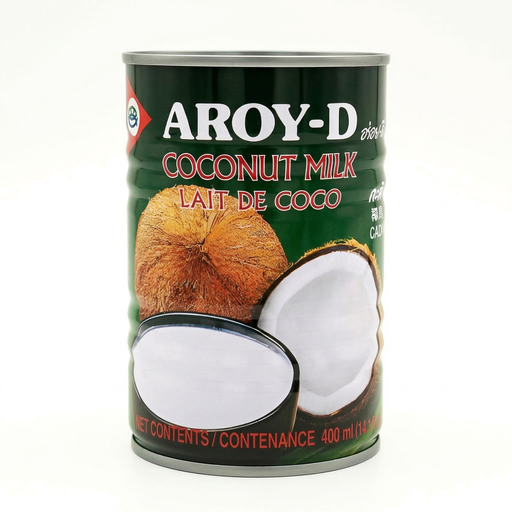
- Why it stands out: With a high coconut content of at least 60%, this coconut milk offers a particularly rich and luxurious texture, specially developed for making desserts.
- Product Details:
- Fat content: Not explicitly stated, but can be classified as full-fat due to the high coconut content.
- Coconut extract: min. 60%
- Origin: Thailand
- Ingredients: Coconut extract, water
- Who is it for?: Perfect for anyone who needs an extra-creamy coconut milk for desserts like mango sticky rice, puddings, ice cream, or rich beverages.
Looking for Something Else?
Haven't found the right coconut milk for your recipe yet, or want to compare more options? Discover additional products in our Asian-Style Coconut Water category.
Frequently Asked Questions (FAQ)
1. Can you use coconut milk as a substitute for cream?
Yes, coconut milk is a popular plant-based alternative to cream and is suitable for many recipes. Full-fat coconut milk can be used as a vegan cooking cream in sauces, soups, and curries to achieve a similar creaminess. Light coconut milk is suitable for lighter dishes or for adding to coffee and cereal.
2. What is the difference between coconut milk and coconut water?
Coconut milk and coconut water both come from the coconut, but they are two completely different products. Coconut milk is made from the puréed white flesh of a mature coconut and is creamy and high in fat. It is primarily used for cooking. Coconut water is the clear, thin liquid from the inside of a young, green coconut. It is fat-free and is mostly consumed as a refreshing drink.
3. How do I store opened canned coconut milk?
After opening, any remaining contents from the coconut milk can should be transferred to an airtight glass or plastic container. Metal can react with the contents and affect the taste. Stored in the refrigerator, the coconut milk should be used within about three days.


