
Lieferung heute & morgen

Qualitätsgarantie

Willkommens-Angebote freischalten: KOSTENLOSE Lieferung | Bis zu 80 % RABATT | Kostenlose 30-Tage-JoyPlus-Testphase
App herunterladen
Coconut water has established itself as a refreshing alternative to sugary sodas and juices. But the market can be overwhelming, and not every product promising a tropical escape delivers on its claims. Many consumers unknowingly reach for products that are closer to a sugary beverage than a natural thirst quencher. This guide will help you spot the most common pitfalls and make an informed decision.
The 2 Most Common Traps When Buying Coconut Water:
To ensure you're getting a high-quality product that meets your needs, you should check three key parameters. These will help you objectively evaluate the quality and suitability of the coconut water.
The most telling information is found on the ingredients list. A pure coconut water should ideally contain only one ingredient: 100% coconut water.
Coconut water is often prized as a natural isotonic drink because it naturally contains electrolytes.
The choice of packaging largely depends on your intended use.
Based on these objective criteria, we have curated a selection of products for different needs.
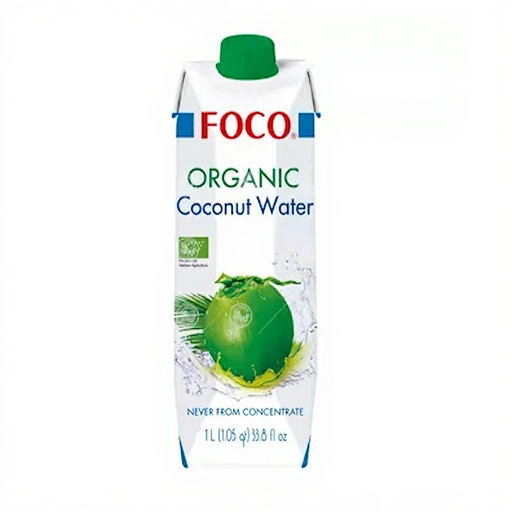
Why This Fits Their Persona: Ideal for regular consumption, as a base for smoothies, or as a healthy thirst quencher for the whole family. The organic certification appeals to health-conscious households.
The ingredients list is clear: 100% organic coconut water. There are no hidden sugars or flavourings, making it a pure, natural product.
Certified organic; convenient 1-litre size for stocking up.
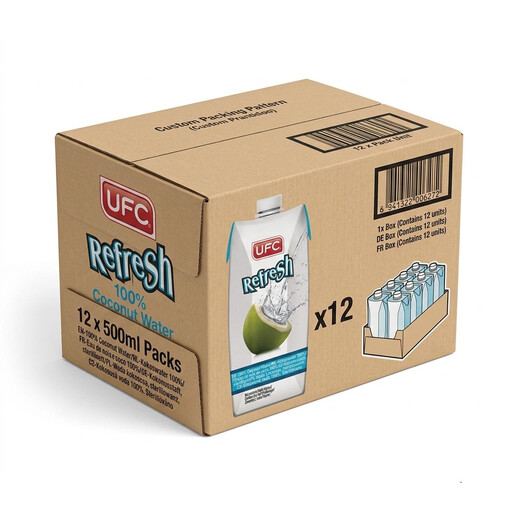
Why This Fits Their Persona: An excellent choice for post-workout rehydration. The 500ml size is perfect for a gym bag and delivers a quick dose of natural electrolytes.
Made from 100% coconut water and free from additives. It serves as a pure, natural electrolyte drink without the drawbacks of sugary sports drinks.
High potassium content (211 mg/100ml according to the manufacturer); convenient portion size.
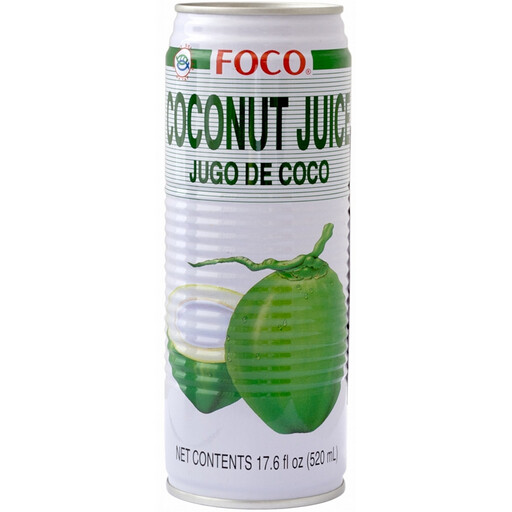
Why This Fits Their Persona: For those who prefer a sweeter, richer coconut experience with texture. This beverage is less of a pure thirst quencher and more of a tropical treat.
The product is marketed as "Coconut Juice," not pure coconut water. The ingredients list transparently indicates it contains coconut juice (80%), sugar, and coconut pulp.
Contains real coconut pulp for added texture; high juice content for an intense flavour.
We've compiled a complete, up-to-date list of products that fully meet these strict selection criteria.
Coconut water is the clear, watery liquid from the inside of young, green coconuts. It is naturally low in fat and calories. Coconut milk, on the other hand, is made from the pressed pulp of mature, brown coconuts. It is creamy, rich in fat and calories, and is primarily used for cooking.
Once opened, coconut water should be stored in the refrigerator. Most manufacturers recommend consuming the product within 24 hours to 3 days to ensure freshness and flavour. Always check the specific instructions on the packaging.
Yes, pure coconut water has a natural, subtle sweetness that comes from the coconut's own sugars. The taste can vary depending on the origin and ripeness of the coconuts. An overly sweet taste is often an indicator of added sugar or the use of concentrate.