
Lieferung heute & morgen

Qualitätsgarantie

Willkommens-Angebote freischalten: KOSTENLOSE Lieferung | Bis zu 80 % RABATT | Kostenlose 30-Tage-JoyPlus-Testphase
App herunterladen
A bean-to-cup coffee machine promises convenience and enjoyment at the touch of a button. However, the result in your cup lives and dies by the choice of the right coffee bean. The market is filled with tempting packaging and flowery descriptions, making the decision difficult. Many owners of these machines find that after their purchase, the coffee doesn't taste as expected, or the machine even starts having problems.
As your Joybuy Product Recommendation Officer, I'll help you understand the crucial criteria and avoid common pitfalls. The goal is for you to make an informed choice that suits your taste and your machine.
Before we dive into the selection criteria, let's look at the most common blunders that lead to disappointment and unnecessary expense.
To find the right beans, focus on three objective characteristics found on almost every package.
The roast level affects not only the aroma but also the texture of the bean.
The composition of the bean blend is crucial for taste, body, and crema.
Coffee is a fresh product. Whole beans retain their aroma longer than ground coffee, but they also lose quality over time. The common 1kg coffee bean bags offer good value for money for heavy coffee drinkers. Be sure to store the package in an airtight, dark container after opening and consume the beans within 4 to 6 weeks.
Here are some recommendations tailored to different taste preferences and usage habits.
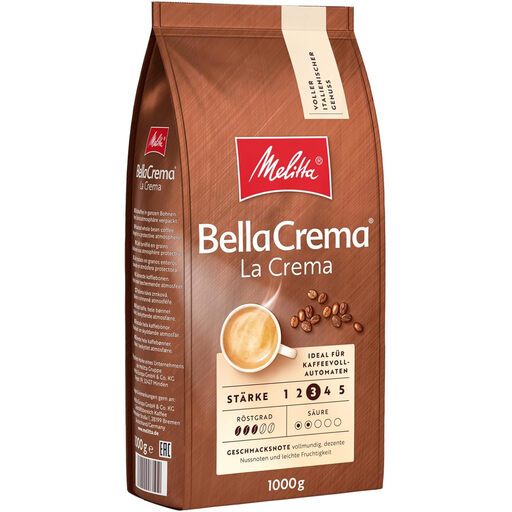
Why it's a great choice: Ideal for daily coffee enjoyment. These beans are designed for a balanced Caffè Crema that is neither too strong nor too mild, and also serves as a great base for milky coffees. A reliable all-rounder for the classic palate.
The medium roast (Intensity 3) ensures a dry bean surface. This is gentle on the machine's grinder and avoids the problem of oily beans.
100% Arabica beans for a balanced, nutty aroma. The roasting in Germany stands for a consistent quality standard.
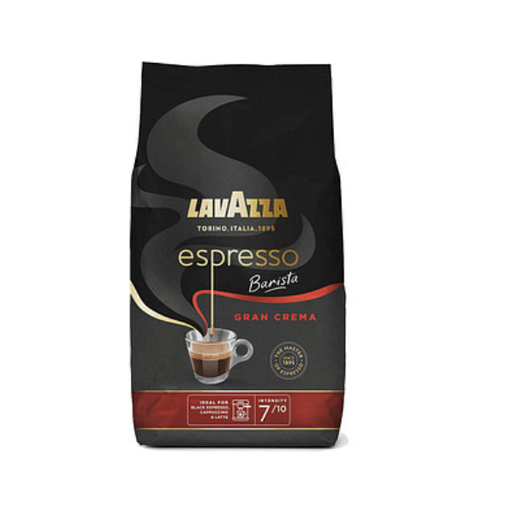
Why it's a great choice: For everyone who wants to experience the strong, full-bodied taste of an authentic Italian espresso at home. Ideal for preparing espresso, but also as a robust base for cappuccino and latte macchiato.
This blend is explicitly designed for the at-home barista experience, which includes compatibility with bean-to-cup machines. The mix of Arabica and Robusta ensures a stable crema, meeting the expectations for a great espresso.
The Robusta content delivers a dense, long-lasting crema and a powerful body that also cuts through in milk-based drinks.
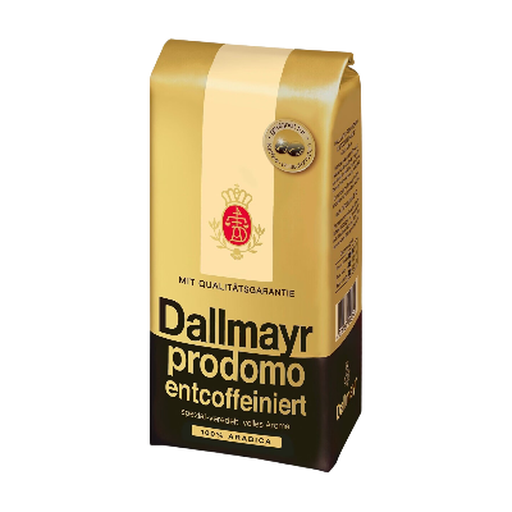
Why it's a great choice: For coffee lovers who don't want to compromise on full flavour at any time of day, but want or need to avoid caffeine. These beans offer the well-known, balanced taste of Dallmayr Prodomo in a decaffeinated version.
Decaffeinated coffee here means no compromise on taste. By using high-quality highland Arabica beans, a full-bodied flavour experience is ensured, which is often lacking in cheaper decaf products.
Consists of 100% Arabica beans, which ensures a harmonious and aromatic flavour profile without the often earthy notes of Robusta.
We've compiled a comprehensive, up-to-date list of products that meet these selection criteria.
Can I use espresso beans for Caffè Crema and vice versa? Yes, that is generally possible. Your bean-to-cup machine can prepare both an espresso (little water) and a Caffè Crema (more water) from any bean. However, a roast declared as an espresso bean will taste very strong and possibly bitter as a Caffè Crema. Conversely, a light Caffè Crema bean might seem too acidic and thin as an espresso. The choice of bean should therefore match your preferred preparation method.
How often should I clean the grinder of my bean-to-cup machine? The cleaning intervals depend heavily on the type of bean and frequency of use. When using dry, medium-roasted beans, it's often sufficient to follow the manufacturer's instructions (e.g., every few weeks or months). If you regularly use very oily, dark beans, more frequent manual cleaning of the grinder is advisable to prevent clogging and malfunctions. Refer to your device's user manual for this.
What does the intensity rating on the package really mean? The intensity scale (e.g., 1-10 or 1-5) is a subjective rating by the roaster and is not standardized. It describes the strength of the flavour profile—a combination of roast level, body, and bitterness. A high intensity usually means a dark roast and a strong, full-bodied taste. However, it says nothing about the caffeine content. A blend with a high Robusta content at a lower intensity can contain more caffeine than a 100% Arabica bean with a high intensity.