
Lieferung heute & morgen

Qualitätsgarantie

Willkommens-Angebote freischalten: KOSTENLOSE Lieferung | Bis zu 80 % RABATT | Kostenlose 30-Tage-JoyPlus-Testphase
App herunterladen
For many, the morning coffee is an essential ritual. Whether you prefer a strong espresso or a mild filter coffee, the right finishing touch can elevate the entire experience. The market for coffee creamer and coffee milk is vast, with options ranging from low-fat varieties to lactose-free alternatives. This guide will provide a clear overview of their characteristics, helping you select the perfect product to enhance your daily coffee.
The right coffee creamer comes down to personal taste and dietary needs. The following points will help you evaluate the key features.
Fat content is one of the most critical factors influencing the texture and taste of your coffee.
Lactose intolerance doesn't mean you have to give up on a creamy coffee experience. Lactose-free coffee creamer is specially treated to break down the milk sugar (lactose), making it easily digestible for those with an intolerance. Modern production methods ensure that these products are nearly indistinguishable in taste from conventional creamers and offer comparable creaminess.
Coffee creamer is available in various types of packaging that affect storage and handling. Resealable cartons or glass bottles are common. Most products have a long shelf life at room temperature when unopened. However, once opened, they should always be stored in the refrigerator and consumed within a few days to ensure freshness. Always follow the manufacturer's instructions on the label.
Based on the criteria above, we have curated a selection of products that cater to different preferences.
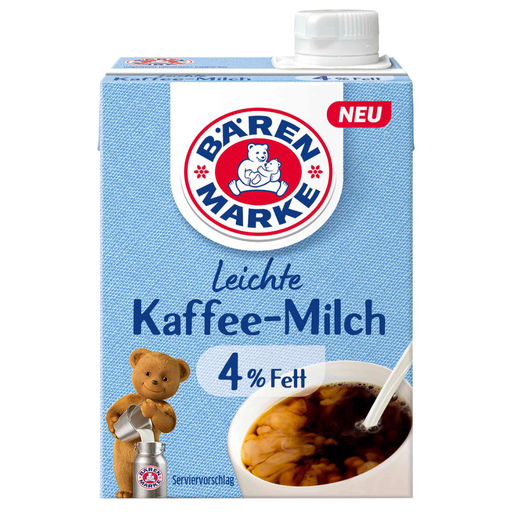
Why it stands out With its reduced fat content, this coffee milk from B?renmarke is a balanced choice for daily coffee enjoyment. It provides a pleasant creaminess without making the coffee feel heavy.
Pros:
Best for: Coffee drinkers who want a lighter, yet still creamy, addition to their everyday coffee, whether at home or in the office.
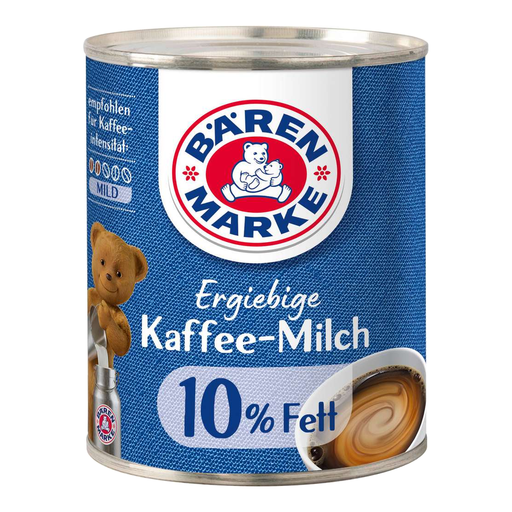
Why it stands out With 10% fat, this coffee milk delivers an exceptionally rich and luxurious taste experience. Its creamy texture not only enhances coffee but is also suitable for refining desserts, according to the manufacturer.
Pros:
Best for: Connoisseurs who prefer an especially full-bodied and creamy coffee and value a rich texture.
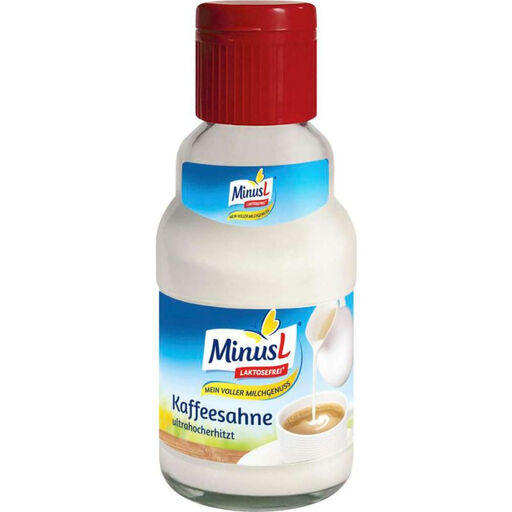
Why it stands out This product from Minus L combines a rich 10% fat content with a lactose-free formula. It was developed specifically for people with lactose intolerance who don't want to miss out on a full-bodied coffee creamer.
Pros:
Best for: Individuals with lactose intolerance who are looking for a creamy and flavourful lactose-free coffee creamer.
The products featured here represent just a fraction of the available options. If you are looking for other varieties or different brands, you are sure to find the right product for your needs in our extensive assortment.
Discover our entire range of coffee creamers
The terms are often used interchangeably in everyday language. Technically, the main difference lies in the fat content. Coffee creamer typically has a fat content of at least 10%. Products with a lower fat content, for example between 4% and 8%, are more often called coffee milk. The higher the fat content, the creamier the result in your coffee.
Yes, unsweetened condensed milk for coffee is a very popular option. Condensed milk is milk from which water has been removed by heating, making it thicker and more shelf-stable. Its consistency and fat content are often comparable to that of coffee creamer, and it provides a similarly creamy result. Sweetened condensed milk will also add significant sweetness to the coffee.
Once opened, coffee creamer should always be stored in the refrigerator. It will typically last for about 3 to 5 days. It is advisable to always follow the specific recommendations of the manufacturer on the packaging, as shelf life can vary depending on the product and production process.