
Lieferung heute & morgen

Qualitätsgarantie

Willkommens-Angebote freischalten: KOSTENLOSE Lieferung | Bis zu 80 % RABATT | Kostenlose 30-Tage-JoyPlus-Testphase
App herunterladen
A great day often starts with a great cup of coffee. But even the finest beans can't release their full aroma if one crucial detail isn't right: the coffee filter. The wrong purchase not only leads to frustration but can also significantly compromise your coffee experience. Many users grab the wrong box off the shelf and later get annoyed by overflowing filters, coffee grounds in their cup, or an unpleasant aftertaste.
Before you order your next supply of filter bags, you should know the two most common pitfalls that lead to an unsatisfying result:
This guide will help you avoid these problems and choose the right filter for your needs.
You don't need to pore over complicated product reviews to find the right coffee filter. Simply pay attention to three basic features that determine quality and fit.
The size specification is the most important criterion. The most common designations in Europe are the "1x" system and simple numbering.
Check before you buy: Look at the packaging of your old filter bags or directly on the filter holder of your coffee machine. The required size is almost always indicated there.
The filter's colour provides information about its manufacturing process and, for many users, also has an ecological dimension.
The choice between brown and white is ultimately a matter of personal preference. More important than the colour is an FSC (Forest Stewardship Council) seal. It certifies that the paper comes from responsibly managed forests.
A common annoyance is a filter that bursts open. Pay attention to the construction of the seams. Many brands, such as Melitta coffee filters, advertise a double seam or particularly strong embossing. This reinforced design ensures that the filter for the coffee machine won't tear, even under the full weight of wet coffee grounds.
Based on the quality criteria mentioned, we have put together some products for different needs.
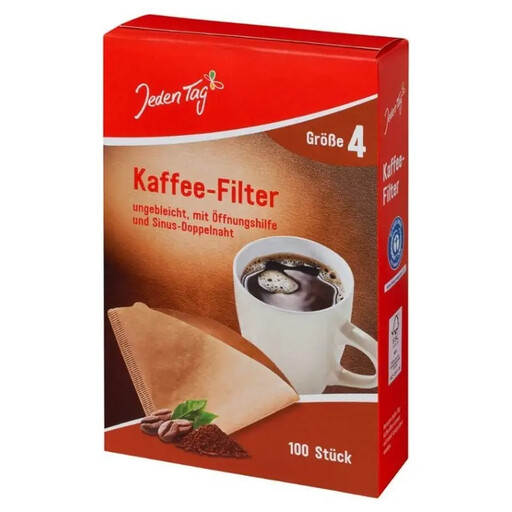
Why This Fits Their Persona: Ideal for daily use in standard coffee makers. This product offers excellent value for money for households and offices where coffee is brewed regularly and in large quantities.
The clear "Size 4" designation prevents buying the wrong size. The unbleached paper is a great choice for minimising the risk of any chemical aftertaste.
Standardised size 4, suitable for most drip coffee makers. Unbleached, natural brown paper.
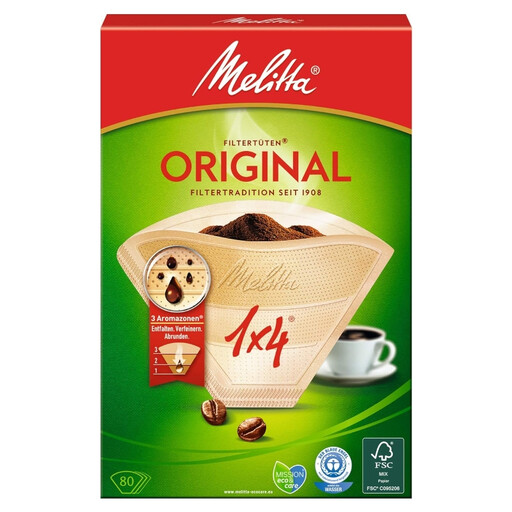
Why This Fits Their Persona: For coffee drinkers who value pure flavour development and reliable brand quality. The special paper structure is designed for optimal taste.
According to the manufacturer, the Aromapor paper used is specially developed for optimal flavour extraction, which counteracts any papery taste. The sturdy double seam prevents the filter from tearing.
FSC-certified paper for responsible forestry. Special micro-perforations (Aromapores) for full-bodied flavour.
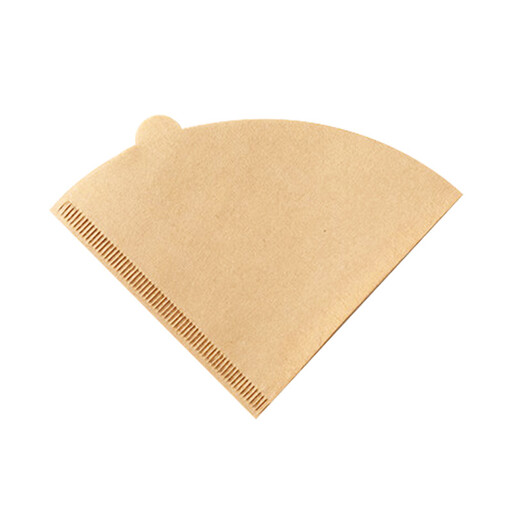
Why This Fits Their Persona: Specifically for users of smaller manual filters or pour-over drippers (e.g., Hario V60-01). The conical shape and #1 size are designed for preparing 1-2 cups.
By choosing the specific #1 size, it avoids the "sizing mistake" for users of small manual brewers. The unbleached raw wood pulp paper ensures a clean extraction with no aftertaste.
Conical shape for an optimal fit in V-shaped drippers. Adhesive-free manufacturing via hot-pressing for high heat resistance.
We have compiled a complete, up-to-date list of products that fully meet these strict selection criteria and all relevant regulations.
Typically, both designations refer to the same filter size and are compatible with each other. The 1x4 designation originated with the Melitta brand and has become the de facto standard for filter bags designed for 8 to 10 cups of coffee. Size 4 is the equivalent term used by many other manufacturers.
It is recommended to briefly rinse the paper coffee filter with hot water before adding the coffee grounds. This step has two advantages: First, it helps the filter adhere better to the sides of the filter holder. Second, it removes any potential paper dust and minimises the risk of a slight papery taste, leading to a purer coffee aroma.
A brown coffee filter is unbleached, which saves a manufacturing step. However, modern white filters are bleached with oxygen, a more environmentally friendly process than the older chlorine bleaching method. The decisive factor for eco-friendliness isn't the colour, but a certification like the FSC seal. This guarantees that the wood used for the paper comes from sustainably and responsibly managed forests.