
Lieferung heute & morgen

Qualitätsgarantie

Willkommens-Angebote freischalten: KOSTENLOSE Lieferung | Bis zu 80 % RABATT | Kostenlose 30-Tage-JoyPlus-Testphase
App herunterladen
The search for the right coffee machine can quickly become overwhelming. The market is filled with tempting offers, but not every appliance delivers on its promise. Many buyers only realise after a few months that their new machine has high running costs, is complicated to clean, or has features that go unused in daily life. This guide will help you identify the essential characteristics and make an informed decision that suits your coffee habits.
Before we delve into the technical details, it's important to question common marketing promises. These three points often lead to disappointment and unnecessary expense.
To avoid a bad purchase, you should base your decision on objective criteria. The following three parameters are decisive for taste, handling, and longevity.
The system determines what kind of coffee you can prepare. Each operates on a different principle:
For a coffee machine with a grinder, its quality is crucial. Fresh beans only unfold their full aroma when they are correctly ground immediately before brewing.
For lovers of cappuccino or latte macchiato, a coffee machine with a milk frother is a central feature.
Based on these objective criteria, we have identified models that represent a suitable solution for different user profiles.
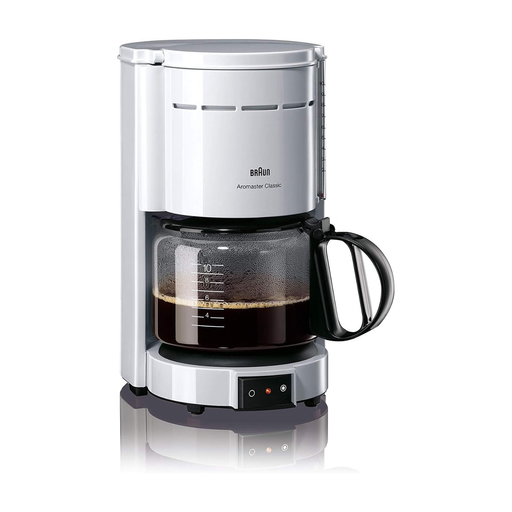
Why This Fits Their Persona: Ideal for households or offices where large quantities of coffee are needed reliably and without fuss. It focuses on the core function: brewing good filter coffee.
Avoids the hidden cost trap, as you can use any ground coffee you like. It deliberately omits complex extra features that are rarely used.
According to Braun, the OptiBrew system ensures an optimised ratio of temperature, brewing time, and extraction. The drip-stop function and dishwasher-safe parts simplify handling and cleaning.
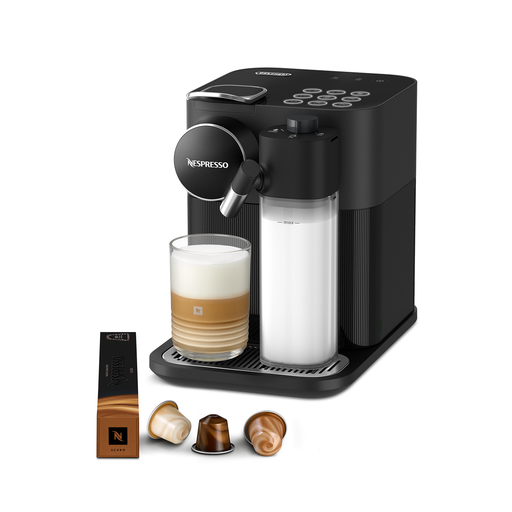
Why This Fits Their Persona: Perfect for users who want to enjoy a variety of coffee specialities, including cappuccino and latte macchiato, at the touch of a button, without getting into the details of preparation.
The one-touch milk system is designed for simple operation. Cleaning is made easier by a semi-automatic rinsing system and dishwasher-safe parts of the milk container, which defuses the hygiene trap.
Offers a wide selection of milk-based drinks (Cappuccino, Latte Macchiato, Flat White) at the touch of a button. The high pump pressure of 19 bar is a technical prerequisite for preparing espresso-based beverages.
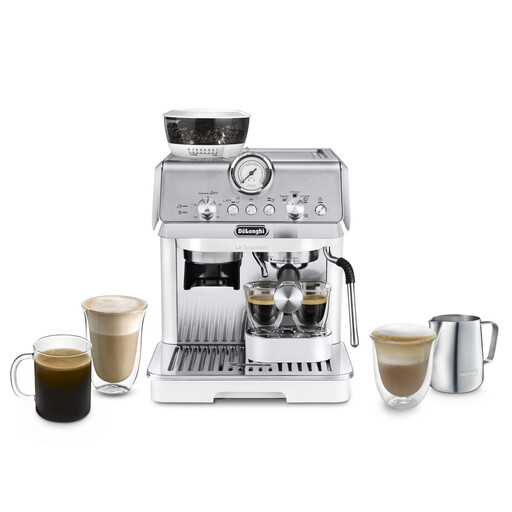
Why This Fits Their Persona: Designed for coffee lovers who want to take control of the brewing process. It provides the tools and control to learn and perfect the craft of espresso making.
Instead of fully automatic variety, this model focuses on manual control. It avoids the trap of superfluous functions and concentrates on the essential parameters for high-quality espresso and milk foam.
An integrated grinder with 8 grind settings, 3 temperature levels, and a manual My LatteArt steam wand offer precise adjustment options. The included barista kit helps you get started.
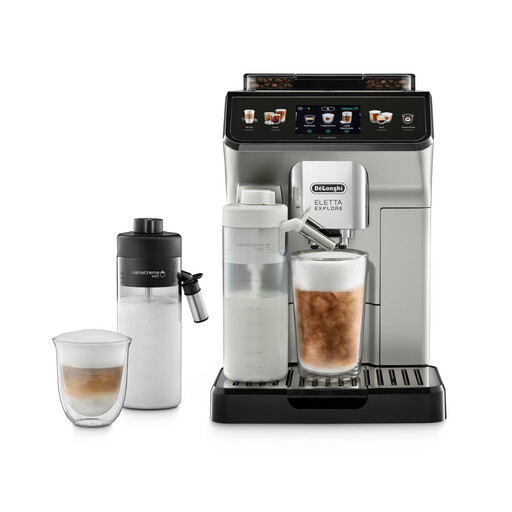
Why This Fits Their Persona: This bean-to-cup machine effortlessly caters to the diverse preferences of a family or a small office team. It offers an enormous variety of drinks, including cold specialities, with simple operation.
Despite its wide range of functions, operation remains intuitive thanks to the 3.5-inch TFT colour display. Automatic cleaning and descaling programs, as well as dishwasher-safe parts, minimise maintenance and prevent the hygiene trap.
The LatteCrema Hot & Cool system for hot and cold milk drinks is a unique selling point. Large containers for water (1.8 L) and beans (300 g) reduce the need for constant refilling in daily use.
We've compiled a complete, up-to-date list of products that fully meet these strict selection criteria and rigorous safety standards.
The frequency depends on the water hardness in your area and your usage. As a rule of thumb, descale every two to three months. Many modern bean-to-cup and capsule machines have an integrated indicator that automatically reminds you when descaling is necessary. Using water filters can extend the intervals.
A very fine grind is required to prepare a true espresso. This is the only way for the water to be pressed through the coffee grounds slowly and with sufficient pressure to extract the desired aromas and a dense crema. If the grind is too coarse, the water runs through too quickly, and the espresso becomes watery and under-extracted.
Not necessarily. The price often correlates with the number of features, the quality of materials, and the brand. An expensive portafilter machine from Sage is an excellent choice for an enthusiast, but it's overkill for someone who just wants a quick cup of coffee. A solid filter coffee machine from Braun can be a better and more economical solution for its purpose than a cheap bean-to-cup machine. The right machine is the one that meets your personal requirements for taste, convenience, and budget.