
Lieferung heute & morgen

Qualitätsgarantie

Willkommens-Angebote freischalten: KOSTENLOSE Lieferung | Bis zu 80 % RABATT | Kostenlose 30-Tage-JoyPlus-Testphase
App herunterladen
Purchasing a new coffee machine is a decision that significantly shapes the start of your day. The market offers a dizzying array of models, from simple capsule machines to complex bean-to-cup systems. However, marketing claims and technical specifications can easily be misleading. Before you buy a coffee machine, it's helpful to know the most common pitfalls to make an informed choice that fits your needs and budget.
Manufacturers often advertise features that are less relevant in practice than they seem. Three points in particular frequently lead to post-purchase disappointment.
To find the right coffee machine, you should match your personal preferences with the technical features of the appliances. Three core aspects are crucial.
In a bean-to-cup machine, the grinder is integrated. Conical burr grinders made of ceramic or stainless steel are common. Ceramic grinders operate more quietly and heat up less, which preserves the aroma. Stainless steel grinders are considered more robust. A crucial criterion for hygiene is a removable brew group. Only this allows it to be thoroughly cleaned under running water.
If you enjoy milk-based drinks like cappuccino or latte macchiato, a coffee machine with a milk frother is essential.
Based on these objective criteria, we have identified some models that suit different user profiles.
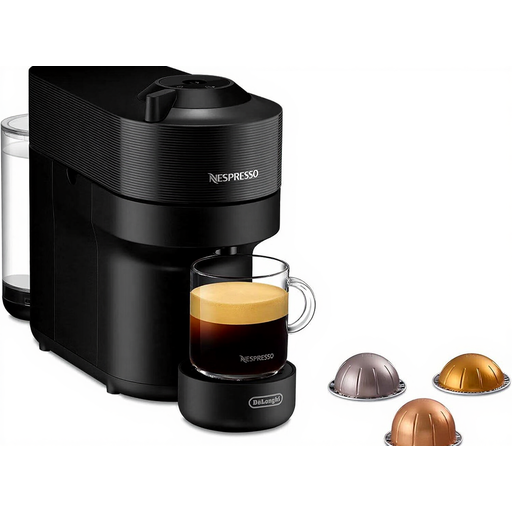
Why this model is a great fit: Ideal for users who want to quickly prepare a coffee of consistent quality in the morning or between tasks, without any fuss. The compact design also fits into small kitchens, and operation is reduced to a single button press.
The machine uses barcode recognition on the capsules to automatically optimise brewing parameters like water volume and temperature. This ensures a great result that doesn't depend on an abstract pressure value. According to the manufacturer Nespresso, the aluminium capsules can be recycled via local collection systems, addressing concerns about running costs and waste.
Prepares four different cup sizes at the touch of a button. Short 30-second heat-up time. Compact dimensions (136 x 250 mm).
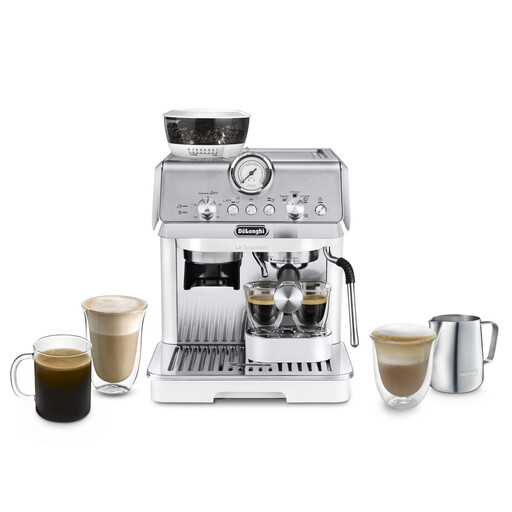
Why this model is a great fit: This portafilter machine offers ambitious beginners a complete package to learn the art of espresso making. It puts control over the crucial variables in the user's hands, turning coffee preparation into an experience.
Instead of advertising high pump pressure, this model focuses on the factors relevant to the result: adjustable grind size, three temperature settings, and a pressure gauge to monitor extraction. The included barista kit supports a clean and precise workflow.
Integrated grinder with 8 settings. Manual "My LatteArt" steam wand for fine microfoam. Comprehensive accessories (tamper, tamping mat, milk jug) included.
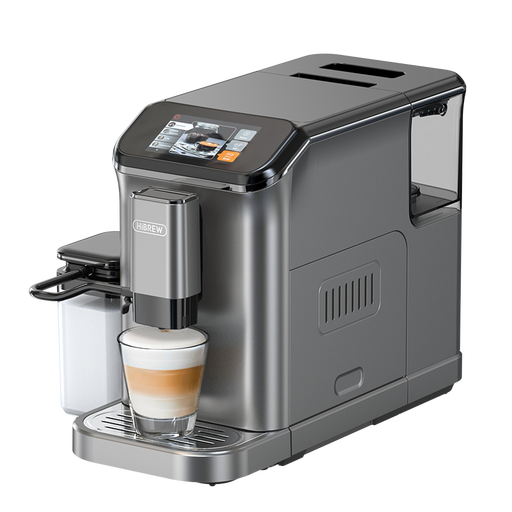
Why this model is a great fit: This bean-to-cup machine combines the freshness of freshly ground beans with the convenience of one-touch operation for six different coffee drinks. It is ideal for households where different coffee preferences need to be met quickly.
The model addresses the cleaning effort with a smart cleaning system controlled via the touch display, simplifying maintenance. The dual boiler system is a tangible performance advantage, enabling simultaneous preparation of coffee and milk foam—a practical benefit in daily use.
Dual boiler heating system. Intuitive 4.3-inch colour touch display. Integrated stainless steel conical burr grinder with 15 adjustable settings.
We have compiled a selection of machines that meet objective criteria for performance and usability. Find more models here that fit your requirements.
The frequency of descaling depends on the water hardness in your area and how often you use the machine. Most modern coffee machines have an automatic indicator that reminds you. As a general guideline, an interval of one to three months is recommended. Always use the descaling agents recommended by the manufacturer for the process to avoid damaging the machine's pipes and seals.
Although many manufacturers advertise a pump pressure of 15 bars or more, a pressure of around 9 bars is needed at the coffee grounds for optimal espresso extraction. A high value in the technical data is therefore not a standalone quality feature. It is more important that the machine is able to maintain this pressure consistently throughout the entire brewing process.
In principle, yes, but it is advisable to avoid heavily oiled or caramelised beans. The oil and sugar can clog the grinder and the brew group, leading to malfunctions in the long run. Medium-roasted beans with a dry surface are generally a safe choice for most bean-to-cup machines.