
Lieferung heute & morgen

Qualitätsgarantie

Willkommens-Angebote freischalten: KOSTENLOSE Lieferung | Bis zu 80 % RABATT | Kostenlose 30-Tage-JoyPlus-Testphase
App herunterladen
The desire for café-quality coffee in the comfort of your own home leads many to search for the ideal coffee machine. A coffee machine with a grinder and milk frother promises the ultimate combination of freshness, convenience, and versatility. However, the market is flooded with marketing promises and technical specs that often confuse more than they clarify. Before you make a decision, it's crucial to understand the common pitfalls that can lead to a poor purchase.
As your Joybuy Product Recommendation Officer, I'm here to help you navigate these hurdles and make an informed choice.
To find the right machine for your needs, you should understand three core components. These significantly determine the quality of your coffee and the ease of use.
The quality of the grinder is crucial. There are two main types found in home machines:
More important than the type is the number of grind settings. A good barista coffee machine for home use should offer at least 25 settings to allow for fine adjustments from espresso to coarser grinds for other coffee types.
The heating system affects how quickly the machine is ready to use and how stable the water temperature remains during the brewing process.
There are two basic approaches here, relevant for a coffee machine for latte macchiato:
Based on these criteria, we have identified a few models suitable for different needs and preferences.

Why This Fits Their Persona: Ideal for users seeking maximum versatility without compromise. This 3-in-1 coffee machine prepares not only espresso and cappuccino but also filter coffee and even cold brew.
The integrated conical burr grinder offers 25 grind settings, thus avoiding the pitfall of an inadequate grinder. The milk frother has four presets, including cold milk foam.
The Barista Assist technology with an integrated scale and automatic presets supports the user during preparation. The ability to replace a cold brew coffee machine is a unique selling point.
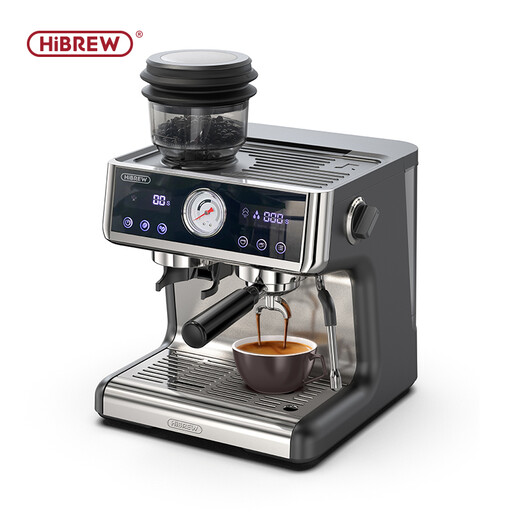
Why This Fits Their Persona: For coffee lovers who celebrate the process and desire maximum control. This machine resembles a professional portafilter machine for home use and offers features for demanding users.
The dual boiler system ensures a stable temperature for simultaneous brewing and frothing, a common weakness in cheaper devices. The conical burr grinder with 30 settings provides very fine control.
The ability to extract espresso and froth milk simultaneously saves time and improves workflow. The LCD touchscreen display allows for easy adjustment of temperature and extraction time.
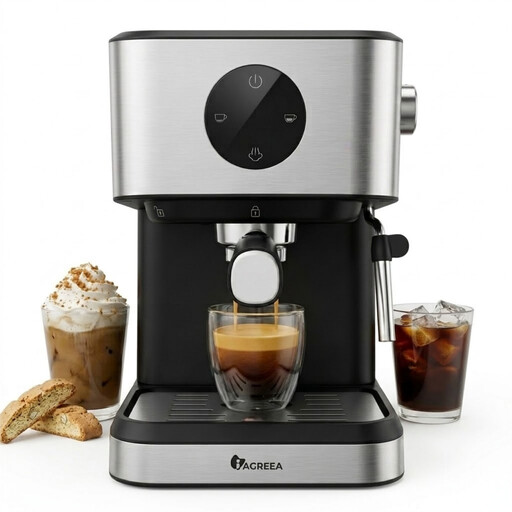
Why This Fits Their Persona: Perfect for beginners who want to learn the basics of espresso making without immediately investing in an expensive all-in-one machine. It offers the core functions at an accessible price point.
By forgoing an integrated grinder, it avoids the risk of a low-quality grinder. Users can instead choose a separate, high-quality coffee grinder that meets their standards.
The manual steam wand gives the user full control over milk texture, which is a crucial skill for aspiring baristas. The stainless steel housing provides a durable and high-quality feel.
We have compiled a complete, up-to-date list of products that fully meet these strict selection criteria and all relevant safety regulations.
1. How often does a coffee machine with a grinder need to be descaled? The frequency depends on the water hardness in your area and usage. As a rule of thumb, descaling every two to three months is recommended. Many modern machines have an indicator that reminds you. Always follow the manufacturer's instructions to ensure the longevity of the device.
2. Is a dual boiler system worth it for home use? For users who regularly and frequently prepare milk-based drinks like cappuccino or latte macchiato, a dual boiler system is a worthwhile investment. It allows for seamless operation without waiting times between espresso extraction and milk frothing. For occasional coffee drinkers or pure espresso lovers, a device with a thermoblock heating system is usually sufficient and more energy-efficient.
3. Can I use very oily coffee beans in an integrated grinder? It is advisable to avoid this. Very dark, oily roasts can clog the grinding burrs and the grinder's transport mechanism. This impairs the grind quality and can lead to blockages or damage in the long run. Medium roasts are a safer choice for most integrated grinders.