
Lieferung heute & morgen

Qualitätsgarantie

Willkommens-Angebote freischalten: KOSTENLOSE Lieferung | Bis zu 80 % RABATT | Kostenlose 30-Tage-JoyPlus-Testphase
App herunterladen
The search for the right coffee machine can quickly become overwhelming. The market is filled with devices that promise a multitude of features. However, not every investment leads to the desired coffee enjoyment. Often, costly disadvantages or technical flaws are hidden behind glossy marketing promises, only becoming apparent after the purchase.
As your Joybuy Product Recommendation Officer, I will help you identify these pitfalls. Instead of being guided by advertising slogans, we will focus on the objective criteria that truly matter. This guide will show you what to look for to make an informed decision that fits your habits and your budget.
Before we delve into the technical details, it's important to know the three most common sources of error that lead to dissatisfaction and unnecessary expenses.
To make an informed choice, you should carefully examine two core areas: the machine type, and the quality of the grinder and milk system.
Your personal preferences and daily routine determine which machine type is right for you.
Two features are crucial for the final result in the cup:
Here are some models tailored to different needs that cleverly avoid the pitfalls mentioned.
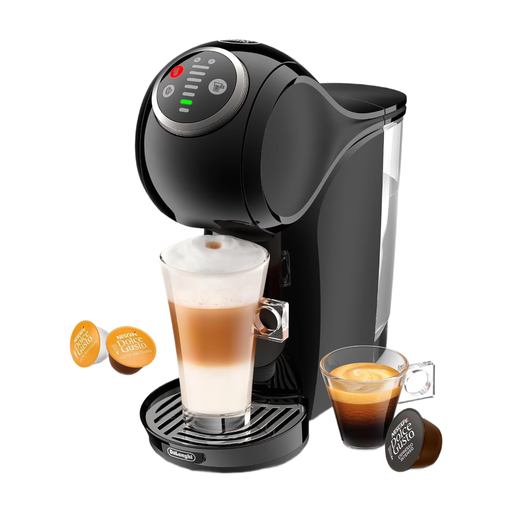
Why This Fits Their Persona: Ideal for professionals and small households in Germany who value speed, a wide variety of beverages, and minimal effort. Perfect for the first coffee of the morning or a quick cup in between, without having to deal with grind settings and cleaning.
The hermetically sealed capsule system ensures consistent quality and bypasses the complexity of grind size and pressure. The cleaning effort is minimal, which avoids the hidden maintenance trap.
Offers over 50 different hot and cold beverages. The temperature and volume are individually adjustable, including an Espresso Boost function for a more intense flavour.
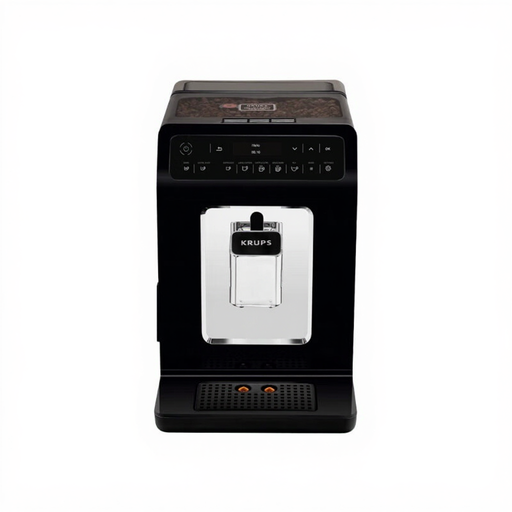
Why This Fits Their Persona: For coffee lovers who appreciate the convenience of a fully automatic machine but refuse to compromise on the quality of their espresso and milk foam. Ideal for families and anyone who enjoys serving guests a variety of coffee specialities.
According to the manufacturer, this model features a metal brew group, which sidesteps the trap of inferior plastic parts. The automatic cleaning system for the milk system significantly reduces hidden maintenance efforts.
The one-touch cappuccino function prepares two milk-based drinks simultaneously. With 11 coffee variations and 3 tea programs, the machine offers great versatility. The OLED display simplifies operation.
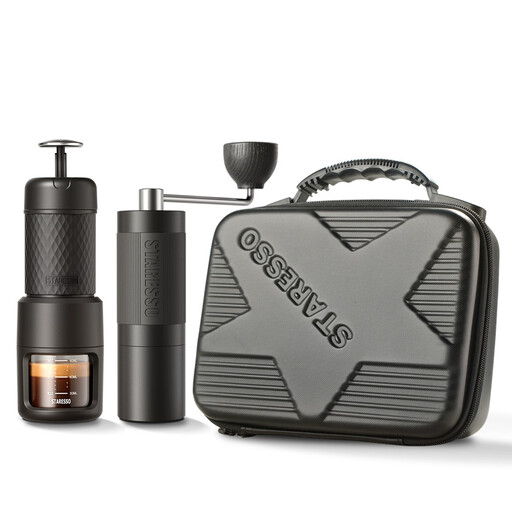
Why This Fits Their Persona: Designed for outdoor fans, campers, and travellers who don't want to miss out on a freshly prepared, high-quality espresso on the go. Its independence from electricity makes it a reliable companion.
As a purely manual system, there are no electronics that can fail. The stainless steel construction is robust and durable, avoiding the trap of low-quality materials. The user has full control over the pressure.
The set includes a manual coffee grinder with a stainless steel conical burr and 12 grind settings. It is suitable for espresso as well as cold brew and comes with a practical carrying case.
We have compiled a complete, up-to-date list of products that fully meet these strict selection criteria and German safety regulations.
The frequency of descaling depends on the water hardness in your area and how often you use it. Most modern bean-to-cup machines have an automatic indicator that reminds you. As a general rule, descale every two to three months. Always use the descaling agents recommended by the manufacturer to avoid damaging the machine's pipes and seals.
A bean-to-cup machine is designed for maximum convenience: it grinds the beans, tamps the coffee grounds, and brews the coffee at the touch of a button. A portafilter machine, on the other hand, requires manual steps. You have to grind the coffee separately, fill the portafilter, tamp it, and manually start and stop the brewing process. This gives experienced users significantly more control over the final result.
While many manufacturers advertise pump pressures of 15, 19, or even 20 bar, a constant pressure of around 9 Bar directly at the brew group is crucial for extracting an optimal espresso. A high maximum pump pressure is only useful if the machine is capable of maintaining this pressure stably and regulating it precisely throughout the entire brewing process. The consistency of the pressure is more important than the absolute peak value.