
Lieferung heute & morgen

Qualitätsgarantie

Willkommens-Angebote freischalten: KOSTENLOSE Lieferung | Bis zu 80 % RABATT | Kostenlose 30-Tage-JoyPlus-Testphase
App herunterladen
Choosing a new coffee machine can quickly become overwhelming. The market is flooded with hundreds of models, all advertising impressive features. However, not every expensive function is useful in daily life, and some supposed bargains turn out to be costly mistakes. Before you make a decision, it's crucial to understand the common pitfalls that lead to dissatisfaction.
To make an informed decision, you should focus on a few crucial technical parameters. These are the primary determinants of your coffee's quality and your machine's longevity.
The method of coffee preparation is the most fundamental choice. Each machine type has its own strengths:
A coffee machine with a grinder is a decisive quality feature for many coffee lovers. Freshly ground beans release a significantly more intense aroma than pre-ground powder. Pay attention to the type of grinder:
Easy maintenance ensures a long lifespan and consistent coffee quality. A removable water tank and a detachable brew group make daily cleaning much easier. An integrated water filter for the coffee machine reduces limescale buildup and improves the coffee's taste by filtering out chlorine and other unwanted substances from tap water. Also, check the availability of spare parts like a new carafe.
We have identified several models tailored to different needs and lifestyles, helping you to avoid the common pitfalls mentioned.
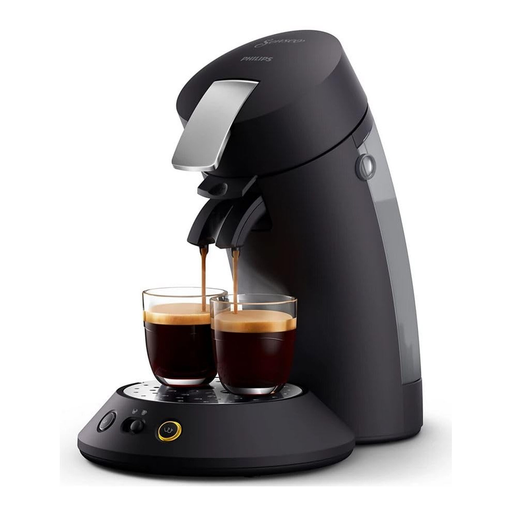
Why it's a great fit: Ideal for users who want a quick, no-fuss coffee in the morning. The operation is streamlined to the essentials and delivers reliable results for one or two cups. Perfect for small kitchens or the office.
This model sidesteps the trap of excessive features and high maintenance. Operation is intuitive, and the removable parts make cleaning easy.
The intensity selection allows you to adjust the coffee strength. The Crema Plus technology ensures a velvety layer of foam.
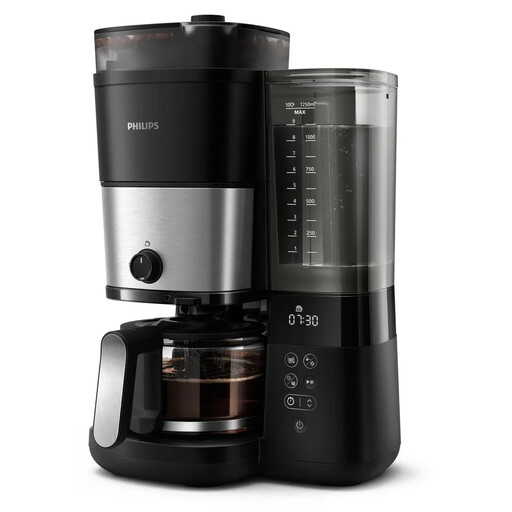
Why it's a great fit: For those who love the aroma and taste of freshly ground coffee but appreciate the convenience of a filter machine. It combines a grinder with a versatile brewing function for carafes, cups, or travel mugs.
This machine avoids the hidden costs trap of capsules by using whole beans. It bundles useful features (grinder, timer, keep-warm function) without unnecessary complexity.
The integrated conical burr grinder and Smart Dosing technology ensure an optimal coffee-to-water ratio and maximum aroma.
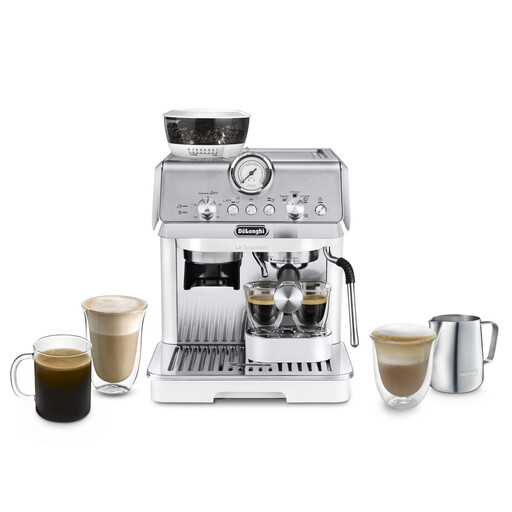
Why it's a great fit: For coffee lovers who want to control the entire process, from bean to cappuccino. This machine provides the necessary tools and settings for an authentic espresso experience.
Here, complexity isn't a pitfall but a desired feature. The included Barista Kit (tamper, dosing funnel, etc.) lowers the entry barrier and prevents additional spending on necessary coffee accessories.
Eight grind settings, three temperature levels, and the My LatteArt system for fine milk foam offer a high degree of control for creating personalised coffee drinks.
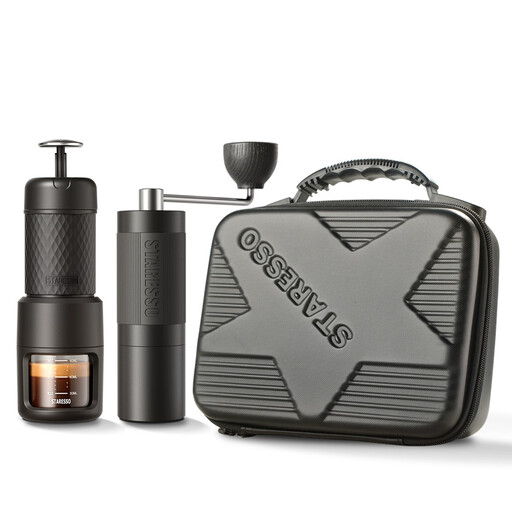
Why it's a great fit: For outdoor enthusiasts, campers, or travellers who don't want to miss out on freshly made espresso on the go. This set is compact, requires no electricity, and even includes a manual coffee grinder.
This portable coffee machine is a highly specialised product that serves one exact purpose. It avoids the need to buy a bulky home machine for mobile use and is independent of electricity or capsule systems.
The set is completely manual and includes a high-quality stainless steel grinder with 12 grind settings for maximum freshness and flexibility on the move.
We have compiled a complete, up-to-date list of products that fully meet these strict selection criteria and UK safety regulations.
The frequency of descaling largely depends on the water hardness in your area and how often you use the machine. As a general guideline, it's recommended to descale the machine every two to three months. Many modern devices have an automatic indicator to remind you. Using a water filter for the coffee machine, such as the Waterdrop replacement filter for Philips models, can significantly reduce the need for descaling and extend the life of the appliance.
Many manufacturers advertise pump pressures of 15, 19, or even 20 bars. However, for the perfect espresso extraction, the crucial factor is the pressure that reaches the coffee grounds directly. The recognised standard in the professional coffee industry is around 9 bars. A pump with a higher rated power (e.g., 15 bars) ensures that this target pressure can be built up and maintained stably, even with a finer grind or firmer tamping. It's more of an indicator of the system's power reserve than a direct measure of quality.
For coffee drinkers who value maximum aroma, the answer is a clear yes. Coffee beans begin to lose their volatile aromatic compounds immediately after grinding. A coffee machine with a grinder grinds the beans right before the brewing process, resulting in a noticeably fresher and more intense taste experience. It also saves counter space, as a separate grinder is not needed. Models like the Philips HD7888/01 show that this feature can also be usefully integrated into filter coffee machines.