
Lieferung heute & morgen

Qualitätsgarantie

Willkommens-Angebote freischalten: KOSTENLOSE Lieferung | Bis zu 80 % RABATT | Kostenlose 30-Tage-JoyPlus-Testphase
App herunterladen
The search for the right coffee machine can quickly become overwhelming. The market is flooded with a multitude of models, all advertising impressive features and elegant designs. However, not every investment pays off in the long run. Many buyers only realise after a few weeks that their new appliance doesn't fit their daily routine or involves hidden maintenance.
Before you make a decision, it's helpful to understand two common pitfalls that often lead to disappointment:
This guide will help you navigate these and other pitfalls to make an informed decision based on objective criteria and your personal needs.
To find the right machine, it's crucial to understand the technical fundamentals. The following three aspects are central to the quality of your coffee and the longevity of the appliance.
The pump pressure, measured in bar, is essential for preparing espresso. It ensures that hot water is forced through the finely ground coffee powder with enough force to extract the aromas and oils, creating a rich crema.
For a coffee machine with a grinder, as found in every bean-to-cup machine, the material and design of the grinder and brew group are decisive for taste and durability.
For lovers of milk-based specialities like cappuccino or latte macchiato, the type of coffee machine with a milk frother is a central criterion.
Instead of presenting an overwhelming list, we have selected a few models that are tailored to specific user profiles.
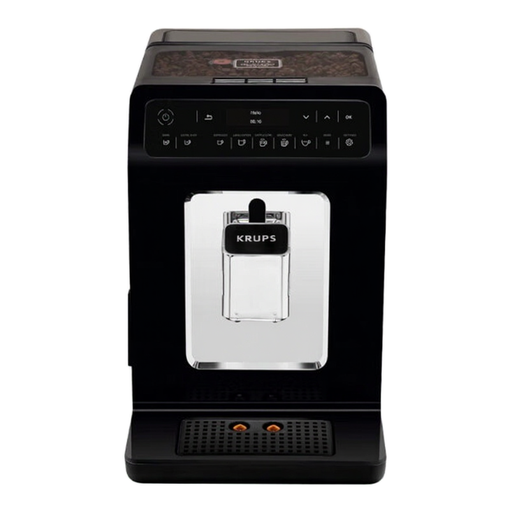
Why it's a match: Ideal for coffee lovers who want a wide variety of drinks at the touch of a button without compromising on quality. The machine offers 11 coffee specialities and even tea functions.
The closed brewing system with an Autoclean function significantly reduces manual cleaning effort, thus bypassing the hidden maintenance trap of one-touch devices.
The metal brew group promises greater durability compared to plastic variants. The one-touch cappuccino function can prepare two cups simultaneously.
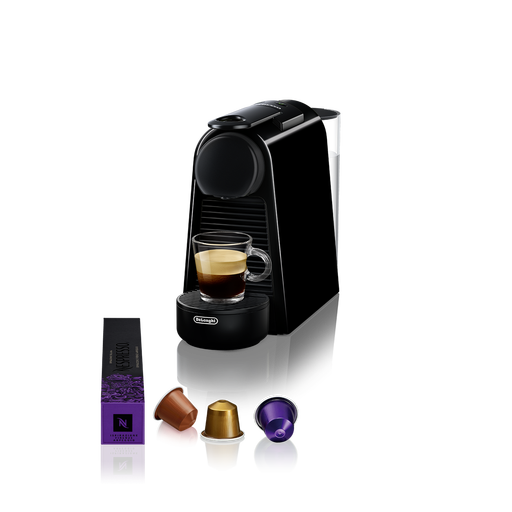
Why it's a match: Perfect for professionals, small kitchens, or anyone who wants a consistent espresso or lungo quickly and easily. The focus is on speed and a minimal footprint.
This capsule machine doesn't promise complex functions. It delivers exactly what it advertises: fast, simple coffee. The cleaning effort is minimal as there is no open milk system or grinder.
Extremely compact design and a heat-up time of just 25 seconds. The 19-bar pump pressure ensures excellent extraction of aromas from the capsules.
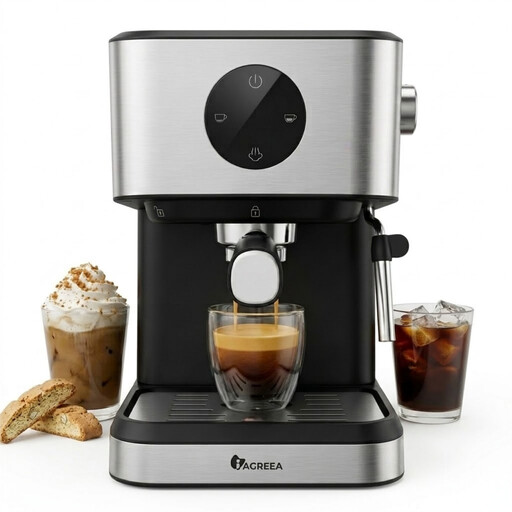
Why it's a match: For newcomers to the world of portafilter machines who want control over the brewing process and milk frothing without immediately investing in a professional-grade unit.
This device is honest in its purpose: it's a semi-automatic machine that requires manual operation. The user knows from the outset that they are responsible for achieving good results, avoiding the convenience trap.
The high 20-bar pump pressure ensures a solid extraction. The manual steam wand offers full control over milk frothing—ideal for practising latte art.
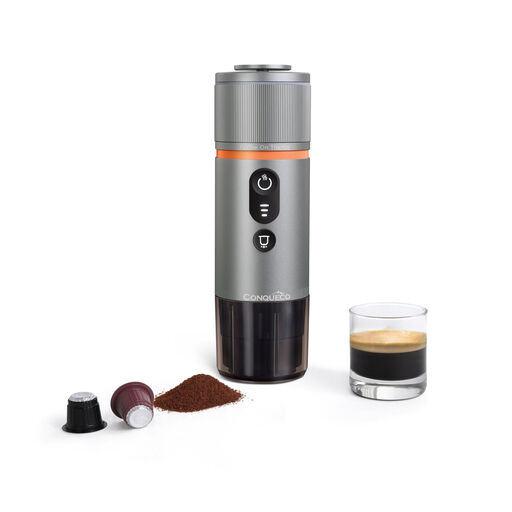
Why it's a match: For travellers, campers, and anyone who doesn't want to miss out on a freshly brewed espresso in the car or on the go. This portable coffee machine is designed for mobile use.
This device is a specialist and doesn't try to be an all-in-one solution for the home. It solves a specific problem—coffee on the move—without the compromises of a poorly designed "compact" home appliance.
Operation via the 12V car socket and the integrated battery allow for self-sufficient coffee preparation. The rapid heating function delivers ready-to-drink espresso in minutes.
We've compiled a complete, up-to-date list of products that fully meet these strict selection criteria and safety standards.
The frequency of descaling depends on the water hardness in your area and how often you use the machine. Most modern coffee machines have a built-in reminder function. As a rule of thumb, descaling every two to three months is recommended. Limescale build-up can impair heating performance, leading to lukewarm coffee, and in the worst-case scenario, clog the pipes and damage the appliance.
The pump pressure indicates the maximum force with which the pump can push water through the coffee grounds. For espresso extraction, about 9 bar at the brew head itself is optimal. A higher maximum pump pressure (e.g., 19 bar) ensures that this optimal pressure can be achieved even with very finely ground and firmly tamped coffee. It serves as a performance reserve and is an indicator of a powerful pump.
That depends on your priorities.