
Lieferung heute & morgen

Qualitätsgarantie

Willkommens-Angebote freischalten: KOSTENLOSE Lieferung | Bis zu 80 % RABATT | Kostenlose 30-Tage-JoyPlus-Testphase
App herunterladen
Finding the right coffee machine can quickly become overwhelming. The market is saturated with hundreds of models, each advertising a long list of features and technical specs. However, not every advertised feature is relevant for daily use or worth the extra cost. Many buyers only realise after a few months that their new machine is difficult to clean or that its expensive extra features go unused. This guide will help you identify the essential criteria and avoid common purchasing pitfalls.
Before we dive into the technical details, it's important to see through the most common marketing promises that often lead to the wrong choice.
To make an informed decision, you should focus on the core components that directly impact coffee quality and user-friendliness.
The first question should be: How do you prefer to prepare your coffee? Each machine type has specific pros and cons.
For a coffee machine with a grinder, the quality of the grinder is crucial. A conical or flat burr grinder made of steel or ceramic ensures a uniform grind, leading to optimal flavour extraction. Equally important is the brew group, especially in a fully automatic machine. A removable brew group is a significant advantage, as it can be easily rinsed under running water. This prevents mould growth and ensures a pure coffee taste in the long run.
For lovers of cappuccino or latte macchiato, the milk system is a key criterion.
Instead of presenting an overwhelming list, we have selected models that meet specific needs and avoid common purchasing pitfalls.
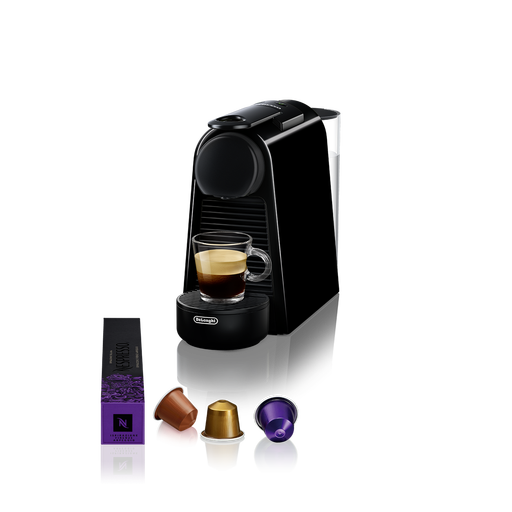
Why it's a good fit: Ideal for small kitchens or users who want a quick, no-fuss espresso or lungo. Operation is reduced to two buttons and is completely intuitive.
This model avoids the hidden maintenance trap. The sealed capsule system requires no brew group cleaning. The capsule container and drip tray are easy to remove and rinse.
Its ultra-compact design (only 11 cm wide) and rapid 25-second heat-up time make it an extremely space- and time-saving solution for daily use.
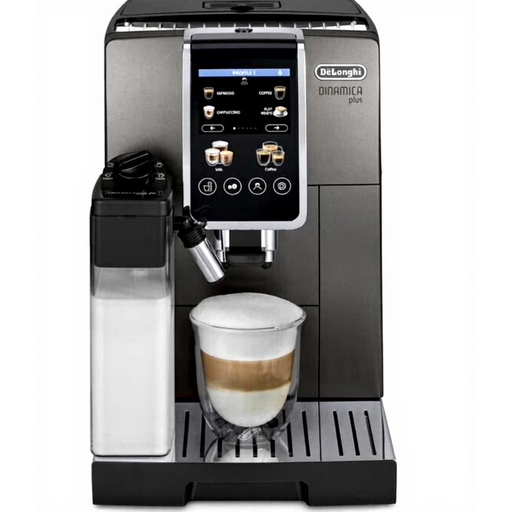
Why it's a good fit: For coffee lovers who want variety from fresh beans and high-quality milk foam at the touch of a button, without sacrificing customisation options.
This model sidesteps the feature overload trap by combining a large selection of recipes (24) with a smart user interface and up to 4 user profiles. This keeps personal favourite drinks readily accessible.
The LatteCrema milk system automatically produces fine-pored, creamy milk foam and features an integrated, automatic cleaning function that minimises maintenance for milk-based drinks.
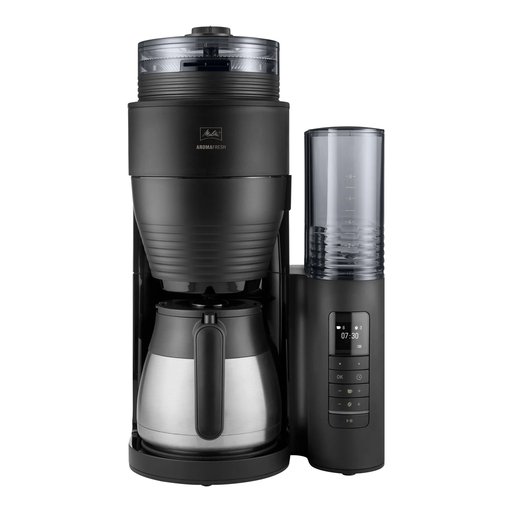
Why it's a good fit: Perfect for households or offices where several cups of fresh coffee are needed regularly. It combines the convenience of a drip coffee maker with the aroma of freshly ground beans.
This model avoids the pitfall of having to choose between fresh beans and preparing larger quantities. The integrated grinder eliminates the need to buy a separate coffee mill.
The thermal carafe keeps coffee hot for hours without a heating plate affecting the aroma. This saves energy and preserves the flavour, making it ideal for a long workday.
We have compiled a complete, up-to-date list of products that fully meet these strict selection criteria.
The frequency depends on the water hardness in your area and how often you use it. Most modern automatic machines have a built-in indicator that reminds you when to descale. As a general guideline, it's recommended to descale the machine every one to three months to extend its lifespan and ensure coffee quality.
Pump pressure indicates the force with which water is pushed through the coffee grounds. To brew a true espresso, about 9 bars of pressure are ideal right at the brew head. Both 15- and 19-bar pumps can easily achieve this target pressure. Therefore, a higher number is not an automatic indicator of better coffee. More important are the consistency of the pressure and the temperature during the brewing process.
For coffee drinkers who value fresh aroma and convenience, a fully automatic machine is a worthwhile investment. Grinding the beans immediately before brewing releases significantly more flavour than using pre-ground powder. Although the initial cost is higher, it eliminates the expense of a separate coffee grinder, and the entire bean-to-cup process is reduced to a single button press.