
Lieferung heute & morgen

Qualitätsgarantie

Willkommens-Angebote freischalten: KOSTENLOSE Lieferung | Bis zu 80 % RABATT | Kostenlose 30-Tage-JoyPlus-Testphase
App herunterladen
For commuters, travellers, and city dwellers, a compact umbrella is an essential accessory offering protection from the elements. Selecting the right model is based on an analysis of technical specifications such as material, weight, packed size, and protective features. A modern umbrella no longer just provides shelter from rain; with special coatings, it also functions as an effective sun umbrella. Therefore, the decision for a model should be based on a balance of material quality, construction, and its specific intended use.
The performance of a compact umbrella is determined by the combination of its canopy, frame construction, and additional features. An objective evaluation of these parameters is essential for making an informed purchasing decision.
The durability and functionality of an umbrella depend significantly on the materials used.
Canopy: High-quality canopy fabrics, such as polyester fibres with a density of 20D or 30D, offer high tear resistance at a low weight. A crucial component is the coating. The L.R.C. coating (Light-Blocking, Reflective, Cooling) is a technology that, according to the manufacturer, serves to block UV radiation and lower the perceived temperature under the umbrella. At the same time, a water-repellent finish ensures that raindrops bead off and the umbrella dries quickly.
Frame: The frame is the backbone of the umbrella and is responsible for its stability. A fibreglass-aluminium alloy offers an excellent balance of flexibility and strength, making the umbrella resistant to gusts of wind. For models where extremely low weight is a priority, a carbon fibre-aluminium alloy is often used. Carbon fibre is known for its high tensile strength at minimal weight, which allows for a particularly light yet sturdy umbrella.
An umbrella with UV protection offers a dual benefit. The protection factor is specified as UPF (Ultraviolet Protection Factor). A value of UPF 50+ means that, according to the standard, the fabric blocks more than 99% of UV radiation. Some models, according to the manufacturer, even offer a UPF value of over 2000, which corresponds to blocking over 99.9% of UV rays. This makes the compact umbrella a year-round companion that protects against both precipitation and intense sunlight.
A windproof compact umbrella is characterised by a flexible and robust construction. The frame, made of fibreglass or carbon fibre, can bend in strong winds without breaking and then returns to its original shape. Some models feature a double-layer canopy. This design promotes air circulation, which reduces heat build-up under the umbrella and simultaneously increases stability in the wind, as pressure can escape.
For daily transport and travel, weight and packed size are decisive factors. A lightweight umbrella weighing around 150 g is barely noticeable. A small umbrella with a folded length of under 20 cm fits easily into a handbag, backpack, or glove compartment. Five-fold (5-fold) models are often more compact here than three-fold (3-fold) umbrellas.
Based on the technical criteria mentioned above, we have compiled a selection of models that stand out for their specific properties.

Why We Recommend This Product The Beneunder BM525 combines an extremely compact packed size with a durable construction. With a folded length of just 19 cm and its innovative capsule case, it is optimised for portability. The frame, made of a fibreglass-aluminium alloy, and the 30D canopy with L.R.C. coating offer reliable protection from rain, wind, and sun.
Pros:
Who It's For: This model is ideal for commuters and travellers looking for a very small yet high-performance travel umbrella that can be stored easily and securely.
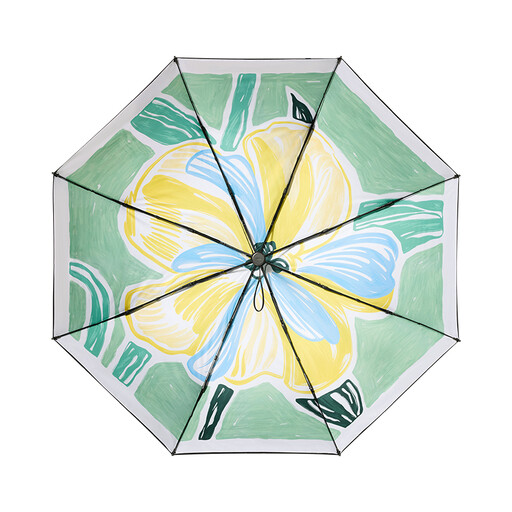
Why We Recommend This Product The Beneunder BM398 focuses on maximum protection. According to the manufacturer, it offers a UPF value of over 2000, blocking more than 99.9% of UV rays. The double-layer canopy improves heat protection, while the large 99 cm diameter ensures full body coverage.
Pros:
Who It's For: This model is suitable for individuals who prioritise maximum sun and rain protection during extended periods outdoors, whether in the city or on excursions.

Why We Recommend This Product Weighing only approx. 150 g, the Beneunder BM531 is a prime example of an ultralight pocket umbrella. This is achieved by using a carbon fibre-aluminium alloy frame and a 20D polyester fabric. Despite its low weight, it offers high UV protection with UPF 50+. The multifunctional "Air-go" carrying loop is a practical detail for when you're on the move.
Pros:
Who It's For: Perfect for minimalists and anyone looking for an everyday umbrella that fits in any bag and has a negligible weight.
If the presented models do not exactly meet your requirements, you can find a wider selection of models with different specifications in our main category.
Discover more models in the category: Outdoor Umbrella
1. What does UPF 50+ mean for an umbrella? UPF stands for "Ultraviolet Protection Factor" and is a measure of sun protection for textiles. A UPF rating of 50+ means the material allows less than 1/50th (or under 2%) of UV radiation to pass through. This corresponds to blocking over 98% of UV rays. Umbrellas with an L.R.C. coating often achieve values that block over 99.9% of UV radiation.
2. What material makes a compact umbrella windproof? Wind resistance is primarily determined by the frame. A combination of flexible yet robust materials, such as a fibreglass-aluminium alloy or a carbon fibre-aluminium alloy, is crucial for this. These materials allow the ribs to bend in gusts of wind instead of breaking.
3. How do I properly care for a coated compact umbrella? To preserve the lifespan of the water-repellent and UV-protective coating, the umbrella should be allowed to air-dry completely while open after each use. Avoid storing the wet umbrella folded in its case, as this can damage the coating and lead to material fatigue. A damp cloth is usually sufficient for cleaning.