
Lieferung heute & morgen

Qualitätsgarantie

Willkommens-Angebote freischalten: KOSTENLOSE Lieferung | Bis zu 80 % RABATT | Kostenlose 30-Tage-JoyPlus-Testphase
App herunterladen
A well-designed compartment lunch box is more than just a container. It's the solution to soggy sandwiches, mixed-up side dishes, and leaky sauces in your bag. For anyone who wants to avoid relying on canteen food or expensive snacks, a lunch box with dividers is a practical companion for work, university, or school.
This article serves as your guide. We'll introduce various models and explain the key features of a functional and durable lunch box, helping you make an informed decision that suits your needs.
The range of models is vast. To find the right box for you, three criteria are particularly important.
The material comes into direct contact with your food. High-quality plastic like polypropylene (PP) is a common choice as it's lightweight, durable, and easy to clean. Always look for the BPA-free label. This means the plastic was manufactured without the plasticizer Bisphenol A, an established standard for safe food containers and food storage boxes with compartments.
One of the most critical features is being leak-proof, especially if you're transporting soups, sauces, or salads with dressing. Creating a leak-proof lunch box requires a thoughtful design. Models with a silicone seal in the lid and a robust, multi-sided locking system offer high reliability. This type of container, often called a Bento Box, ensures that liquid and solid components stay neatly separated.
Everyday practicality determines how often you'll use your lunch box. Check if the model is microwave-safe (usually without the lid) and dishwasher-safe. This makes preparing warm meals and cleaning up significantly easier, which is a major advantage for meal prep boxes. A lunch box with cutlery integrated directly into the lid saves extra space and ensures you always have everything you need.
Based on the criteria above, we've compiled a few models that stand out for their specific features and are suited for different uses.
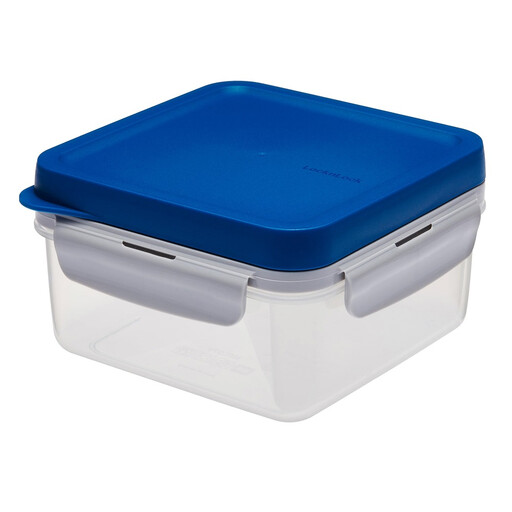
Why it stands out: This model is an all-in-one solution for meals on the go. With three removable compartments and a complete cutlery set, including a sauce container, it offers maximum flexibility for varied meals.
Advantages:
Who it's for: Ideal for professionals and students who like to take complete, home-cooked meals to work or university and value a clean separation of ingredients.
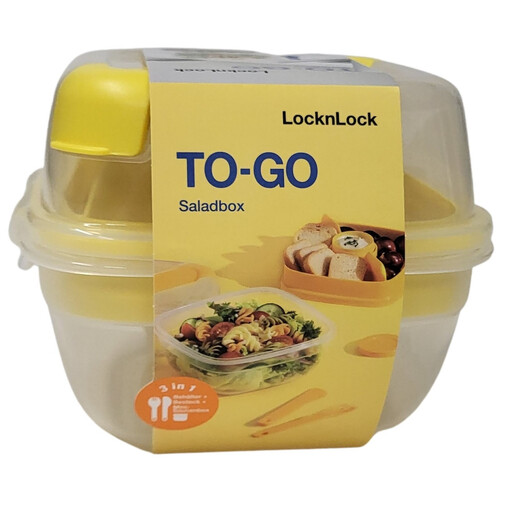
Why it stands out: This salad box to go is specifically designed for transporting fresh salads. The removable tray in the lid has three compartments to keep toppings and dressing separate and crisp until you're ready to eat.
Advantages:
Who it's for: Perfect for health-conscious individuals who want to enjoy their salad freshly prepared. The separation of the salad base, toppings, and dressing makes it the ultimate salad box to go.
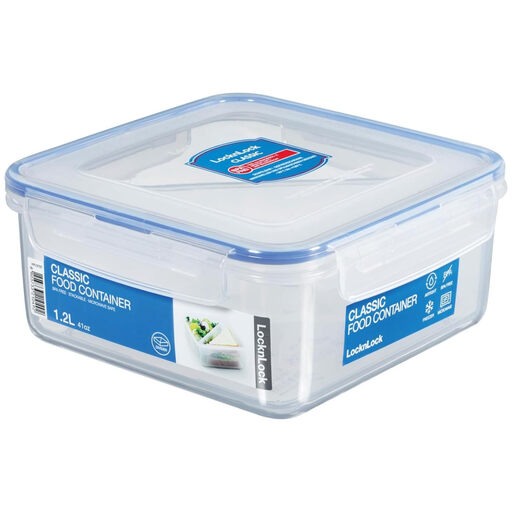
Why it stands out: This lunch box with a divider focuses on a simple yet effective function: an integrated partition keeps sandwiches, wraps, or bread separate from moist sides like fruit or vegetables.
Advantages:
Who it's for: An excellent choice for students, professionals, and anyone who prefers a classic packed lunch or sandwich and wants to keep it fresh until lunchtime.
Haven't found the right model for you yet? There is a wide variety of food storage containers with compartments to meet different needs. Discover more models in our Snap-Lock Plastic Food Containers category.
The leak-proof capability heavily depends on the locking mechanism and the quality of the seal. Models with a four-sided locking system and an integrated silicone seal in the lid generally offer a very high level of protection, even for liquids like soups or sauces. It's advisable to look for manufacturer claims like "100% airtight and watertight".
BPA-free means that the chemical Bisphenol A was not used in the manufacturing of the plastic. BPA is suspected of being able to leach from plastic into food. For products that come into contact with food, especially for children or for regular use like meal prep boxes, "BPA-free" is an important quality feature for food safety.
No, not every lunch box is suitable for the microwave. Always check the manufacturer's instructions on the product or its packaging. For microwave-safe models, the lid must typically be removed before heating, as steam can build up pressure. Also, pay attention to the specified maximum temperature (e.g., up to 120°C).