
Lieferung heute & morgen

Qualitätsgarantie

Willkommens-Angebote freischalten: KOSTENLOSE Lieferung | Bis zu 80 % RABATT | Kostenlose 30-Tage-JoyPlus-Testphase
App herunterladen
Damaged, dry, or brittle hair is a common problem. Heat styling, chemical treatments, and environmental factors can weaken the hair's structure, leaving it looking dull and fragile. However, when searching for an effective conditioner for damaged hair, consumers often face an overwhelming market full of marketing promises. Before you make a purchase, it's crucial to understand the most common pitfalls that can lead to unsatisfying results.
Common Pitfalls When Buying Repair Conditioners:
To make an informed decision, you should focus on objective criteria. The following parameters will help you evaluate a product's suitability for your individual needs.
The effectiveness of a repair conditioner depends on the type and concentration of its active ingredients. Look for formulas where proven ingredients are listed high up on the INCI list.
The application method is crucial for your hair care routine and the final result. There are two main types:
Instead of making a one-size-fits-all recommendation, we have selected products for specific user profiles and their needs.
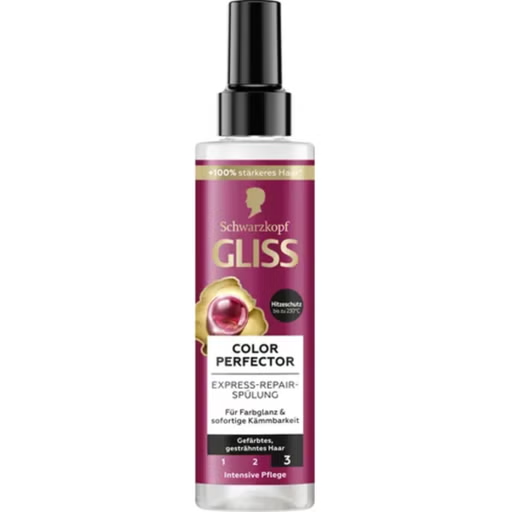
Why it's a great fit: For those who regularly use a hairdryer, straightener, or curling iron and have little time for intensive treatments, a quick and protective solution is essential. This spray is simply spritzed onto the hair and not rinsed out, saving time and providing instant detangling.
This product is a clearly defined leave-in conditioner, not a confusing all-in-one product. Its purpose is straightforward: quick care and protection.
According to the manufacturer, it offers heat protection up to 230°C and is specially formulated for colour-treated hair to protect the colour.
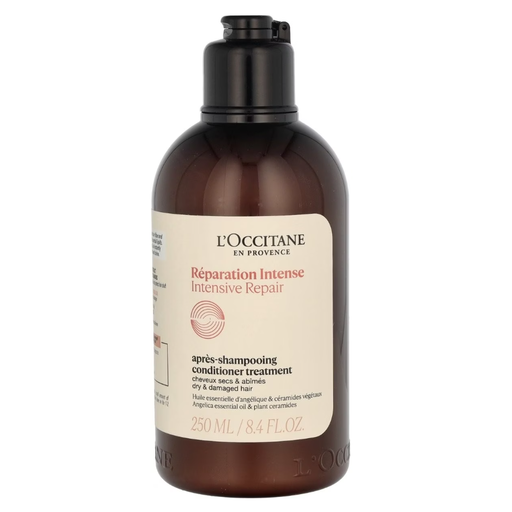
Why it's a great fit: Users who value high-quality, plant-based ingredients and want to avoid heavy residues will find this to be an excellent option. The formula aims for deep repair without the use of silicones.
This product avoids the silicone trap as it is explicitly silicone-free, according to the manufacturer. Its conditioning is based on plant-derived amino acids and oils that nourish the hair rather than just coating it.
Contains a combination of five essential oils and plant-based amino acids designed to strengthen hair fibres and reduce breakage.
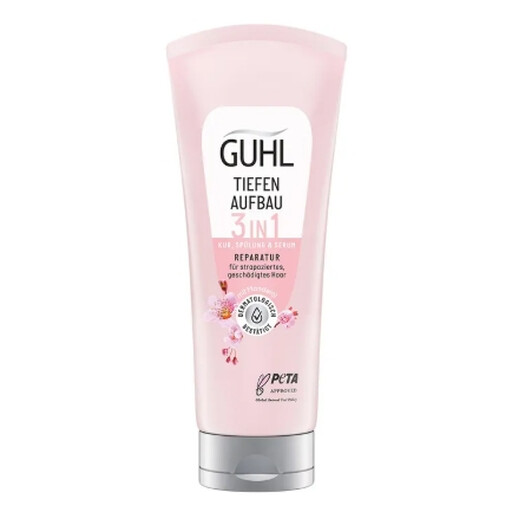
Why it's a great fit: For users seeking a flexible and intensive care solution that can be adapted to their hair's changing needs. This product offers different levels of conditioning depending on the application method, from a daily rinse-out conditioner to a weekly intensive treatment.
It solves the "confusing multi-purpose product" trap by providing clear instructions for three different uses: as a quick conditioner, a deep-acting treatment, or a nourishing serum on dry hair.
The formula contains plant-based keratin, almond oil, and cherry blossom, offering high flexibility in application to adjust the level of care as needed.
We have compiled a complete, up-to-date list of products that fully meet these strict selection criteria and UK/EU safety regulations.
For most hair types, it is recommended to use a rinse-out repair conditioner after every wash. A more intensive hair treatment or mask can be used once or twice a week in place of the conditioner, depending on the level of damage, to provide deeper, intensive hair care.
A conditioner is designed for daily use. Its main function is to smooth the hair's cuticle layer, which is roughened after shampooing, improve manageability, and provide a basic layer of conditioning. A hair mask (or treatment) has a richer formulation with a higher concentration of nourishing ingredients. It requires a longer application time to penetrate deep into the hair structure and perform intensive repairs.
Yes, products with keratin or other hydrolysed proteins can help with hair breakage. These protein building blocks are small enough to penetrate cracks in the hair's surface and temporarily fill them. This strengthens the hair structure from within and makes the hair more resistant to mechanical stress like combing and styling, which in turn reduces breakage. However, the effectiveness depends on the concentration and quality of the keratin used.