
Lieferung heute & morgen

Qualitätsgarantie

Willkommens-Angebote freischalten: KOSTENLOSE Lieferung | Bis zu 80 % RABATT | Kostenlose 30-Tage-JoyPlus-Testphase
App herunterladen
The selection on supermarket shelves or in online shops can be overwhelming: rapeseed oil, sunflower oil, olive oil, plus specialities like sesame or peanut oil. If you just want to buy cooking oil, you often face a confusing variety. Choosing the wrong oil for a hot pan or being baffled by opaque labels are common problems. This not only leads to unsatisfactory cooking results but also to wasted money.
As your Joybuy Product Recommendation Officer, I'll help you understand the key criteria to find the right oil for every purpose and avoid common pitfalls.
Before we dive into the details, let's look at three common mistakes that often lead to disappointment in the kitchen.
To avoid these mistakes, you only need a little basic knowledge about the properties of cooking oils.
The smoke point is the temperature at which an oil begins to break down and produce smoke. This is the most important criterion for choosing the right oil for your cooking method.
The production method has a direct impact on taste, heat resistance, and nutrient profile.
Consider what you primarily need the oil for.
Based on these criteria, we have put together some products for different user profiles.

Why This Fits Their Persona: Ideal for daily use in the family kitchen. This oil is a versatile helper for almost all cooking applications, from frying schnitzels to dressing a simple salad, without breaking the bank.
As a refined oil, it has a high smoke point and a neutral taste. This avoids the mistake of overheating an unsuitable oil. The 1-litre bottle is appropriately sized for regular consumption.
Universally applicable for frying, cooking, and baking. Excellent value for money for everyday needs.
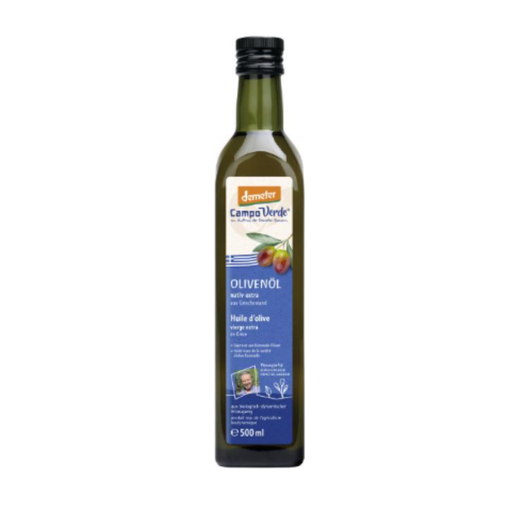
Why This Fits Their Persona: For those who value the highest quality, organic farming, and an authentic, fruity taste. Perfect for finishing salads, antipasti, or pasta dishes with a burst of flavour.
This is a genuine cold-pressed oil of "extra virgin" quality. It is intentionally purchased for cold dishes, which prevents it from being misused in a hot pan. The 0.5-litre bottle is a suitable size for a high-quality oil.
From biodynamic farming (Demeter certified). Made from Koroneiki olives, which ensures a characteristic flavour.
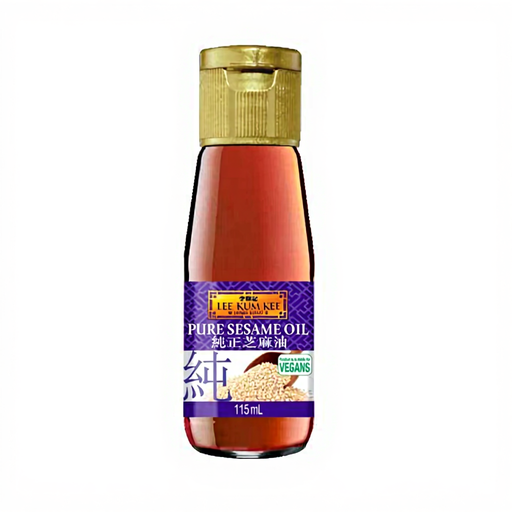
Why This Fits Their Persona: Indispensable for authentic Asian dishes. This oil is not used for frying but for seasoning soups, salads, marinades, or as part of dipping sauces to achieve the typical nutty flavour.
The small 115ml bottle is ideal for a flavouring oil that is only used by the drop. This prevents the toasted sesame oil from going rancid before it's used up. It is clearly positioned as a finishing oil.
Made from 100% pure sesame seeds for an intense, authentic aroma. Practical, small packaging unit to ensure freshness.
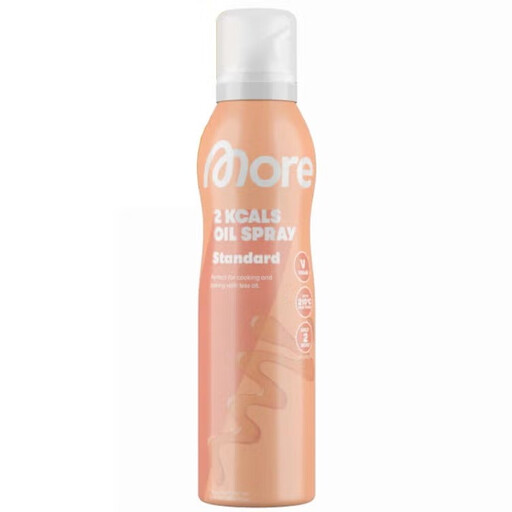
Why This Fits Their Persona: For people who actively watch their calorie and fat intake but don't want to give up fried foods. The spray allows for an ultra-thin, even coating on pans and baking tins.
This low-calorie oil spray solves the problem of over-pouring liquid oil. Instead of a spoonful of oil, which can easily contain 100 calories, only a minimal amount is needed here. It is a targeted solution for a specific need.
Extremely economical in use with only approx. 2 kcal per spray (according to the manufacturer). High smoke point up to 210°C, making it versatile for frying and grilling.
We've compiled a complete, up-to-date list of products that fully meet these strict selection criteria and quality standards.
Which oil is suitable for deep-frying? For deep-frying, you need an oil with a high smoke point, ideally above 200°C. Refined vegetable oils like rapeseed oil, sunflower oil, or special frying oils are a good choice. They are heat-stable and neutral in taste, so the natural flavour of the fried food is preserved.
How do I store cooking oils correctly? Most cooking oils should be stored in a cool, dry, and dark place, as light, heat, and oxygen accelerate the ageing process and can cause the oil to go rancid. A pantry or a closed kitchen cabinet is ideal. Sensitive, cold-pressed oils like flaxseed oil should be stored in the refrigerator after opening and used up quickly.
What does "extra virgin" mean for olive oil? "Extra virgin" is the highest quality grade for olive oil. It means that the oil was extracted directly from olives using only mechanical methods, i.e., cold-pressed or cold-extracted. It must not have any sensory defects and must meet specific chemical parameters. It is a mark of quality for a natural, flavourful oil.