
Lieferung heute & morgen

Qualitätsgarantie

Willkommens-Angebote freischalten: KOSTENLOSE Lieferung | Bis zu 80 % RABATT | Kostenlose 30-Tage-JoyPlus-Testphase
App herunterladen
A corded stick vacuum offers consistent power without the worry of a dead battery—a crucial advantage for deep cleaning. However, choosing the right model can be challenging given the vast array of features and technical specifications. This article serves as your guide. It explains the most important selection criteria and presents a curated selection of devices for various needs and budgets, empowering you to make an informed decision.
To find the right device for your needs, several technical features should be considered. The following points will help you objectively evaluate a model's performance and functionality.
A vacuum's wattage (W) only indicates the motor's power consumption, not its actual suction power at the nozzle. A more efficient indicator of high suction power is the vacuum pressure, measured in Pascals (Pa). A higher Pa value generally means a stronger ability to pick up dirt and dust. For most households, a value of 13,000 Pa or more is a good benchmark for effective cleaning.
For households with allergy sufferers or pets, the filtration system is crucial. HEPA (High-Efficiency Particulate Air) filters are capable of trapping tiny particles like pollen, dust mite droppings, and pet dander from the exhaust air. A bagless handheld vacuum with a washable HEPA filter is not only convenient but also contributes to better air hygiene. Models specifically designed as mite vacuums for allergy sufferers often combine HEPA filters with other technologies like UV light mattress cleaners.
A lightweight vacuum for pet hair and everyday dirt makes handling significantly easier. Models under 2.5 kg are particularly comfortable for cleaning stairs or removing cobwebs from ceilings. An affordable 2-in-1 vacuum can also be converted into a handheld vacuum in just a few simple steps. This flexibility is ideal for cleaning upholstery, car interiors, or hard-to-reach corners.
The following models were selected for their specific features and intended use cases. They are aimed at budget-conscious users looking for a reliable and functional cleaning solution.
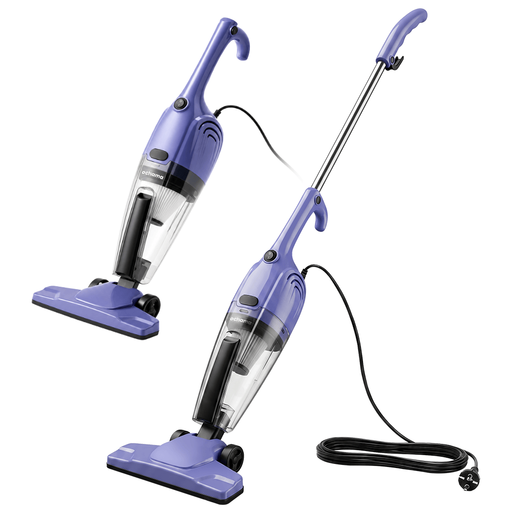
Why it stands out: This model combines a very accessible price point with essential functionality. Its 500-watt motor and lightweight design make it a practical option for quick clean-ups.
Advantages:
Who is it for? This device is a great choice for students, people in small apartments, or as a secondary vacuum for quick, in-between cleanings. It is suitable for hard floors and low-pile carpets.
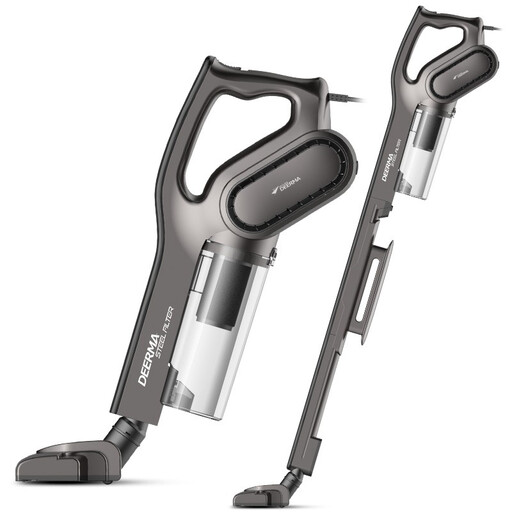
Why it stands out: The Deerma DX700S delivers solid cleaning performance with 15,000 Pa of suction power and a HEPA filtration system. Its 3-in-1 functionality with various attachments enhances its versatility.
Advantages:
Who is it for? Ideal for households with various floor types and for pet owners who need effective hair removal and good air filtration. The different attachments make it an all-rounder for the entire home.
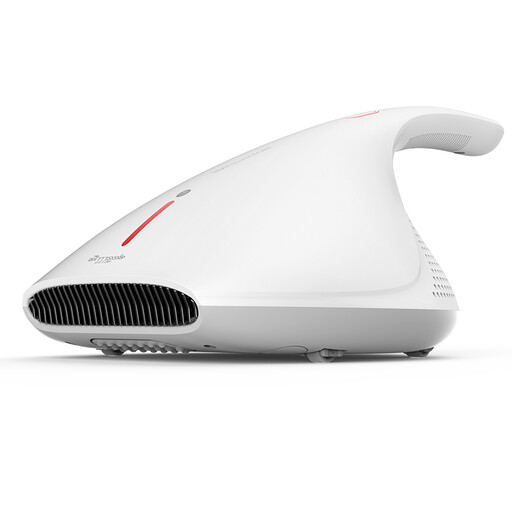
Why it stands out: This device is not a traditional floor vacuum but a specialist for the hygienic deep cleaning of mattresses, sofas, and other upholstered furniture. It combines suction with a tapping function, hot air, and UV-C light.
Advantages:
Who is it for? This device is aimed specifically at allergy sufferers and health-conscious individuals who want a thorough and hygienic cleaning of their mattresses and upholstered furniture. It is a targeted supplement to a conventional vacuum cleaner.
The models presented here cover specific use cases. If you are looking for more options or devices with different features, you can find a wider selection of flexible cleaning solutions in our [2-in-1 Cleaners] category.
Suction power, measured in Pascals (Pa), is a more direct indicator of cleaning performance than wattage, which only specifies the motor's power consumption. A device with an efficient motor and a well-designed nozzle can achieve higher suction power with lower wattage.
Yes, bagless vacuums can be suitable for allergy sufferers, provided they have a high-quality, sealed filtration system like HEPA. When emptying the dust cup, care should be taken to avoid inhaling any airborne dust. Some models are designed to make emptying as hygienic as possible.
The cleaning frequency depends on the model and usage. It is recommended to follow the manufacturer's instructions. A general rule of thumb is to check and clean the filter as needed, especially if you notice a decrease in suction power. Washable filters should be allowed to dry completely (for at least 24 hours) after cleaning before being reinserted.