
Lieferung heute & morgen

Qualitätsgarantie

Willkommens-Angebote freischalten: KOSTENLOSE Lieferung | Bis zu 80 % RABATT | Kostenlose 30-Tage-JoyPlus-Testphase
App herunterladen
Choosing the right cordless tool can make or break a project. The market is flooded with tempting offers that later prove to be impractical or expensive. As a Joybuy Product Recommendation Officer, I analyse product data daily to help you make informed decisions and avoid common purchasing traps. In this guide, I'll show you what really matters.
Many DIY enthusiasts invest in tools that don't meet their expectations. This is often due to clever marketing that distracts from the product's actual weaknesses. Pay close attention to these three points:
DIY tool can make the job a chore and prevent precise results.To avoid a bad purchase, you should focus on objective, technical specifications. These three factors are crucial for the performance and longevity of your cordless tool.
These two values determine your tool's performance.
For short, light tasks, a low-capacity battery is often sufficient. For longer projects like building a deck or renovations, a higher capacity of 4.0 Ah or more is recommended.
The type of motor has a significant impact on efficiency and lifespan.
power tool set is often worthwhile.A crucial factor for long-term satisfaction and cost-efficiency is choosing a battery ecosystem. Many manufacturers offer a wide range of tools that all run on the same battery type. Additionally, there are manufacturers like Drillpro that specifically offer tools for Makita batteries. This allows you to gradually expand your collection of workshop supplies by purchasing only the "bare tools" (without a battery and charger).
Instead of making a one-size-fits-all recommendation, we have identified products that meet specific needs and avoid common purchasing traps.
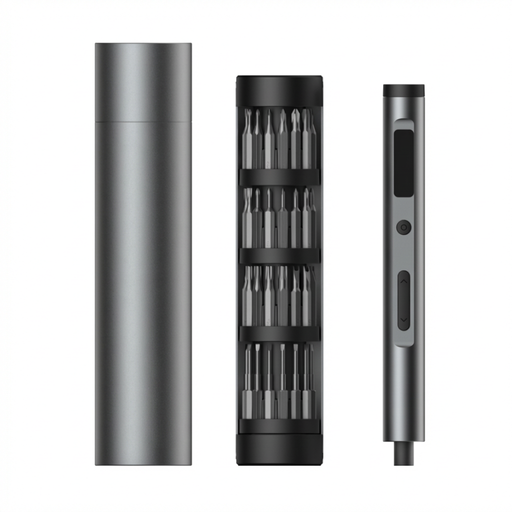
Why This Fits Their Persona: Ideal for repairing laptops, smartphones, glasses, or for model making. This precision screwdriver set provides the necessary finesse for delicate screws where a normal cordless screwdriver would be too powerful.
Avoids the "overpowered tool" trap. The adjustable electric torque of 0.1–0.3 N.m is a key feature here, not a flaw. The extensive bit set saves you from buying inferior individual parts.
Digital torque display for precise control; 60 S2 steel precision bits; compact, portable design with USB-C charging.
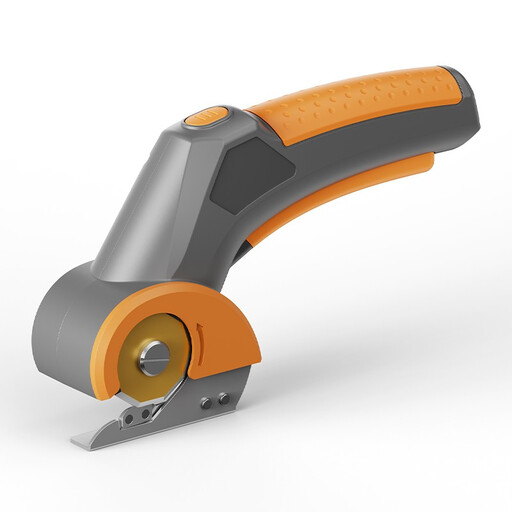
Why This Fits Their Persona: Perfect for crafting and decoration projects. This electric multi-cutter effortlessly cuts cardboard, carpet remnants, leather, felt, and plastic sheeting where regular scissors would struggle.
Escapes the "single-purpose tool" trap. Instead of multiple manual cutting tools, this device offers a versatile solution for various materials and ensures clean, fray-free cuts.
Compact, cordless design for maximum flexibility; rotating steel blade for precise cuts; ergonomic shape reduces hand fatigue.
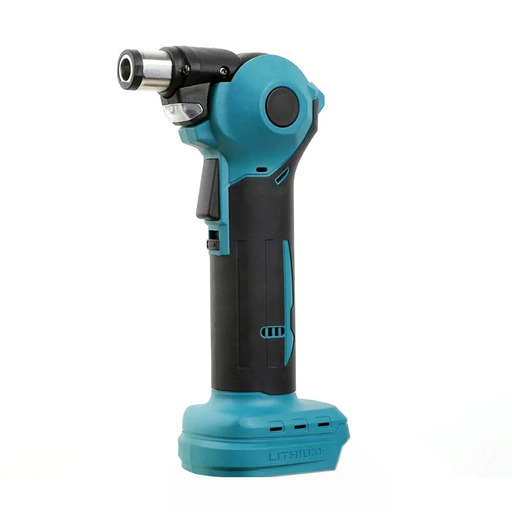
Why This Fits Their Persona: For users who already own tools for Makita batteries (18V Li-Ion) and want to affordably add a powerful rotary hammer for concrete or chiselling work to their collection.
Elegantly solves the "battery island" trap. Instead of buying an expensive complete set from another brand, this tool integrates seamlessly into an existing, widespread battery system.
High cost-efficiency by using existing batteries; offers hammer drilling and chiselling functions; ergonomic design for demanding tasks.
Beyond classic power tools, there are specialised accessories that no well-organised workshop should be without. An automotive circuit tester like the VDIAGTOOL V200 Pro is an indispensable repair tool for hobbyist car mechanics to quickly find faults in vehicle electronics. And to organise a growing collection of tools, a sturdy tool bag like the WORKPRO 14-Inch Waterproof Bag, with its sturdy PE base plate and numerous compartments, is a worthwhile investment.
For specific diagnostic tasks, especially in the automotive sector, we have curated a selection of products that meet strict selection criteria.
1. How long does a tool battery last? A battery's runtime heavily depends on its capacity (Ah) and the load. An 18V cordless drill with a 2.0 Ah battery might last for several hours on light screwdriving tasks, but only 20-30 minutes when drilling large-diameter holes in hardwood. A 4.0 Ah or 5.0 Ah battery will double that time accordingly.
2. Can I interchange batteries from different brands? Generally, no. Every major manufacturer (Bosch, Makita, DeWalt, etc.) has its own proprietary battery system. Exceptions include cross-brand alliances like the "Cordless Alliance System (CAS)" or third-party manufacturers that specifically develop tools for a particular brand's batteries, as is the case with some Drillpro tools for Makita. Always check for compatibility before purchasing.
3. What's more important: Voltage (V) or Capacity (Ah)? Neither value is decisive on its own; it depends on the application. Simply put: Voltage (V) is power, and Capacity (Ah) is endurance. For power-intensive, short tasks (e.g., loosening a stuck screw), high voltage is advantageous. For endurance-focused jobs (e.g., screwing down an entire wooden deck), high capacity is more important to avoid constantly swapping batteries.