
Lieferung heute & morgen

Qualitätsgarantie

Willkommens-Angebote freischalten: KOSTENLOSE Lieferung | Bis zu 80 % RABATT | Kostenlose 30-Tage-JoyPlus-Testphase
App herunterladen
The freedom of a cordless vacuum is undeniably convenient. No tangled cords, no searching for outlets—just grab it and go. But the market for cordless vacuums is crowded, and marketing promises often lead to disappointment. Before you make a decision, it's crucial to understand the common pitfalls that can lead to a bad purchase.
A frequent issue is unrealistic battery life claims. Manufacturers often advertise the maximum runtime in eco mode, which is usually insufficient for a thorough cleaning. The critical runtime in turbo mode is often just a fraction of that. Another problem is misleading suction power specifications. A high motor wattage doesn't automatically guarantee high cleaning performance at the nozzle. Finally, the long-term costs for filters are often overlooked. A bagless vacuum is only cost-effective to run if replacement filters are readily available and affordable.
To make an informed decision, you should focus on objective technical data rather than marketing buzzwords. Three parameters are of central importance here.
The battery life is the heart of any cordless device. Don't just look at the maximum runtime in minutes; also consider the battery capacity, measured in milliampere-hours (mAh), and the voltage (V). A higher capacity generally allows for a longer runtime. The most critical figure is the manufacturer's stated runtime on the highest power setting (turbo mode), as this is what you'll need for cleaning carpets or tackling stubborn dirt and pet hair. A good cordless stick vacuum should last at least 30-40 minutes in normal mode to clean an average-sized home without interruption.
Suction power is the measure of cleaning performance. It is often specified in Pascals (Pa) or Airwatts (AW).
A bagless vacuum is convenient, but the quality of the filter system is crucial for air hygiene. Especially for allergy sufferers or families, a vacuum with a HEPA filter (High-Efficiency Particulate Air) is an important feature. By definition, these filters can remove at least 99.95% of particles as small as 0.3 micrometres from the exhaust air. Check if the filters are washable and how often they need to be replaced. Before buying, verify the availability and cost of replacement filters to avoid unexpected running costs.
Based on these objective criteria, we have identified several models that are well-suited for different user profiles and their specific requirements.
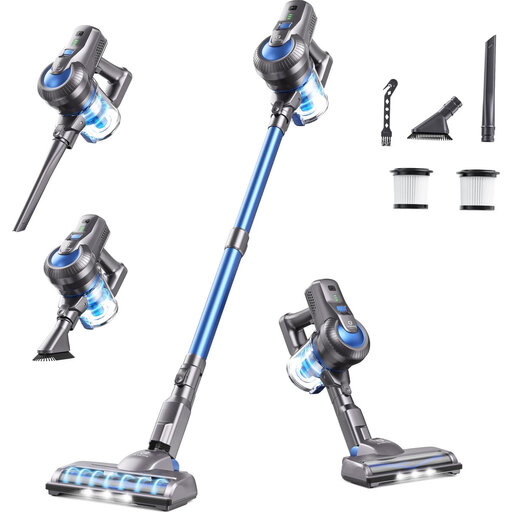
Why it's a good fit: Ideal for small to medium-sized homes and for users seeking a functional, lightweight solution for daily hard floor cleaning without a large investment.
With up to 23 kPa, it offers solid suction power that surpasses many budget models, helping you avoid buying an underpowered device.
Very lightweight vacuum (1.5 kg) with a washable 5-layer HEPA filter for low running costs.
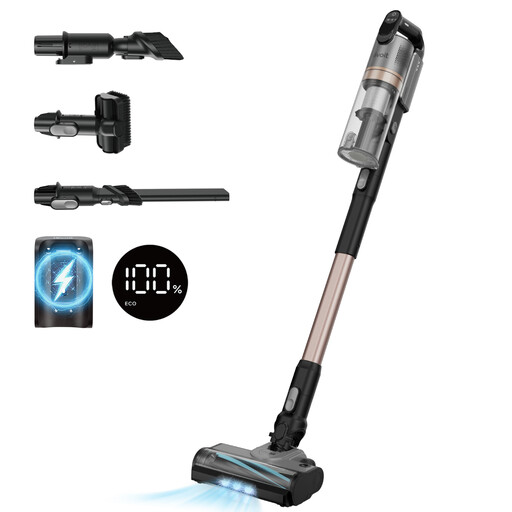
Why it's a good fit: Designed for households with demanding cleaning needs, especially those with pets. The combination of long runtime, special brush technology, and effective filtration is tailored to these requirements.
The anti-tangle brush prevents annoying hair wrap, a common frustration with standard vacuums. The 5-stage HEPA filtration system ensures clean exhaust air.
Up to 60 minutes of runtime (in eco mode) thanks to a 3000 mAh battery. According to Levoit, it filters 99.99% of particles down to 0.3 micrometres.
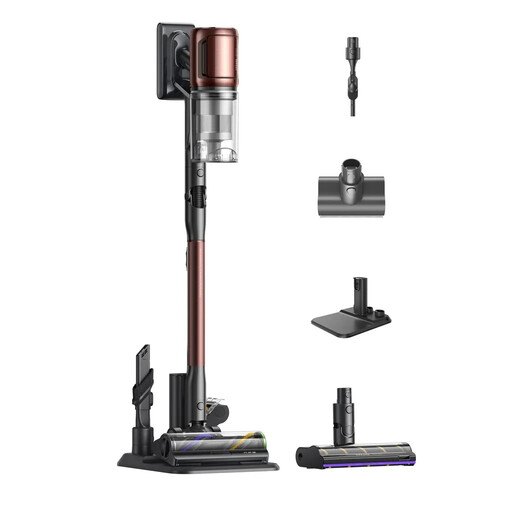
Why it's a good fit: For users who value maximum performance, innovative technology, and premium convenience, and are willing to invest in a high-end device for whole-home cleaning.
Addresses the common weaknesses of cordless vacuums with exceptionally high suction power of 330 AW (30 kPa) and a long runtime of up to 90 minutes.
Intelligent dirt detection with automatic suction adjustment, a folding wand for cleaning under furniture, and edge-cleaning with a robotic arm.
Regular maintenance of the filter system is crucial for sustained high suction performance and clean indoor air.
The longevity and performance of your device depend on proper care. Here you'll find a selection of accessories compatible with many models.
The replacement frequency depends on usage and the model. Many manufacturers recommend cleaning washable filters every few weeks and replacing them completely every 6 to 12 months. Non-washable filters must be replaced depending on the level of dirt. Refer to the manufacturer's instructions in the user manual for specific guidance.
Pascal (Pa) is the physical unit for pressure. For a vacuum cleaner, it measures the negative pressure created. A higher value in Pascals means the vacuum can generate a stronger pull to lift dirt and dust from surfaces. It is a useful indicator for comparing the raw suction strength of different models.
Yes. Modern brushless motors are compact and lightweight but can still generate very high RPMs and thus strong suction power. The weight of a vacuum is primarily determined by the battery, housing, and attachments. Therefore, a lightweight vacuum does not rule out high cleaning performance.