
Lieferung heute & morgen

Qualitätsgarantie

Willkommens-Angebote freischalten: KOSTENLOSE Lieferung | Bis zu 80 % RABATT | Kostenlose 30-Tage-JoyPlus-Testphase
App herunterladen
The idea of vacuuming and mopping hard floors in a single step is a tempting prospect for many households. A cordless wet dry vacuum promises exactly that: a significant time-saver and effortlessly clean floors. However, the market is filled with devices whose real-world performance varies dramatically. Certain design flaws and exaggerated marketing claims often lead to disappointment and unnecessary expense.
As a Joybuy Product Recommendation Officer, my job is to filter market information and provide you with objective, practical advice. This guide will show you the three most common pitfalls when buying a wet dry vacuum and which technical features you should look for to make an informed decision.
Before diving into the benefits, it's important to understand the typical weaknesses that can render a promising device useless.
To avoid the problems mentioned above, you should check three core technical parameters before buying. These are the key determinants of the effectiveness and user-friendliness of your cordless wet dry vacuum.
An indispensable feature is a strictly separated dual-tank system. One tank holds the fresh water (often with a cleaning solution), while the second tank collects the suctioned dirty water and solid debris. This is the only way to ensure that the hard floor cleaner mops with clean water on every pass. Pay attention to the tank capacity: larger tanks mean fewer interruptions for refilling or emptying, which is particularly advantageous for large areas.
A high-quality vacuum with mopping function is distinguished by its thoughtful brush design. Look for devices that explicitly advertise "borderless" or "edge-to-edge" cleaning. On these models, the brush roller extends to one or both sides of the cleaning head. This allows for seamless cleaning directly along walls and furniture, saving you from manual follow-up work.
An effective self-cleaning function is more than just a rinse cycle. Look for stations that offer a multi-stage process:
Choosing the right device depends heavily on your individual living situation and needs. Here are three models tailored to different user profiles.
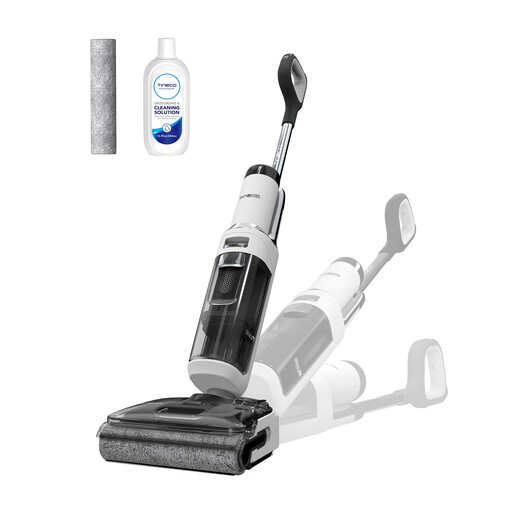
Why This Fits Their Persona: Ideal for homes with numerous sofas, cabinets, and beds. Its lay-flat design allows it to clean in places unreachable by standard wet dry vacuums, solving a common problem in furnished living spaces.
The 3-sided edge cleaning minimises the residual dirt strip. The FlashDry self-cleaning with centrifugal drying actively combats the formation of mould and odours in the brush roller.
The 180° lay-flat design enables cleaning under furniture with a low clearance of just 13 cm. The runtime is up to 40 minutes.
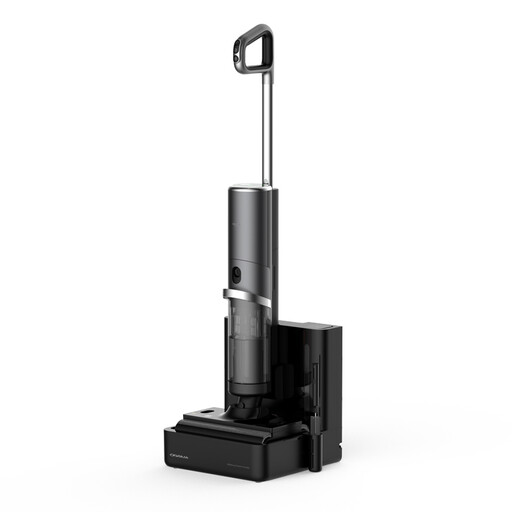
Why This Fits Their Persona: Perfect for owners of large houses or apartments who want maximum convenience and minimal manual intervention. The fully automatic station handles refilling and drying.
The base station with automatic hot air drying solves the problem of an unhygienic, wet brush. The edge-to-edge design ensures a clean finish along baseboards, bypassing the pitfall of dirty edges.
The all-in-one base station automatically refills fresh water and features an additional 5-litre fresh water tank. The runtime of up to 40 minutes is designed for large areas.
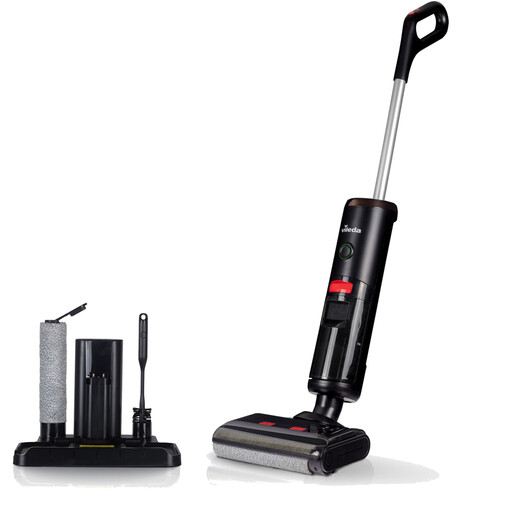
Why This Fits Their Persona: A solid choice for users who want to experience the benefits of a wet dry vacuum without investing in a premium model. It offers the essential features for effective hard floor cleaning.
The device features a clear dual-tank system (750 ml fresh water, 600 ml dirty water) that ensures you only mop with clean water. The one-touch self-cleaning rinses and dries the roller, preventing basic hygiene issues.
Offers reliable 2-in-1 wet and dry cleaning with a runtime of up to 45 minutes. The washable HEPA filter is an added benefit for air hygiene.
We have compiled a complete, real-time list of products that fully satisfy these strict selection criteria and UK safety regulations.
A: Most modern devices use washable filters (e.g., HEPA filters). It is recommended to clean the filter under running water after each use, or at least once a week. Let it air dry completely (for at least 24 hours) before reinserting it. A replacement is typically only necessary every 6 to 12 months, depending on the frequency of use and the manufacturer's specifications.
A: No. Only use the cleaning solution recommended by the manufacturer or special, low-foaming detergents designed for wet dry vacuums. Conventional floor cleaners can create too much foam, which can damage the device's sensors and hoses or leave sticky residues on the floor.
A: Most cordless wet dry vacuums are designed purely as hard floor cleaners and are not suitable for carpets or rugs. The wet brush roller can damage carpet fibres and oversaturate them. Some 3-in-1 models offer a vacuum-only mode with a separate brush for carpets, but their primary function remains the wet cleaning of hard floors like parquet, laminate, tile, or vinyl.