Families who get through cereal regularly
If several people eat the same variety on weekdays, you can choose a pack size to suit what you all get through. A large pack is less suitable if some of it is likely to sit in the cupboard for a long time.


Choose a pack size based on how many people actually eat that variety on weekdays. Then compare the sugar, ingredients and allergen information on the current pack. Classic cornflakes, unsweetened varieties and cinnamon-flavoured cereals suit different tastes, even when their packs are a similar size.
If several people eat the same variety on weekdays, you can choose a pack size to suit what you all get through. A large pack is less suitable if some of it is likely to sit in the cupboard for a long time.
If you pay attention to sugar, salt and ingredients, check the values per 100 g and the information on the specific pack, rather than relying solely on serving suggestions or claims on the front.
If not everyone likes plain cornflakes, a cinnamon variety may appeal to some of the household. Before buying a larger pack, consider whether that particular variety will be eaten regularly.
First, find out which variety the people who eat it regularly prefer, and how quickly you’ll get through a pack. When comparing recipes, the nutritional information per 100 g and the ingredients list are key.
| Criteria | What to check | Who it matters most to |
|---|---|---|
| Pack size | Compare the pack contents with how much you actually get through on weekdays, and make sure you can store it properly. | If several people eat the same cornflakes, you want enough to last without the pack sitting around for too long. For around 40% of consumers, having enough for the week is the main priority. |
| Sugar and ingredients | Compare sugar and salt per 100 g, as well as the ingredients and allergen information on the specific pack. | If you prioritise the recipe over pack size, you’ll want to know exactly what’s inside, even if you’re buying a smaller pack. Around 30% of consumers put this comparison first. |
| Taste | Before buying a larger pack, check whether the people who eat it regularly prefer plain cornflakes or a flavoured variety. | If not everyone likes the variety you choose, some of your shared supply could go to waste. For around 30% of consumers, choosing a variety they’ll eat regularly is the most important factor. |
The documented range includes 375 g, 500 g, 625 g and 1 kg packs of different varieties. A larger pack only makes sense if your family regularly gets through that particular variety.
Estimate how much you eat at your usual weekday breakfasts, then choose a pack size to match.
Nestlé states that Cini Minis contain 33% wholegrain, but also lists 24 g of sugar per 100 g. The wholegrain content doesn’t tell you how much sugar the cereal contains.
For the variety you want, check the nutritional information per 100 g and the ingredients list on the pack.
Depending on the product, ingredients may include barley or wheat, for example; other allergens may be present in traces. Information can also vary between products in the same familiar range.
If you have an allergy, check the current pack and distinguish between ingredients and possible traces.
Serving sizes can vary between products, so two per-serving values don’t necessarily relate to the same amount of cereal.
First compare the nutritional information per 100 g, then take into account how much you usually put in your breakfast bowl.
Classic Corn Flakes for households looking for a plain cornflake variety. Alongside the 500 g pack, a 1 kg pack is also listed by German retailers.
Cinnamon-flavoured cereal for households that enjoy this taste. REWE lists a 625 g multipack in its online range.
The unsweetened cornflakes are a smaller option for households that want to choose the recipe before deciding how much to stock up on.
EDEKA's own-brand classic cornflakes, available in a documented 500 g pack.
REWE's online range lists 375 g packs of unsweetened cornflakes.
This selection includes classic and flavoured cornflakes, as well as smaller packs of unsweetened cornflakes and cinnamon cereal. Compare the pack size with how much you’ll get through, and check the information for the variety you want.
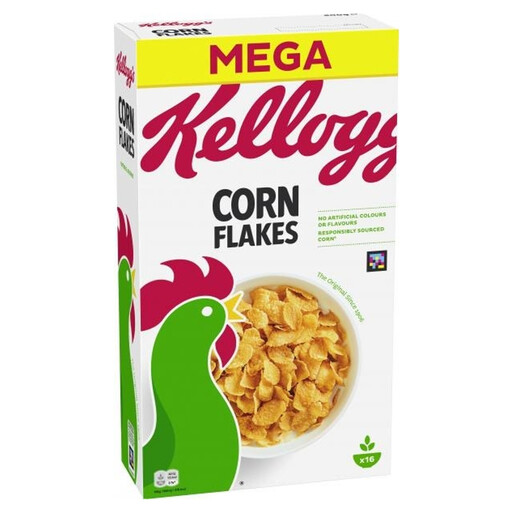 No image available
For households that regularly eat classic cornflakes and find a 500 g pack suits how much they get through.
When choosing, compare the ingredients and allergen information on the current pack.
 No image available
The 300 g pack may suit you if you need less, or would like to try a smaller amount of the unsweetened variety first.
Check the latest ingredients and may-contain information before buying.
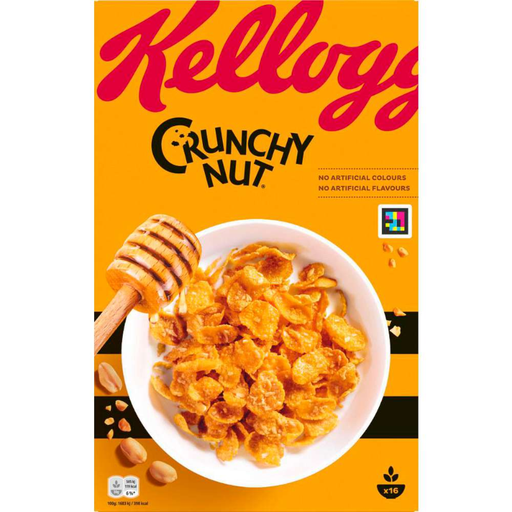 No image available
This 500 g variety is a good choice to share only if everyone who’ll be eating it regularly enjoys its sweet, nutty taste.
Check the sugar per 100 g, along with the ingredients and allergen information on the current pack.
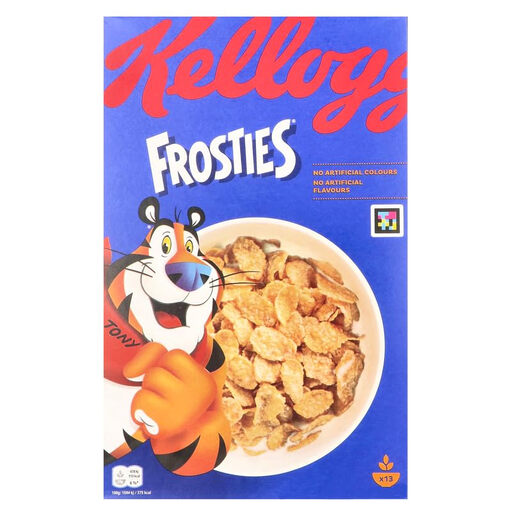 No image available
The 400 g pack is an option if you specifically want sweetened flakes and a smaller amount than 500 g better suits how much you’ll get through.
When comparing these with plain cornflakes, check the sugar per 100 g and the ingredients list.
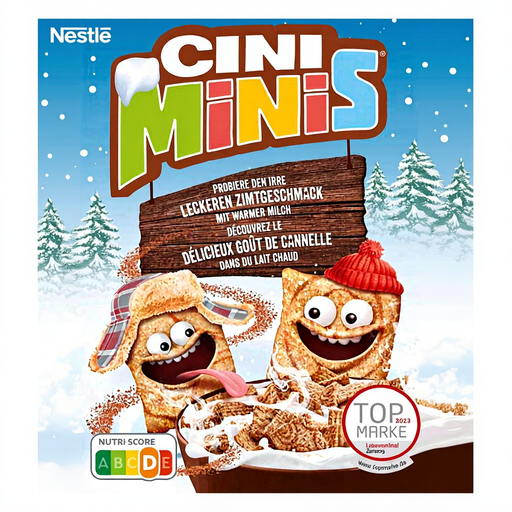 No image available
These 375 g cinnamon cereals may suit you if everyone who’ll be eating them specifically wants Cini Minis; they’re not plain cornflakes.
Check the sugar per 100 g and the allergen information on the pack for this variety.
No. A 1 kg pack is best suited to households where several people regularly eat that particular variety and will finish it in good time. If you get through less, or have different preferences, a smaller pack may fit your breakfast routine better.
Compare sugar per 100 g first, so you’re looking at the same quantity for each product. You can then take into account how much of each variety usually goes into your bowl.
No. Check the ingredients and allergen information on the pack you’re actually buying. Nestlé notes that recipes can change and that different packaging versions of Cini Minis may be available in shops.