
Lieferung heute & morgen

Qualitätsgarantie

Willkommens-Angebote freischalten: KOSTENLOSE Lieferung | Bis zu 80 % RABATT | Kostenlose 30-Tage-JoyPlus-Testphase
App herunterladen
The selection of crispbread on supermarket shelves can be overwhelming. Whether you need a quick breakfast, a light midday snack, or a base for creative toppings, finding the right crispbread to match your dietary needs and taste preferences isn't always easy. This guide is here to help you make an informed decision by highlighting the most important criteria and showcasing a selection of products for various requirements.
To find the perfect product for you, it helps to consider a few key aspects. The following points will guide you on your next shopping trip.
The foundation of any crispbread is its flour. A whole-grain crispbread is made from the entire grain kernel, including the bran and the germ. This results in a higher content of fibre, vitamins, and minerals compared to products made from refined flour.
For consumers who value organic farming, organic crispbread is an excellent option. These products are certified with an organic seal, which means the ingredients were grown without the use of synthetic pesticides and fertilisers.
Individuals with coeliac disease or gluten sensitivity should specifically look for gluten-free crispbread. These are typically made from alternative flours such as rice, corn, or buckwheat flour and must be clearly labelled as "gluten-free".
A look at the nutrition facts table reveals the product's quality. A high-fibre crispbread supports healthy digestion and helps you feel full for longer. A value of over 6 g of fibre per 100 g is considered high in fibre.
Also, pay attention to the sugar and salt content. Some products contain added sugar or high amounts of salt to enhance the flavour. The use of yeast is another relevant factor. For people with a yeast intolerance, there is special yeast-free crispbread. Furthermore, a vegan crispbread is made without any animal-derived ingredients, such as milk or honey.
Based on the criteria above, we have curated a selection of products that cater to different needs.
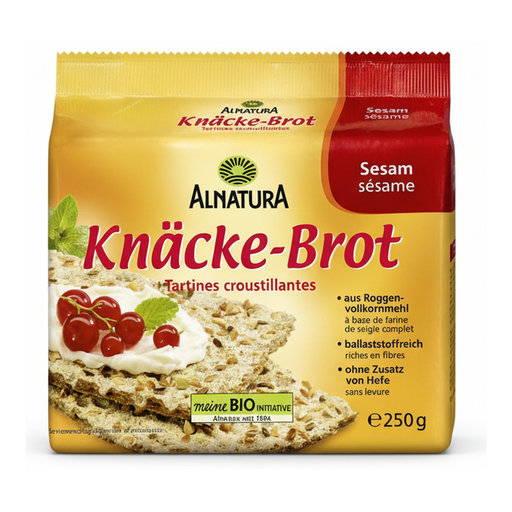
Why it stands out: This crispbread from Alnatura combines a simple ingredient list with certified organic quality. It is made without yeast or other leavening agents and consists mainly of whole-grain rye flour.
Pros:
Who is it for? This product is an excellent choice for health-conscious consumers looking for an organic, yeast-free product with a high fibre content. The nutty flavour of the sesame seeds rounds out the profile.
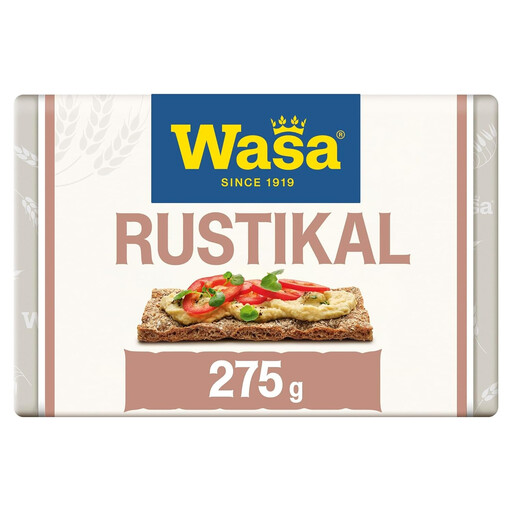
Why it stands out: Wasa Rustic uses a traditional recipe with 100% whole-grain rye flour. It is distinguished by its particularly high fibre content and a rich, rustic flavour.
Pros:
Who is it for? Ideal for fans of the classic, robust rye flavour who are specifically looking for a high-fibre crispbread. It provides a sturdy and flavourful base for savoury toppings.
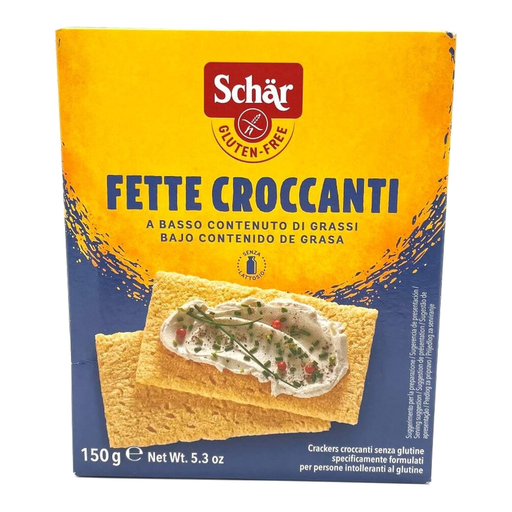
Why it stands out: Sch?r is a well-known brand for gluten-free foods. This crispbread was specially developed for people with coeliac disease or gluten intolerance and is free from many common allergens.
Pros:
Who is it for? This product is clearly aimed at individuals who must follow a strict gluten-free diet. By avoiding other allergens like lactose and yeast, it is a safe and versatile choice for people with multiple intolerances.
Crispbread is just one of many options for a quick and light meal. If you want to expand your repertoire, you can find more alternatives for versatile snacks and side dishes in our Flatbread category.
A direct comparison is difficult, as it depends on the specific type. A slice of whole-grain crispbread can have fewer calories and more fibre than a slice of white bread. However, when compared to whole-grain bread, the nutritional values can be similar. The advantage of crispbread often lies in its long shelf life and easy portioning.
Proper storage is crucial to maintain its crispness. Always keep crispbread in an airtight container or tin. Store it in a cool, dry place, and avoid direct sunlight or proximity to humid areas like the refrigerator or a kettle.
A reliable indicator is an official "gluten-free" seal on the packaging, such as the crossed-grain symbol. The ingredient list should be based on flours like rice, corn, buckwheat, or millet. Here too, pay attention to the fibre content and avoid products with excessive sugar or unnecessary additives.