
Lieferung heute & morgen

Qualitätsgarantie

Willkommens-Angebote freischalten: KOSTENLOSE Lieferung | Bis zu 80 % RABATT | Kostenlose 30-Tage-JoyPlus-Testphase
App herunterladen
The selection of curry pastes on the market can be overwhelming. Whether for a fiery Indian curry, an aromatic Thai dish, or a mild Japanese Kare Raisu, the right paste is the foundation for a successful dish. But which one is right for your culinary project?
This guide is designed to help you make an informed decision. We will introduce different types of curry pastes and provide specific product recommendations to help you find the ideal curry paste for your kitchen.
To find the right curry paste, three criteria are particularly helpful: the country of origin, the heat level, and the application method.
The flavour profile of a curry paste is significantly shaped by its regional origin. The three best-known varieties come from India, Thailand, and Japan.
The heat level is a crucial selection criterion. Manufacturers usually label their products with terms like "mild," "medium hot," or "extra hot." A hot curry paste owes its intensity to a high concentration of specific chilli varieties. It's always a good idea to check the ingredient list, not only to gauge the heat but also to check for allergens like mustard, gluten, or nuts.
The consistency of the paste affects its preparation:
Based on these criteria, we have compiled a selection of products that cover different flavour profiles and applications.
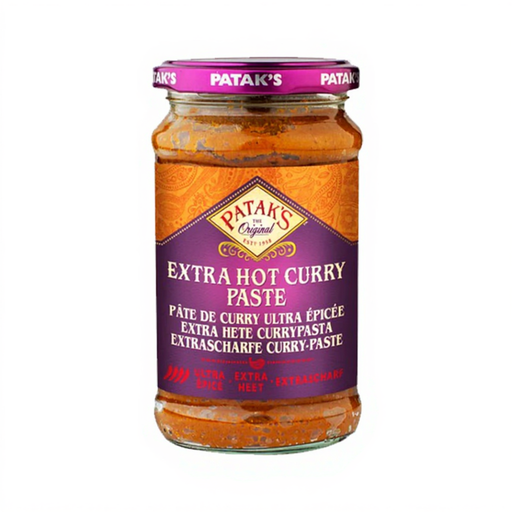
Why It's a Winner: This Indian curry paste from Patak's is designed for those who appreciate a distinct and authentic heat. The blend of chilli powder, cumin, coriander, and paprika provides a deep, multi-layered flavour that forms the basis for an intensely flavourful curry.
Pros:
Best For: Experienced home cooks and fans of Indian cuisine who are specifically looking for a very hot curry paste with an authentic flavour profile.
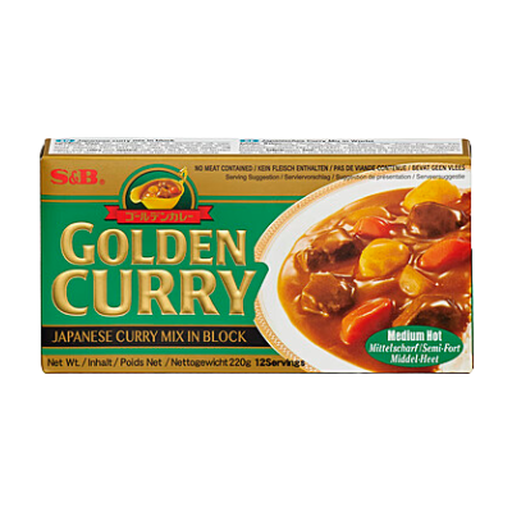
Why It's a Winner: The S&B Golden Curry mix is one of the most famous brands for Japanese curry paste. According to the manufacturer, a harmonious blend of 35 spices and herbs creates its characteristic taste. The roux blocks allow for straightforward preparation with foolproof results.
Pros:
Best For: Ideal for beginners to Japanese cuisine and for anyone who wants to prepare an aromatic and satisfying curry dish quickly and effortlessly.
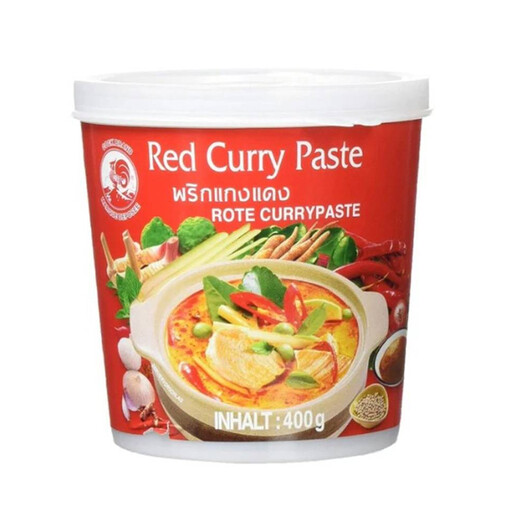
Why It's a Winner: This red curry paste from Cock Brand brings the authentic taste of Thailand to your kitchen. The ingredient list, featuring 28% dried red chillies, lemongrass, galangal, and coriander seeds, promises a robust and flavourful result, just as you would expect from traditional Thai curries.
Pros:
Best For: For cooks who want to create the characteristic, slightly spicy, and herbaceous flavour of a genuine red Thai curry.
Our selection covers popular varieties from Indian, Japanese, and Thai cuisine. If you are specifically interested in more ingredients and products for authentic dishes from Japan, you will find a wider selection in our category.
Discover more products for authentic dishes in our Japanese Table section.
Once opened, curry paste should always be stored in the refrigerator. For the exact shelf life, please refer to the information on the packaging. As a rule, pastes with a high oil and salt content last longer. To maximise shelf life, it is recommended to always use a clean spoon for removal.
The main difference lies in the chillies and spices used.
Yes, making your own curry paste is an option, but it requires a variety of fresh and dried ingredients, as well as a powerful blender or a mortar and pestle. For everyday use, ready-made curry pastes offer a convenient and time-saving alternative that delivers a consistently reliable flavour outcome.