
Lieferung heute & morgen

Qualitätsgarantie

Willkommens-Angebote freischalten: KOSTENLOSE Lieferung | Bis zu 80 % RABATT | Kostenlose 30-Tage-JoyPlus-Testphase
App herunterladen
When it comes to creating custom greeting cards, scrapbook pages, or decorative paper crafts, having the right tools is crucial. Cutting dies allow you to cut paper and other materials into complex shapes with high precision, giving any project a clean, professional look. However, with the vast selection of designs and types available, choosing the right set can be a challenge.
This article serves as a practical guide. It presents a selection of essential and themed metal dies and provides you with objective criteria to find the perfect dies for your creative projects.
Before you decide on a set, there are a few functional aspects to consider. These will help ensure the dies are compatible with your equipment and meet your creative needs.
Most metal dies are designed as "wafer-thin dies" and are compatible with popular manual die-cutting and embossing machines (e.g., from Sizzix, Spellbinders, or We R Memory Keepers). Nevertheless, always check the dimensions of the dies to ensure they fit on your machine's platform. The cutting performance also depends on the combination of the die, the machine, and the material used.
Standard cutting dies are typically made of carbon steel, which ensures good durability and sharp cutting edges. They are excellent for materials like paper, cardstock, photo paper, and vellum. For very intricate designs, it's advisable to run the paper through the machine multiple times or use a special tool to remove the small cut-out pieces. Simpler, larger shapes are often easier for beginners to handle.
It's useful to know the difference between cutting dies and embossing folders. While cutting dies cut through the material to create a shape, embossing folders reshape the paper to create a raised, textured pattern. Some thin dies can also be used for embossing when paired with an embossing mat, which expands their functionality.
Here is a curated selection of cutting dies that stand out for their versatility and are essential for basic DIY craft supplies.
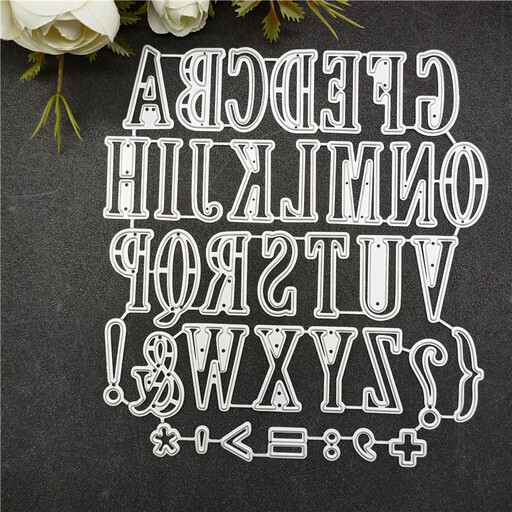
Why it stands out: A complete alphabet die set is a cornerstone for almost any personalization project. This set offers 26 clear, legible capital letters in a classic font, perfect for headlines, monograms, or names.
Pros:
Who it's for: Crafters who want to add custom text, names, or initials to their projects. It's a fundamental addition to any scrapbooking supplies collection.
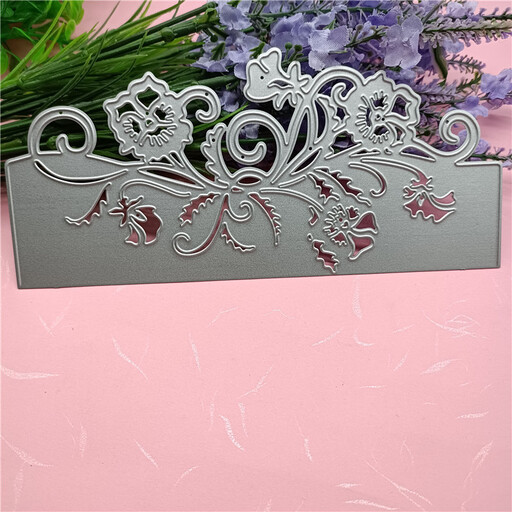
Why it stands out: This set bundles several common greetings in an elegant, cursive script. With dies for birthdays, Christmas, and general congratulations, it covers the most important occasions.
Pros:
Who it's for: Crafters who regularly make greeting cards for various holidays and events and are looking for a quick solution for professional-looking sentiments.
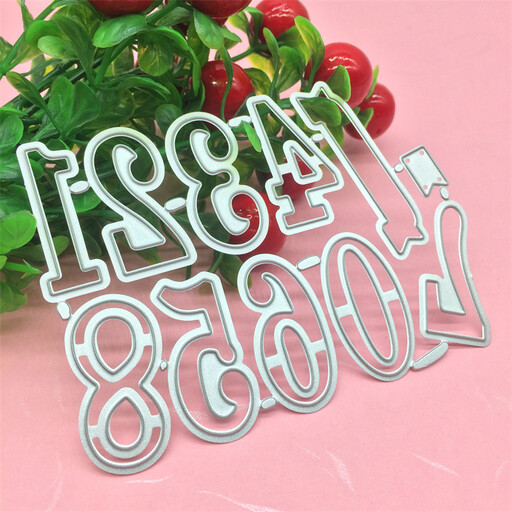
Why it stands out: As the perfect complement to the alphabet set, these number dies allow you to add dates, years, or ages to birthday cards. The design is coordinated with the letter set, ensuring a consistent look.
Pros:
Who it's for: Anyone who wants to personalize their projects with numerical details like dates or ages. Especially useful in combination with an alphabet set.
The sets featured here provide a solid foundation for many paper projects. However, if you're looking for more specific designs like floral patterns, geometric shapes, animals, or intricate frames, there's an even greater variety to discover.
Browse our extended collection to find the perfect tools for your next creative idea.
? Discover the full range of card making dies
1. What kind of machine is needed for cutting dies? To use thin metal dies, you need a manual die-cutting and embossing machine. These devices work with a system of plates (the so-called "sandwich") where the die and paper are placed between them and pressed through rollers to make the cut.
2. Can you cut materials other than paper with cutting dies? Yes, in addition to paper, many cutting dies can also cut thin cardstock, craft foam, felt, fabric, or shrink plastic. The suitability depends on the sturdiness of the die and the power of your die-cutting machine. It is recommended to check the manufacturer's specifications and perform a test cut with new materials.
3. What is the best way to store cutting dies? Since cutting dies are often small and numerous, organized storage is essential. Magnetic sheets or panels, placed in binders or storage boxes, are a popular method. The dies adhere to the magnetic surface, keeping them securely in place without shifting or getting lost.