
Lieferung heute & morgen

Qualitätsgarantie

Willkommens-Angebote freischalten: KOSTENLOSE Lieferung | Bis zu 80 % RABATT | Kostenlose 30-Tage-JoyPlus-Testphase
App herunterladen
A high-quality pair of cycling glasses is more than just a fashion accessory. It's an essential piece of gear that protects your eyes from UV radiation, wind, insects, and kicked-up debris. However, the market is crowded and full of marketing promises that often confuse more than they help. The wrong choice not only leads to discomfort but can also compromise your safety and performance. Before you invest, you should know the most common pitfalls.
The 3 Most Common Mistakes When Buying Cycling Glasses:
To make an informed decision, focus on the technical features that directly impact your vision and safety.
The choice of the right lenses depends heavily on your primary use case.
The frame is the foundation of any pair of sports sunglasses.
Besides the mandatory UV protection, other features make a difference.
Here are some recommendations tailored to specific requirements and usage scenarios.
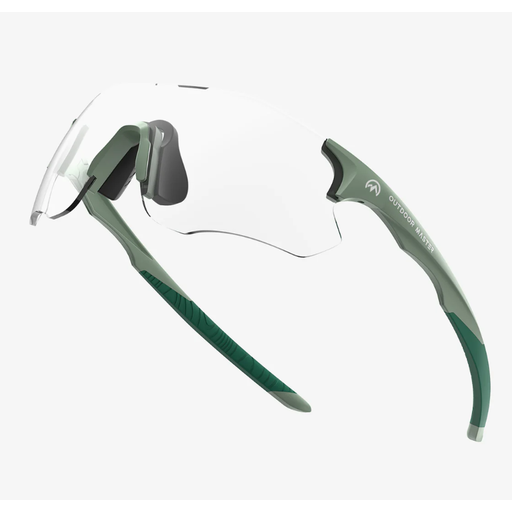
Why this model is a great fit: Ideal for riders who are out in all weather conditions. The glasses seamlessly adapt to changing light, whether on a long tour through forests and fields or in the unpredictable weather of the German low mountain ranges.
Instead of a vague "HD" promise, it offers a clearly defined photochromic function (Cat. 0-3). The TR90 frame and non-slip inserts directly address the problem of poor fit.
The photochromic technology offers maximum flexibility without changing lenses. The guaranteed UV400 protection and impact-resistant lenses ensure safety.
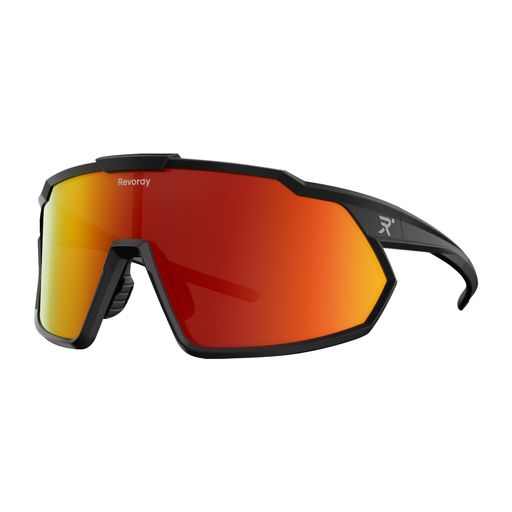
Why this model is a great fit: Designed for speed and long days in the saddle. The extremely low weight and polarised lenses are optimal for road cyclists who want to minimise glare on the asphalt and demand uncompromising performance.
It relies on polarised TAC lenses that are proven to filter glare. Weighing only approx. 33g and featuring a flexible TR90 frame with adjustable nose pads, it counteracts the comfort trap.
The ANSI Z87.1 certification proves its impact resistance. Water- and oil-repellent coatings make cleaning easier and ensure clear vision.
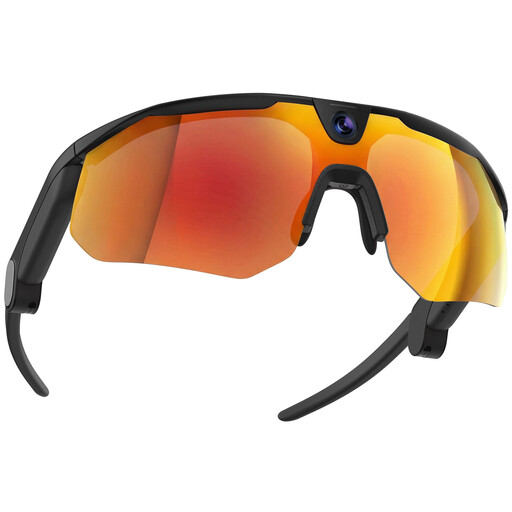
Why this model is a great fit: For riders who want to capture and share their experiences. These camera glasses for sports combine eye protection with a high-quality camera, open-ear audio, and AI functions in a single device.
It goes far beyond vague marketing terms, offering concrete technology: a 3K camera with EIS image stabilisation and optional ZEISS lenses. The lightweight TR90 frame ensures comfort despite the integrated tech.
The all-in-one solution for protection, audio, and video recording. AI-powered video editing and a walkie-talkie function offer real technological added value.
We have compiled a complete, up-to-date list of products that fully meet these strict selection criteria and UK safety regulations.
1. How do you clean cycling glasses properly without damaging the coating? First, rinse the glasses under lukewarm, running water to remove coarse dirt. If necessary, use a drop of pH-neutral soap and gently rub it on the lenses with your fingers. Then rinse them thoroughly and pat them dry with a clean, soft microfibre cloth. Be sure to avoid paper towels, T-shirts, or harsh cleaning agents, as these can scratch the delicate coatings.
2. Are more expensive cycling glasses worth the money? A higher price is not automatically a guarantee of better quality. The price should be reflected in objective features: advanced lens technologies (e.g., high-quality photochromic or polarised lenses), premium frame materials (like lightweight and durable TR90), recognised safety certifications (e.g., ANSI Z87.1 for impact resistance), or innovative additional functions like an integrated camera. If these features are missing, you may just be paying for the brand name.
3. Can I use prescription lenses with cycling glasses? Yes, some models offer solutions for this. Look for glasses that come with a so-called prescription insert (also known as a clip-in). An example of this is the BleeqUp Ranger. An optician can fit custom prescription lenses into this small inner frame. The clip is then simply clamped behind the main lens of the sports glasses.