
Lieferung heute & morgen

Qualitätsgarantie

Willkommens-Angebote freischalten: KOSTENLOSE Lieferung | Bis zu 80 % RABATT | Kostenlose 30-Tage-JoyPlus-Testphase
App herunterladen
A good pair of cycling glasses is more than just a fashion statement. It protects your eyes from UV radiation, wind, insects, and kicked-up debris. But the market is flooded with models making bold marketing claims that often fail to deliver in practice. Many cyclists invest in glasses that slip, are useless in changing light conditions, or have lenses that scratch after a short time. Before you make a decision, it's important to know the most common pitfalls.
The 3 most common pitfalls when buying cycling glasses:
To avoid a bad purchase, you should focus on objective, technical features rather than marketing buzzwords. The following three aspects are crucial for the function and safety of cycling glasses.
The lenses are the heart of any pair of sports sunglasses. The technology determines how well you can see in different situations.
A good pair of cycling glasses must be durable and lightweight so it doesn't become a nuisance on long rides.
Safety and comfort go hand in hand. Glasses that don't fit properly cannot fulfill their protective function.
Based on the criteria above, we have identified a few models that are suitable for specific user profiles.
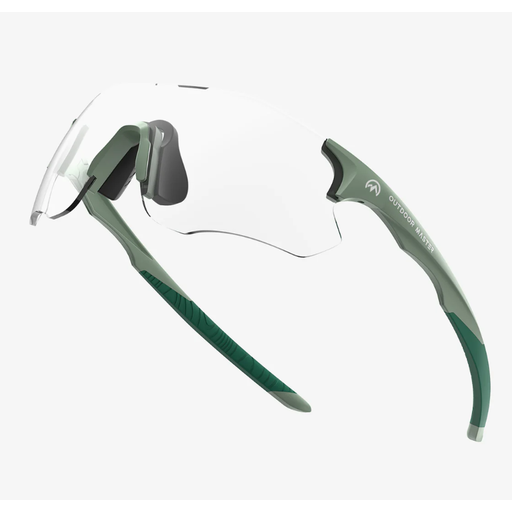
Why This Fits Their Persona: Ideal for riders whose routes take them through varying light conditions. The photochromic lenses adjust automatically, making them perfect for mountain bike trails in the woods or long rides from morning into dusk.
Solves the "wrong lens technology" problem, as they flexibly adapt to the environment, eliminating the need for manual lens swaps.
Automatic tint adjustment (Cat. 0 to Cat. 3) and full UV400 protection in a lightweight TR90 frame.
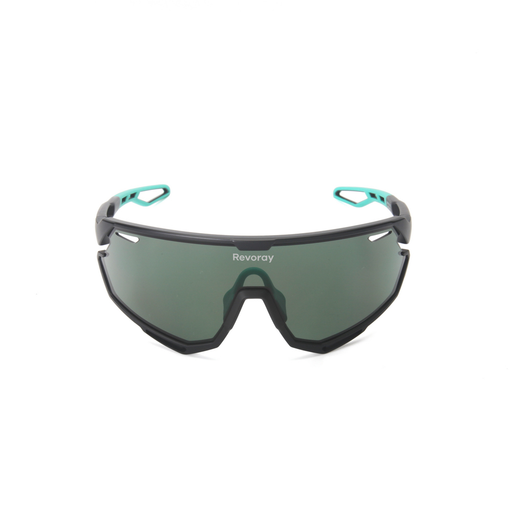
Why This Fits Their Persona: Designed for road cyclists and triathletes where aerodynamics and low weight are paramount. The frameless design with a large, single-piece lens provides a maximum field of view and minimises air resistance.
Counteracts the "poor fit" pitfall with a lightweight TR90 frame (approx. 30g) and non-slip rubber elements on the nose and temples, which ensure a stable grip even at high speeds.
Aerodynamic design for minimal wind resistance and a very low weight of approx. 30g for maximum comfort.
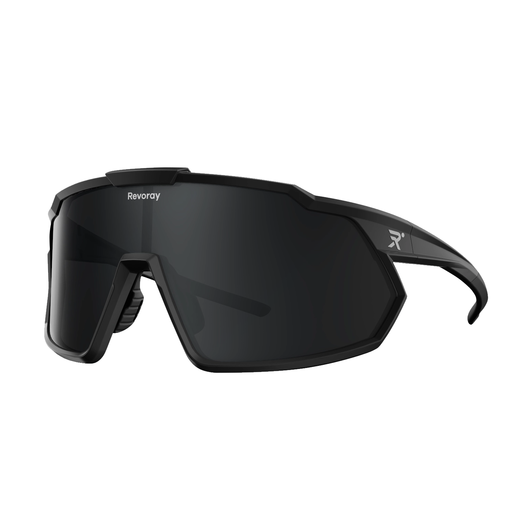
Why This Fits Their Persona: A functional all-rounder for athletes looking for reliable glasses for various activities like cycling, running, or hiking without spending a fortune. It offers all the essential protective features.
Avoids the "vague protection claims" trap with verifiable 100% UV400 protection and certification to the ANSI Z87.1 impact resistance standard, which provides objective safety.
HD TAC polarized lenses to reduce glare and a lightweight TR90 frame with adjustable nose pads.
We have compiled a complete, up-to-date list of products that fully meet these strict selection criteria and all applicable safety regulations.
Polarized lenses specifically reduce glare from horizontal surfaces like wet roads. They have a fixed tint and are excellent for consistently bright conditions. Photochromic lenses change their tint according to UV light intensity. They are ideal for changing light conditions but may not offer the same level of anti-glare protection as polarized lenses in strong sun on a wet road.
After your ride, clean the lenses with lukewarm water to remove dirt and sweat. Then, dry them with the included microfiber cloth. Do not use harsh detergents or paper towels, as these can damage the lens coatings. Always store the glasses in their case when not in use to prevent scratches and deformation.
Not necessarily. A high price can be due to a well-known brand name, elaborate design, or special patented technologies. However, the objective features are more important than the price: UV400 protection, a break-resistant TR90 frame, impact-resistant polycarbonate lenses, and a good, adjustable fit. A pair of glasses that meets these criteria can also offer excellent performance in the mid-price range.