
Lieferung heute & morgen

Qualitätsgarantie

Willkommens-Angebote freischalten: KOSTENLOSE Lieferung | Bis zu 80 % RABATT | Kostenlose 30-Tage-JoyPlus-Testphase
App herunterladen
A good pair of cycling glasses is more than just a fashion accessory. It's an essential piece of gear that protects your eyes from UV radiation, wind, insects, and kicked-up debris. But the market is overwhelming and full of marketing promises that often obscure more than they clarify. Many cyclists invest in models that later prove to be impractical or inadequate.
As your Joybuy Product Recommendation Officer, I'll help you identify the common pitfalls and make an informed decision. Let's focus on the facts that truly matter.
Before we dive into the technical details, let's look at the most frequent reasons for a bad purchase. Knowing these is the first step toward making the right choice.
To avoid these mistakes, you should check three core technical parameters. These define the performance and utility of a pair of glasses far more than any marketing slogan.
Choosing the right lenses is crucial for your vision and safety. The two most common technologies have specific use cases:
Protection and durability are non-negotiable. Look for the following features:
A pair of glasses is useless if it doesn't fit perfectly.
Based on the criteria above, we have identified a few models that are suitable for different types of riders and their needs.
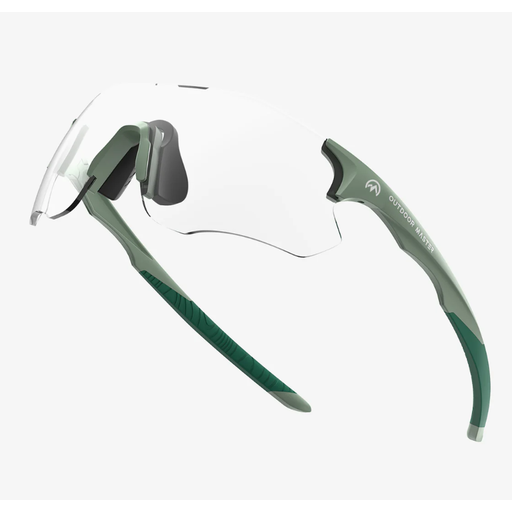
Why This Fits Their Persona: Ideal for riders who are out in changing light conditions, like mountain bikers on forest trails or commuters at dawn and dusk. The glasses adapt seamlessly to the environment.
The photochromic technology solves the problem of an unsuitable tint, as the lenses automatically adjust from nearly clear (Cat. 0) to dark (Cat. 3). One pair of glasses for all situations.
Maximum flexibility thanks to self-tinting lenses. A lightweight TR90 frame and 100% UV400 protection are also included.
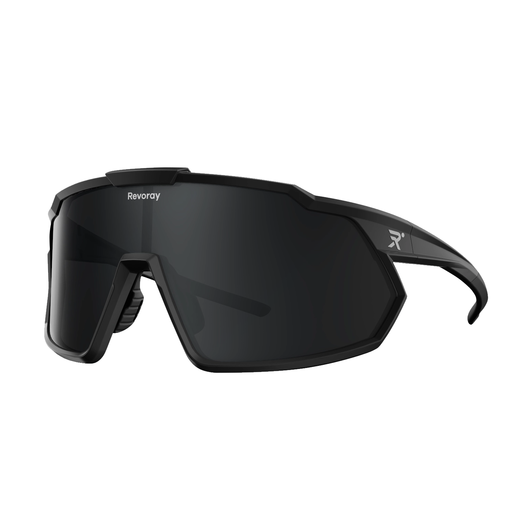
Why This Fits Their Persona: Designed for cyclists who primarily ride on the road in bright conditions and need maximum glare reduction for clear, high-contrast vision.
The polarised TAC lenses effectively filter glare from wet roads. The ultra-light TR90 frame (approx. 33g) and adjustable nose pads prevent the comfort-related bad buy.
Excellent glare reduction and impact resistance (certified to ANSI Z87.1). Water and oil-repellent coating for easy cleaning.
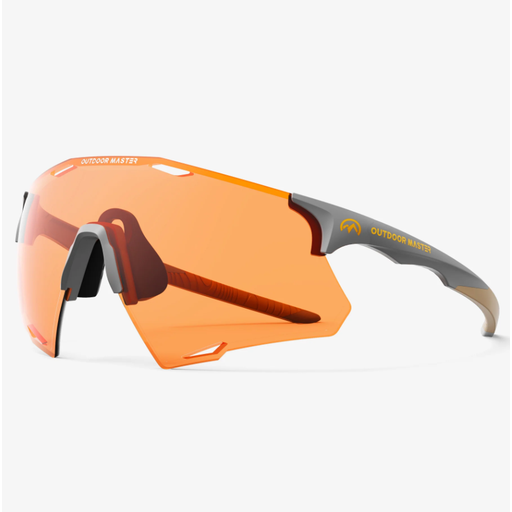
Why This Fits Their Persona: For beginners or athletes looking for a reliable pair of glasses for various activities like cycling, running, or hiking without a large budget.
Delivers the essential core features: polarised lenses, 100% UV400 protection, and a very light frame (approx. 25.5g) with an adjustable fit. No compromises on safety.
Excellent price-to-performance ratio. Vented lenses to reduce fogging and a wide peripheral field of view.
We've compiled a complete, up-to-date list of products that fully meet these strict selection criteria and German safety regulations.
1. How do you clean cycling glasses properly without damaging the coating? First, rinse the lenses under lukewarm water to remove coarse dirt particles. Apply a drop of pH-neutral soap to your fingers and gently rub the lenses. Rinse them thoroughly again and dry them with the included microfibre cleaning cloth. Never use paper towels, T-shirts, or harsh cleaning agents, as these can scratch or dissolve the delicate coatings.
2. What does UV400 protection mean on sport sunglasses? The UV400 label means that the lenses are designed to block all ultraviolet rays with a wavelength of up to 400 nanometres. This includes 100% of harmful UVA and UVB rays and represents the highest available standard of eye protection.
3. Are photochromic or polarised lenses better for mountain biking (MTB)? For mountain biking, photochromic cycling glasses are the better choice in most cases. The constant and rapid changes between sunny, open sections and dark, shaded forest paths require lenses that can dynamically adjust their tint. In the forest, polarised lenses can make it harder to perceive depth and spot wet roots or rocks, as they eliminate certain reflections that can be useful for assessing the terrain.