
Lieferung heute & morgen

Qualitätsgarantie

Willkommens-Angebote freischalten: KOSTENLOSE Lieferung | Bis zu 80 % RABATT | Kostenlose 30-Tage-JoyPlus-Testphase
App herunterladen
A good pair of cycling glasses is more than just a fashion statement. It protects your eyes from wind, insects, dust, and harmful UV radiation. However, the market is flooded with models whose marketing promises often create more confusion than clarity. Before you make a decision, it's helpful to know the most common pitfalls that can lead to a poor purchase.
A common misconception is that extremely low weight is automatically a sign of quality. Often, an ultralight design comes at the expense of the frame's stability and durability. Another point is UV protection: while UV400 protection is an essential standard, it alone says nothing about the optical quality or impact resistance of the lenses. Polarisation is also frequently touted as a cure-all, but it can have disadvantages in certain situations, such as when reading LCD displays (bike computers, smartphones).
To make an informed decision, you should focus on objective, technical features rather than vague marketing claims. Three parameters are of central importance.
The choice of lens material directly impacts safety and visual quality. The two most common materials for sports sunglasses are Polycarbonate (PC) and Triacetate Cellulose (TAC).
Lightweight sports glasses enhance comfort, but the frame's material and construction are more critical for performance.
Certifications provide an objective basis for evaluating protective functions.
The right gear always depends on the individual's specific use case. Here are some recommendations tailored to specific user profiles.
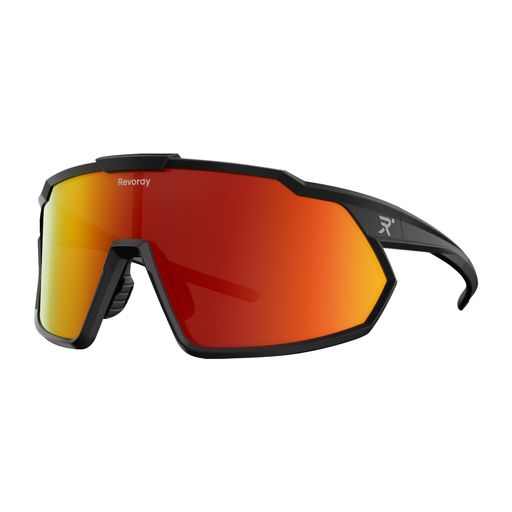
Why This Fits Their Persona: For mountain bikers on unpaved trails, protection from branches and rock chips is crucial. This model combines protection with clear vision.
Instead of just being lightweight, these glasses offer ANSI Z87.1 certified impact resistance. The TR90 frame provides the necessary robustness without being heavy.
The combination of polarised TAC lenses to reduce glare on wet roots and certified impact protection is a clear safety advantage.
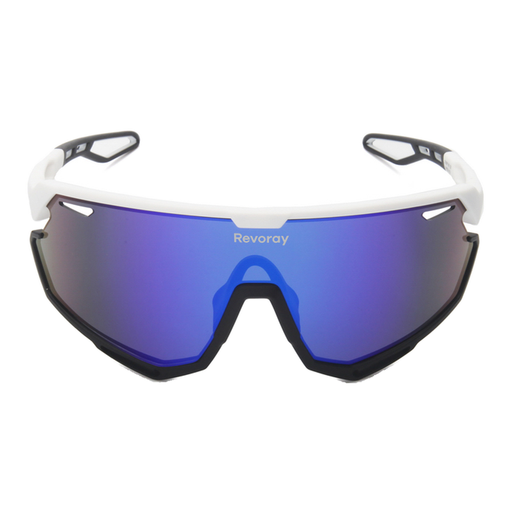
Why This Fits Their Persona: For **road cycling glasses**, aerodynamics, a wide field of view, and a secure fit at high speeds are crucial. This model is designed to meet these demands.
The design focuses on a well-engineered balance: the weight of approx. 30g is low, but the TR90 frame and single-piece PC lens provide the necessary stability and wind coverage.
The aerodynamic, streamlined design reduces wind resistance, while the large, one-piece PC lens ensures an unrestricted field of view.
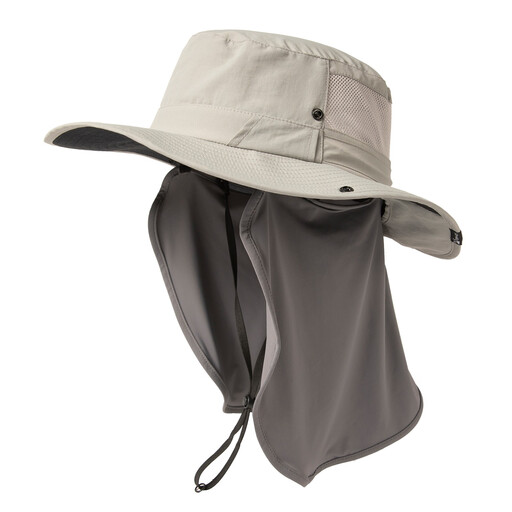
Why This Fits Their Persona: For anglers, hikers, or gardeners who are exposed to the sun for hours, eye protection alone is often not enough. Comprehensive head and neck protection is required here.
This product addresses a protection gap that glasses alone cannot fill. It is a functional supplement to classic eye protection.
The Men's UV Protection Sun Hat with UPF 50+ and the integrated fishing hat with neck flap offer maximum protection for sensitive skin. It's an ideal part of your overall outdoor accessories.
We've compiled a complete, up-to-date list of products that fully meet these strict selection criteria and safety regulations.
After use, rinse the glasses with lukewarm, clear water to remove coarse dirt. Then, gently dry them with a clean microfibre cloth. Be sure to avoid harsh detergents, alcohol, or paper towels, as these can scratch or dissolve the delicate lens coatings.
In most cases, yes. Polarised lenses significantly reduce glare from wet roads, car windows, or water surfaces, which improves vision and reduces eye strain. A potential downside is that they can impair the readability of LCD screens (e.g., bike computers or smartphones). You have to weigh what is more important to you: maximum glare reduction or unrestricted display readability.
UV400 protection is a quality standard for eyeglass lenses. It indicates that the lenses filter almost 100% of harmful ultraviolet radiation (UVA and UVB) up to a wavelength of 400 nanometres. This is fundamental for protecting eye health during outdoor activities and should be a minimum requirement for any sports or sunglasses.