
Lieferung heute & morgen

Qualitätsgarantie

Willkommens-Angebote freischalten: KOSTENLOSE Lieferung | Bis zu 80 % RABATT | Kostenlose 30-Tage-JoyPlus-Testphase
App herunterladen
The retail selection of dark chocolate is vast, and choosing the right product can be a challenge. Whether you're looking for a chocolate with a high cocoa content for an intense experience, a low-sugar option for health reasons, or a special bittersweet chocolate as a gift, the differences in quality and taste are significant.
This article serves as a guide. It outlines objective criteria for selection and presents a curated list of products to make your decision easier when you want to buy dark chocolate.
To make an informed choice, some basic knowledge about the properties of dark chocolate is helpful. The following points provide an objective basis for your purchasing decision.
The cocoa percentage is one of the most important pieces of information on the packaging. It indicates the proportion of cocoa solids (cocoa mass and cocoa butter) in the total product.
A short and clear ingredients list is often an indicator of a high-quality product. Ideally, dark chocolate consists of a few core components:
Watch out for the use of non-cocoa fats like palm oil or an overly long list of additives, which can detract from the pure chocolate taste.
Based on objective product characteristics such as ingredients, cocoa content, and unique composition, we have compiled a selection of different dark chocolates.
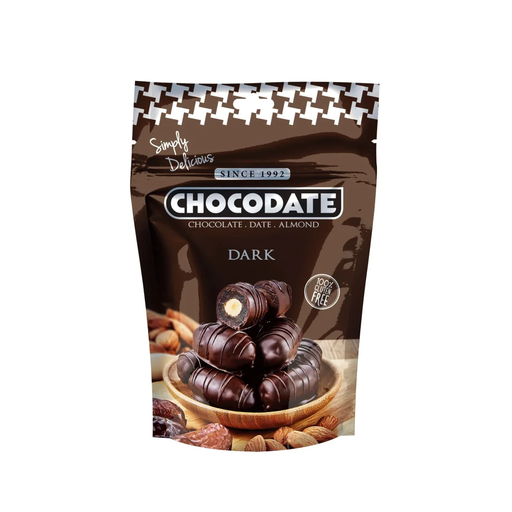
What makes this product stand out: This chocolate speciality combines three components: dates, roasted almonds, and a dark chocolate coating. The sweetness comes primarily from the date, which means the amount of added sugar is low. According to the manufacturer, the product is free from gluten, colourants, and vegetable oils.
Advantages:
Who is it for? For those looking for an alternative to classic chocolate bars and who appreciate the taste of dates and almonds. It is a great option for anyone in search of healthier sweets with a lower amount of added sugar.
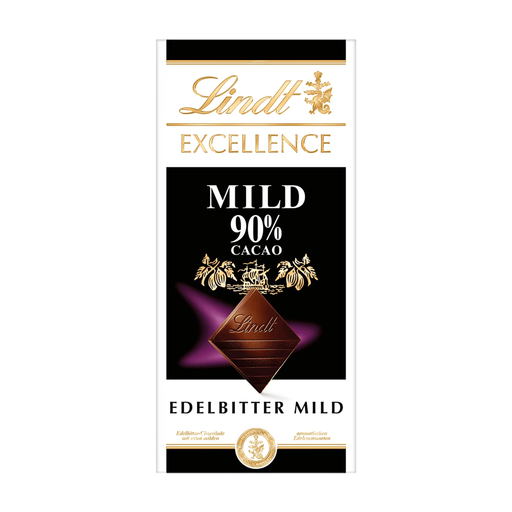
What makes this product stand out: With a cocoa content of 90%, this bar is one of the most intense chocolates in the range. It was developed for lovers of a strong and minimally sweet cocoa flavour. The ingredients list is reduced to the essentials: cocoa mass, cocoa butter, low-fat cocoa powder, and sugar.
Advantages:
Who is it for? For experienced dark chocolate connoisseurs who prefer the purest and strongest possible cocoa taste. Those specifically looking for a chocolate with little sugar will find a suitable option here.
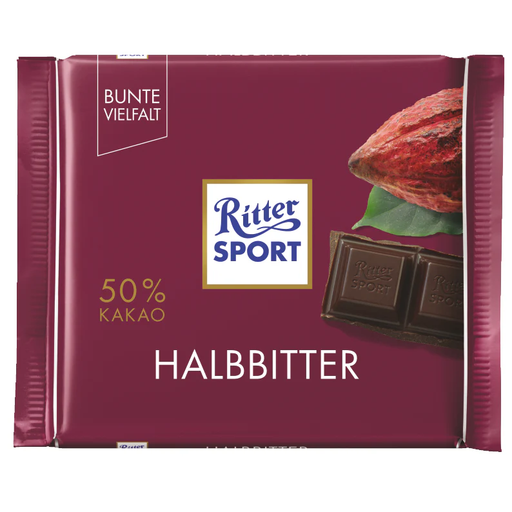
What makes this product stand out: With a 50% cocoa content, this bar is positioned in the semi-sweet chocolate category. It offers a well-balanced compromise between the tartness of cocoa and a pleasant sweetness. The recipe, featuring fine cocoa from Nicaragua and Papua New Guinea, ensures a mild yet characterful taste.
Advantages:
Who is it for? For chocolate lovers who want to switch from milk chocolate to darker varieties or simply prefer a milder semi-sweet taste. It is also well-suited for baking.
The world of chocolate is diverse, ranging from classic bars to filled specialities. If you want to discover more varieties or specifically order pralines online, you can find a wider selection in our category.
Discover the entire range of Sweet Chocolate here
There is no objectively "ideal" cocoa content. The choice depends entirely on personal preference.
Not necessarily. Many high-quality dark chocolates are naturally lactose-free and vegan, as they only consist of cocoa components and sugar. However, some products may contain milk fat (clarified butter) to refine the melt. Additionally, cross-contamination with milk can occur in facilities that also produce milk chocolate. Therefore, it is always advisable to check the ingredients list and allergen information.
Chocolate is sensitive to temperature, light, and odours. It is best stored in a cool, dry, and dark place at a constant temperature between 15 and 18°C (59 and 64°F). The refrigerator is unsuitable, as the humidity can lead to sugar bloom, and the cold can impair the aromas. Keep the chocolate in its original packaging or in an airtight container to protect it from foreign smells.