Lieferung heute & morgen

Qualitätsgarantie

Willkommens-Angebote freischalten: KOSTENLOSE Lieferung | Bis zu 80 % RABATT | Kostenlose 30-Tage-JoyPlus-Testphase
App herunterladen
There is a special quiet that settles in the late afternoon. The light changes its angle, the sounds of the day recede, and a space emerges for a brief, mindful pause. In these moments, we often seek a small anchor, a ritual to mark the transition. A piece of dark chocolate, allowed to melt slowly on the tongue, can be such a ritual. It is a gesture that requires no grand performance, yet offers a remarkable depth of sensory experience.
The fascination with dark chocolate lies in its reduction to the essential. Unlike its milky counterparts, it directs the focus squarely onto the cacao bean itself—its origin, its roast, its processing. The high cacao content in chocolate is more than just a number on the packaging; it is an indicator of intensity and aromatic profile. A bar with 70% cacao might reveal fruity, almost citrusy notes, while one with 90% can unfold earthy, smoky, or nutty tones.
This spectrum is the result of a meticulous process similar to viticulture. The terroir—that is, the soil, climate, and growing region of the cacao plant—shapes the fundamental character of the bean. The subsequent fermentation and roasting are crucial artisanal steps that the chocolatier must masterfully control to extract the desired aromas and minimise unwanted acidity.
In recent years, awareness of these connections has sharpened. Consumers are actively seeking chocolates that tell a story. This has also led to a diversification of the market. For instance, vegan chocolate is often a natural consequence of high-cacao dark chocolate varieties, as they are by definition free of milk components. At the same time, there is growing interest in chocolate with no added sugar, where the natural sweetness of the cacao fruit or alternative sweeteners come to the forefront to create the purest possible taste experience.
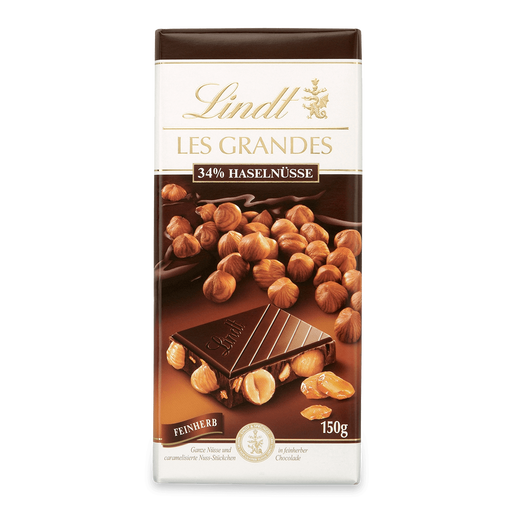
Choosing a chocolate is a personal decision, guided by occasion and preference. For purists seeking the essence of cacao, a bar like Lindt Excellence 90% Cocoa Dark Chocolate serves as a benchmark. Its intense, dry texture and complex bitter notes make a clear statement. A counterpoint is offered by creations that enhance texture and flavour with additions. The combination of dark chocolate with nuts is a classic, reinterpreted through the quality of its ingredients. The Schogetten Fine Dark Chocolate with Hazelnuts offers an uncomplicated form of enjoyment with its pre-portioned pieces and finely chopped hazelnuts. For those who prefer an even more substantial mouthfeel, the Lindt Les Grandes Dark Chocolate Hazelnut, with its whole roasted nuts, provides a satisfying balance of crunch and melt.
The form of chocolate is increasingly adapting to modern lifestyles. Functional formats have been developed for a mindful snack or to support an active day. A chocolate protein bar like the Eat Natural Protein Fruit Bar Peanuts & Dark Chocolate combines nutritious ingredients with the rich taste of dark chocolate. Form also plays a crucial role in the home bakery. High-quality baking chocolate is the foundation for sophisticated desserts. A good dark chocolate couverture, such as the Dr. Oetker Dark Chocolate Couverture, is distinguished by its melting properties and gives pastries a professional sheen. For decoration, fine dark chocolate shavings like those from Dr. Oetker or Ruf offer a simple way to add texture and an intense cacao aroma.
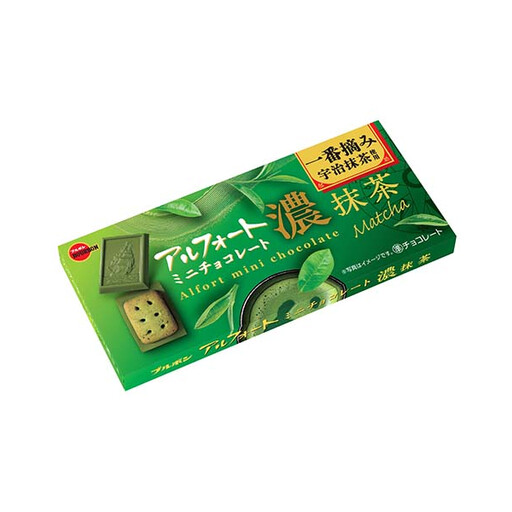
The world of dark chocolate is also a field for cultural and flavour discoveries. The fusion of Japanese green tea and cacao in the BOURBON Alfort Mini Chocolate Dark Matcha biscuits demonstrates how harmoniously different flavour worlds can merge. At the same time, thoughtful, plant-based options are firmly establishing themselves in the market. The Tony's Chocolonely Almond Sea Salt Vegan Chocolate is an example of a modern vegan chocolate that plays with a subtle hint of salt. For those wishing to avoid refined sugar, products like the Lindt Dark Chocolate Bar No Added Sugar or the date-sweetened Chocodate Dark Chocolate No Added Sugar offer thoughtful alternatives. Even in the dessert category, innovative approaches can be found, as proven by the plant-based Alpro Soy Dessert Dark Chocolate.
The application of dark chocolate in the culinary arts is diverse, extending into patisserie. For inspiration on how intense cacao notes can unfold in chilled desserts, the index for dark chocolate ice cream offers a curated overview.