
Lieferung heute & morgen

Qualitätsgarantie

Willkommens-Angebote freischalten: KOSTENLOSE Lieferung | Bis zu 80 % RABATT | Kostenlose 30-Tage-JoyPlus-Testphase
App herunterladen
The search for a suitable anti-aging day cream with SPF can quickly become overwhelming. The market offers a vast array of products, all promising younger-looking skin and protection. However, not every cream delivers on its advertising claims. Opaque labels and exaggerated promises often lead to poor purchasing decisions. This guide will help you understand the essential criteria and make an informed choice based on facts, not marketing hype.
Before we dive into the key parameters, it's helpful to be aware of three common pitfalls that can lead to an unsuitable purchase:
To make the right choice, you should focus your attention on three objective criteria. These will help you realistically assess a cream's performance.
Daily protection from UV radiation is a fundamental cornerstone of skincare for mature skin. UV rays are one of the main causes of premature skin aging, including wrinkles and loss of elasticity.
Therefore, it is crucial to look for the "Broad Spectrum" label or the UVA logo (UVA in a circle). This ensures the product protects against both UVB and UVA rays. For daily use in most climates, an SPF 30 is considered a solid standard, while an SPF 50+ offers even higher protection.
A good firming face cream combines moisturizers with active ingredients that target the specific needs of mature skin. Instead of being swayed by a single ingredient, examine the overall formulation. Effective combinations often include:
The best formulation is useless if the cream doesn't suit your skin type. A cream that is too rich can lead to breakouts on oily skin, while a lightweight gel texture may not provide enough nourishment for dry skin.
Here are some product recommendations tailored to different needs and priorities.
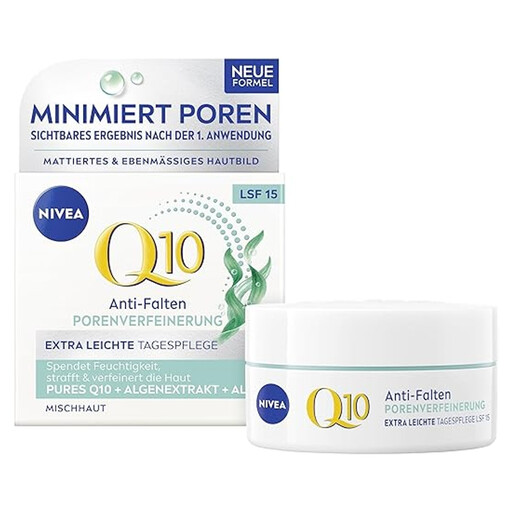
Why this product is a great fit: An accessible option for starting an anti-aging routine with sun protection. The lightweight formula is specifically designed for combination skin and aims to hydrate and refine pores without feeling heavy.
The lightweight texture avoids the heavy, greasy feeling that deters many from daily SPF use. It absorbs quickly and is well-suited for everyday wear.
Combines the well-known active Q10 with algae extract. The SPF 15 provides basic protection for days with low sun exposure, such as a typical day at the office.
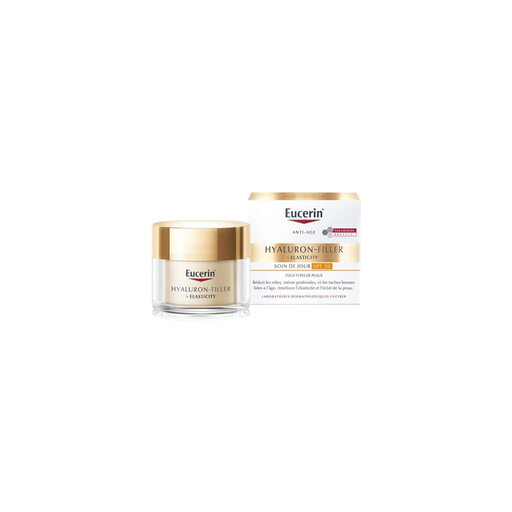
Why this product is a great fit: For users seeking a reliable **anti-wrinkle cream with SPF 30** and a thoughtfully designed formula. This product combines solid broad-spectrum protection with active ingredients that target the needs of more mature skin.
Instead of relying on a single active, the formula combines hyaluronic acid with Arctiin and Creatine. The SPF 30 with UVA protection offers adequate coverage for daily use and prevents the false sense of security from a lower SPF.
Provides balanced care that moisturizes, aims to support elasticity, and simultaneously offers reliable protection against photoaging. A multifunctional solution for the morning routine.
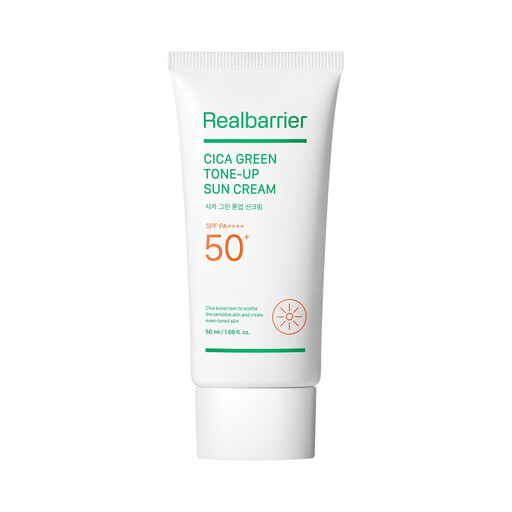
Why this product is a great fit: Ideal for individuals with sensitive skin who need very high sun protection and also want to conceal redness. The formula is designed to soothe and strengthen the skin barrier.
The lightweight, green-tinted texture counteracts the "white cast" of mineral filters and neutralizes redness instead of leaving a heavy layer. The very high protection (SPF 50+) prevents insufficient coverage.
Contains Centella Asiatica (Cica) for skin soothing and the patented MLE technology to strengthen the skin barrier. It offers very high UVA and UVB protection (SPF 50+ PA++++).
Specialized care can be particularly beneficial for those needing high levels of protection. We've curated a selection of products that offer a sun protection factor of 50 or higher.
Yes, using it in the winter is still recommended. While UVB radiation (responsible for sunburn) is weaker in winter, UVA rays, which are a major contributor to skin aging, remain relatively constant throughout the year. They also penetrate through clouds and window glass.
For a normal day spent mostly indoors, a day cream with SPF 30 is generally sufficient. However, for prolonged and direct sun exposure, such as at the beach, hiking, or during outdoor sports, a dedicated, water-resistant sunscreen should be used and reapplied every two hours.
To achieve the protection level indicated on the packaging, a sufficient amount is necessary. A common rule of thumb for the face and neck is the "two-finger rule": apply two strips of the cream to your index and middle fingers. Many users tend to apply too little product, which significantly reduces the protection factor.