
Lieferung heute & morgen

Qualitätsgarantie

Willkommens-Angebote freischalten: KOSTENLOSE Lieferung | Bis zu 80 % RABATT | Kostenlose 30-Tage-JoyPlus-Testphase
App herunterladen
A new desk chair seems like a simple purchase. But the reality is often different: after just a few months, the chair is squeaking, your back hurts, or the casters have scratched the floor. Many buyers fall into marketing traps that lead to frustration and unnecessary expenses.
As a Joybuy Product Recommendation Officer, I analyze product information daily to help you make informed decisions. This guide will show you the most common pitfalls and the crucial criteria to consider before buying, whether it's for your home office, study space, or vanity.
Before we dive into the important features, let's look at the typical problems that lead to a bad purchase.
To avoid these traps, focus on the following objective criteria. These determine the durability, comfort, and functionality of your new chair.
Adaptability is key. A good desk chair should offer at least the following adjustment options:
The materials influence not only the appearance but also the comfort and durability.
Look for recognized certification marks. An SGS-certified gas lift is an indicator of tested safety and durability. The maximum weight capacity specifications should always be respected to ensure the chair's stability.
Here are some models tailored to specific user profiles and their requirements.
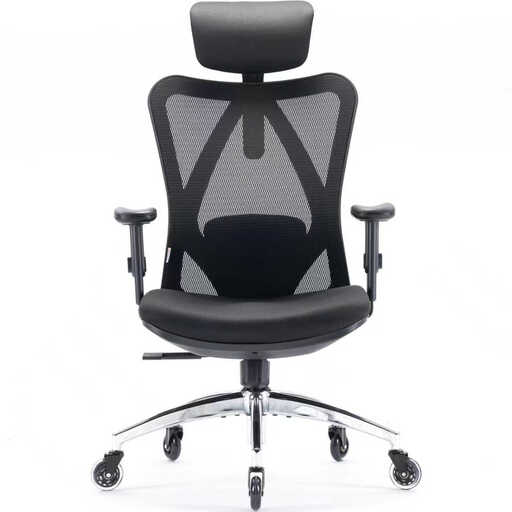
Why This Fits Their Persona: Ideal for people who spend many hours at their desk daily and need comprehensive, adjustable support to prevent fatigue and postural damage.
This chair avoids the empty "ergonomics" promise trap with five specific adjustment points: adjustable headrest, lumbar support, armrests, seat height, and tilt.
Breathable mesh back for good air circulation. High weight capacity of up to 150 kg and BIFMA/SGS certifications indicate tested components.
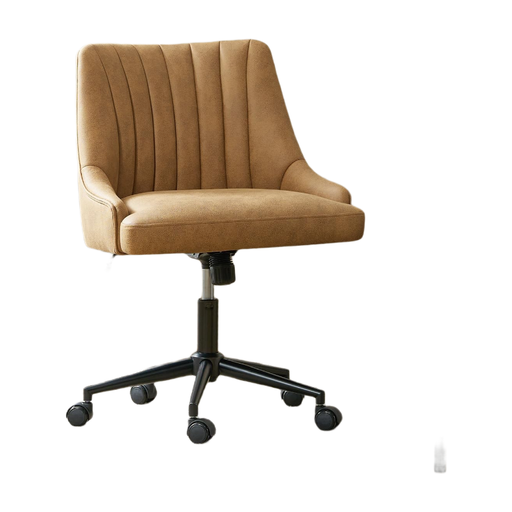
Why This Fits Their Persona: Perfect for students, creatives, or users with limited space who need a chair that can be pushed completely under the desk and offers maximum freedom of movement for the arms and upper body.
This chair bypasses the trap of incorrect dimensions. The armless design prevents conflicts with the tabletop and allows for space-saving storage, which is crucial in small apartments or rooms.
Maximum flexibility and a space-saving design. The quilted backrest and thick seat padding provide good comfort for moderate periods of use, even without armrests.
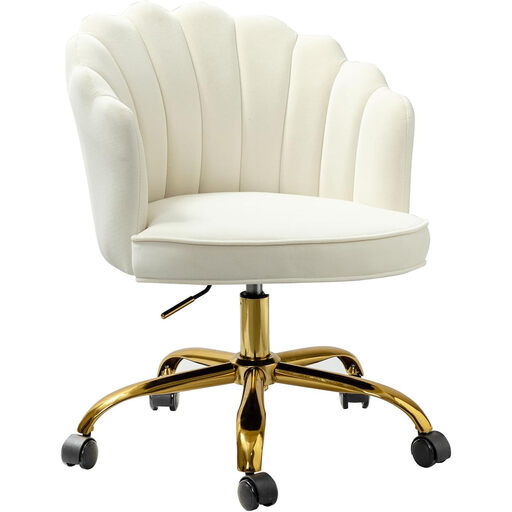
Why This Fits Their Persona: For design-conscious users looking for a functional chair that also makes an aesthetic statement. Ideal as a vanity chair or for a stylish home office.
This model focuses on basic functions (height-adjustable, swivel) and avoids exaggerated ergonomic promises. Its value lies in the combination of design and solid core functionality.
Elegant design with a velvet cover and a gold metal frame. The compact build with a low backrest blends harmoniously into living spaces and fits well under desks or vanities.
We have compiled a complete, up-to-date list of products that fully meet these strict selection criteria and all relevant safety regulations.
The lifespan of a desk chair heavily depends on the material quality, construction, and intensity of use. Models with a sturdy metal base and a high-quality gas lift can last 5 to 8 years or more with daily use. Cheaper models with many plastic components often show signs of wear after just 1 to 3 years. Regularly tightening the screws can extend its lifespan.
For hard floors like hardwood, laminate, vinyl, or tile, you absolutely need hard floor casters. These are sometimes called soft casters because their rolling surface is made of a softer material (e.g., polyurethane). This coating prevents scratches, reduces rolling noise, and provides better grip. Standard hard plastic casters are only suitable for carpeted floors.
That depends on its intended use. For classic computer-based office work, armrests help relieve strain on the shoulder and neck muscles. However, a desk chair without armrests is advantageous if you need a lot of arm mobility (e.g., for drawing or playing an instrument) or if the chair needs to be pushed completely under a low desk to save space. As long as the back support and seat height are correct, an armless model can also be an ergonomically sound solution.