
Lieferung heute & morgen

Qualitätsgarantie

Willkommens-Angebote freischalten: KOSTENLOSE Lieferung | Bis zu 80 % RABATT | Kostenlose 30-Tage-JoyPlus-Testphase
App herunterladen
By Joybuy Product Recommendation Officer, August 30, 2026
A baby's skin is significantly thinner and more sensitive than an adult's. The diaper area, where moisture and friction meet, is particularly prone to redness and irritation. Choosing the right baby diaper rash cream is therefore a crucial decision for many parents. The market offers a plethora of products, but not all deliver on their promises. Before making a choice, it's helpful to understand the common pitfalls that can lead to a poor purchasing decision.
To make an informed decision, you should focus on objective criteria. Three parameters are essential when selecting a baby diaper rash cream.
Many effective diaper rash creams contain zinc oxide. This ingredient is not a modern trend but a proven active ingredient in skincare. Zinc oxide has several functions:
A diaper rash cream with zinc oxide is therefore often a reliable foundation for care in the diaper area.
Sensitive baby skin does not require complex formulations. Look for a simple ingredient list. Substances that should be avoided for sensitive skin include:
Brands like Penaten Creme or Bübchen Wundschutzcreme often offer formulations that specifically avoid such potential irritants.
The ideal cream for a sore baby bottom should be easy to spread on the skin without being sticky or leaving a thick, impermeable film. A good cream forms a breathable protective layer. This means the skin is protected from wetness but can still "breathe," preventing heat build-up. The cream should also be easy to remove gently with a damp cloth or oil at the next diaper change.
Based on the criteria mentioned, we have compiled products for different user profiles.
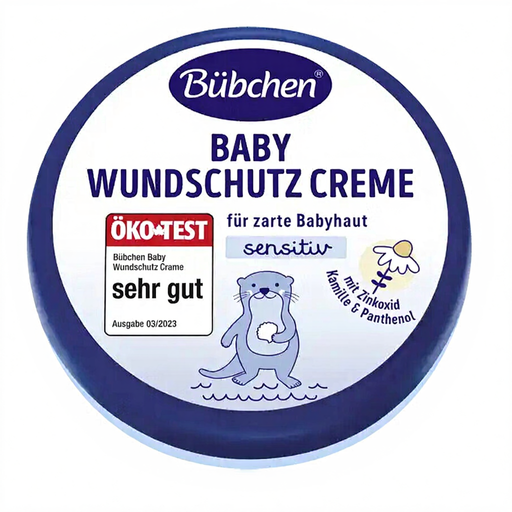
Why This Fits Their Persona: Ideal for parents looking for a reliable cream for daily, preventive care. The formula is designed to support the skin barrier and prevent redness before it starts.
This cream avoids the "wrong consistency" trap. It spreads easily and forms a breathable protective film without being too thick or sticky. According to the manufacturer, it is also free of silicones and dyes.
Contains a moisture-protection complex with zinc oxide, chamomile, and panthenol. Supports the natural skin barrier and has a soothing effect on the skin.
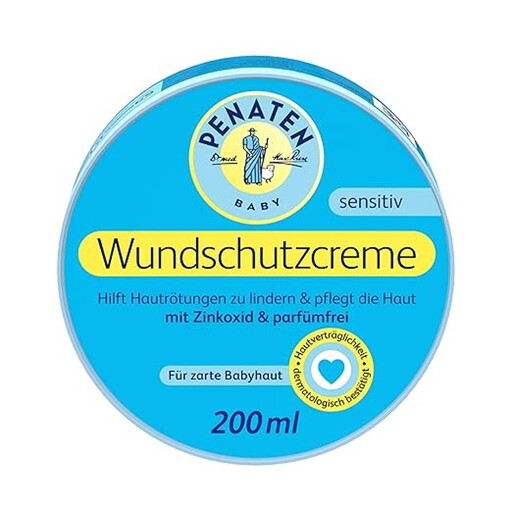
Why This Fits Their Persona: Specially developed for the needs of newborns. The fragrance-free formula is designed for the care of very sensitive skin prone to redness.
This product consistently avoids the fragrance trap. By omitting perfume, it minimises the risk of skin irritation for particularly sensitive skin. Its skin compatibility is dermatologically confirmed.
Provides immediate protection with a breathable protective film, according to the manufacturer. The formula with zinc oxide, natural lanolin, and shea butter helps to soothe redness and moisturise the skin.
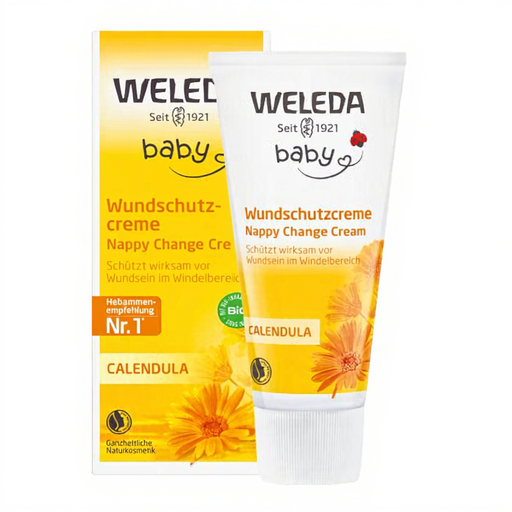
Why This Fits Their Persona: For parents who value certified natural cosmetics and ingredients from organic farming. This cream combines traditional medicinal plants with reliable moisture protection.
This product avoids the "natural cosmetics" trap through transparent certification. It uses valuable plant oils from controlled organic cultivation and is free from synthetic additives.
Nourishes irritated skin with extracts of organic calendula and chamomile flowers. Pure beeswax and skin-related wool wax (lanolin), together with zinc oxide, offer comprehensive protection against wetness.
We've compiled a complete, up-to-date list of products that meet these strict selection criteria and safety requirements.
Ideally, a diaper rash cream should be applied to clean, dry skin at every diaper change, especially if the skin is prone to redness. For already irritated skin, consistent application is important to give the skin a chance to regenerate. A thin layer is usually sufficient.
Yes, but with caution. Creams that are very greasy or have a high zinc oxide content can impair the absorbency of cloth diapers by clogging the fibres. It is recommended to use a thin fleece liner (diaper liner) as a barrier between the creamed skin and the cloth diaper. This prevents the cream from getting directly into the diaper's fabric.
The onset of diaper dermatitis typically manifests as mild to moderate redness in the diaper area. The skin may feel warm and slightly swollen. In some cases, small pimples or pustules may also appear. The affected areas are usually the parts of the skin that have direct contact with the wet diaper, such as the buttocks, thighs, and genital area. At the first signs, the skin should be kept particularly dry and a protective cream should be used. If symptoms persist or worsen, a paediatrician or midwife should be consulted.