
Lieferung heute & morgen

Qualitätsgarantie

Willkommens-Angebote freischalten: KOSTENLOSE Lieferung | Bis zu 80 % RABATT | Kostenlose 30-Tage-JoyPlus-Testphase
App herunterladen
The search for the right digital camera can quickly become overwhelming. Manufacturers tout ever-increasing megapixel counts, impressive zoom factors, and 4K video recording. However, not every advertised feature delivers on its promises in practice. As your Joybuy Product Recommendation Officer, I'll help you recognise common marketing traps and make an informed decision that suits your needs and budget.
Before we look at the crucial features, let's shed light on the pitfalls that often lead to disappointment.
To make a sound choice, focus on the following three technical features.
The sensor size is the heart of any camera and is the primary determinant of image quality.
The lens is the eye of the camera. The key distinction here is between fixed and interchangeable lenses.
For dynamic photos and especially for video recording, a reliable autofocus system is essential.
Here are some models that are well-suited for specific requirement profiles based on objective features.
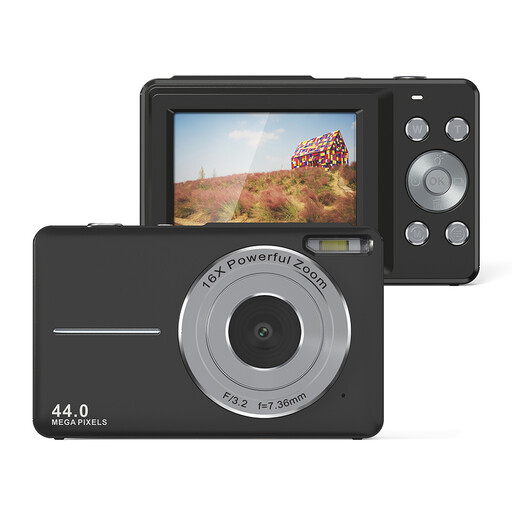
Why this model is a good fit: This camera is a very affordable digital camera, perfect for users who want to gain their first experience in photography without a large investment. Its compact size and simple operation make it an uncomplicated companion for everyday life.
The model uses a digital zoom. This is a good starting point for learning the basics and understanding the difference compared to the lossless optical magnification found in higher-priced cameras.
Very low entry price and simple point-and-shoot functionality. Also serves as a webcam.
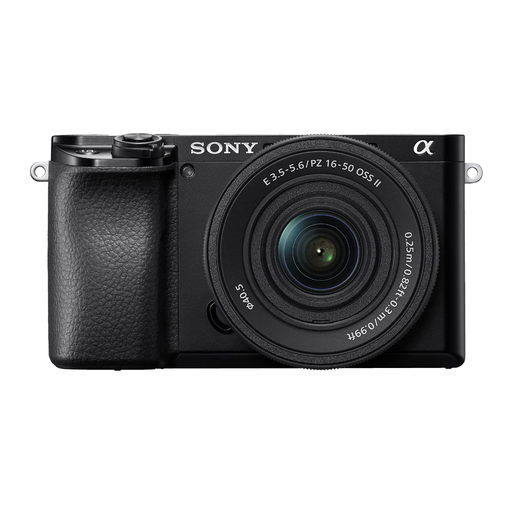
Why this model is a good fit: This mirrorless camera is ideal for vloggers and content creators who need high image and video quality. The tilting screen, fast autofocus, and the ability to change lenses make it a versatile vlogging camera.
Instead of relying on a high megapixel count, this model uses a large APS-C sensor for superior image quality. The 4K footage is detailed, and the eye-tracking autofocus works reliably, avoiding the typical weaknesses of cheaper 4K cameras.
Very fast autofocus (0.02s response time according to Sony) and the flexibility of interchangeable lenses.
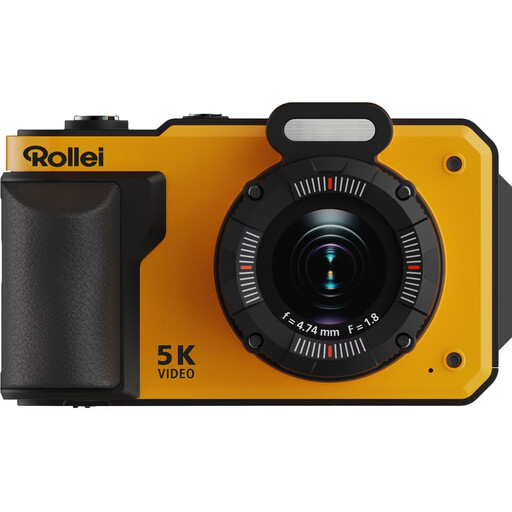
Why this model is a good fit: This rugged **action cam** is for anyone who takes their camera hiking, snorkelling, or cycling. It's designed as a **travel camera** for active holidays and can withstand demanding conditions.
The focus here is clearly on durability. The camera is IP68 waterproof down to 8 metres—an objectively verifiable feature. The electronic image stabilisation (EIS) ensures smoother videos during action shots, which is a practical benefit.
Waterproof to 8 metres without an additional housing and records 5K video.
We've compiled a full, up-to-date selection of products that meet these selection criteria.
1. How many megapixels does a good digital camera really need? For most applications, including large prints, 12 to 24 megapixels are perfectly sufficient when paired with a high-quality sensor and lens. A higher megapixel count is only beneficial when combined with a correspondingly large sensor (e.g., APS-C or full-frame). Focus on the sensor size rather than the raw megapixel number.
2. What is the difference between optical and digital zoom?Optical zoom is achieved by the physical movement of lens elements within the lens. It magnifies the subject losslessly, preserving the full image quality. Digital zoom is essentially just a software-based crop of an already captured image area. This always results in a visible loss of sharpness and detail. For high-quality zoom shots, optical zoom is crucial.
3. Is a compact camera enough for a beginner, or should it be a mirrorless camera? That depends on your goals. A compact camera is an excellent camera for beginners looking for a simple, straightforward solution for travel and everyday life. However, if you plan to dive deeper into photography, want creative control, and are willing to invest in more lenses in the future, a mirrorless camera offers significantly more flexibility and potential for your growth.