
Lieferung heute & morgen

Qualitätsgarantie

Willkommens-Angebote freischalten: KOSTENLOSE Lieferung | Bis zu 80 % RABATT | Kostenlose 30-Tage-JoyPlus-Testphase
App herunterladen
The selection of dish soaps on the shelf can be overwhelming. From concentrates and organic formulas to special products for sensitive skin, finding the right dish soap isn't always easy. This guide is designed to help you make an informed decision. As your Joybuy Product Recommendation Officer, I've compiled the most important criteria and product features to give you clear guidance for your next purchase.
Before you choose a product, a few considerations can make the selection easier. The following points will help you identify the right dish soap for your individual needs.
A dish soap's composition is crucial, especially if you have sensitive skin or members of your household have allergies. A skin-friendly dish soap is often characterized by a neutral pH value (around 5.5) and the absence of harsh chemicals. Products that are fragrance-free and dye-free minimize the risk of skin irritation. Look for labels like "hypoallergenic" or "dermatologically tested". For eco-conscious buyers, vegan certified and biodegradable ingredients are also relevant.
A dish soap concentrate contains a higher density of active cleaning agents (surfactants). This means that just a small amount is enough to deliver powerful grease-cutting action. While the price per bottle may be higher, concentrates often prove to be more economical in the long run. This not only saves you money but also reduces packaging waste. So, if you want to shop on a budget, it's worth looking at the product's efficiency and recommended dosage.
Specialized products are available for specific needs. An organic dish soap is often based on plant-based surfactants and is fully biodegradable, which protects our waterways. The sustainable aspect also frequently extends to the packaging, such as bottles made from recycled material.
For parents, a baby dish soap is a sensible choice. These products are specially designed for cleaning baby bottles, nipples, and toys. They reliably remove milk and purée residues while being exceptionally mild and rinsing away completely to protect the child's health.
Based on the criteria mentioned above, we have put together a selection of products that cover a range of different needs.
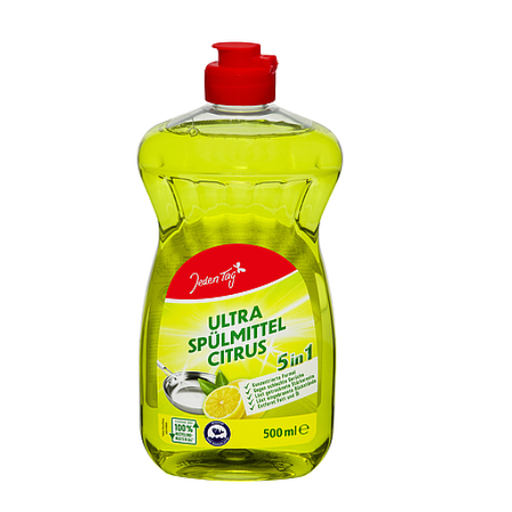
What makes it special: Jeden Tag Dish Soap Ultra Lemon is a highly effective concentrate developed for daily use. Its formula is designed to powerfully dissolve grease and dried-on food, ensuring sparkling clean dishes.
Benefits:
Best for: This product is a great choice for budget-conscious households looking for a powerful and economical everyday dish soap.
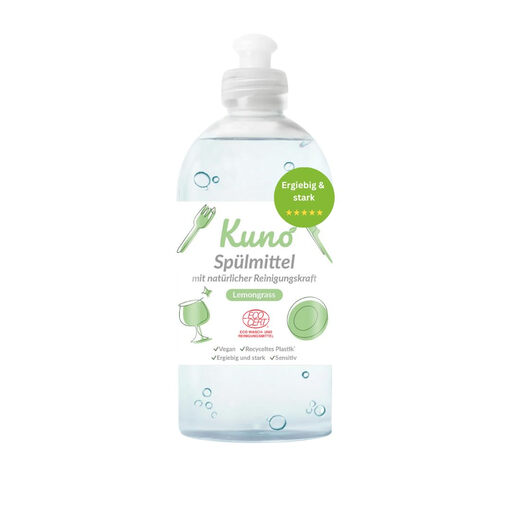
What makes it special: Kuno Dish Soap combines cleaning power with eco- and skin-friendly properties. It is based on surfactants from natural sources, is biodegradable, and contains nourishing urea to protect the skin. The packaging underscores its sustainable approach.
Benefits:
Best for: Ideal for eco-conscious consumers, vegans, and individuals with sensitive skin who prefer a sustainable and skin-friendly dish soap.
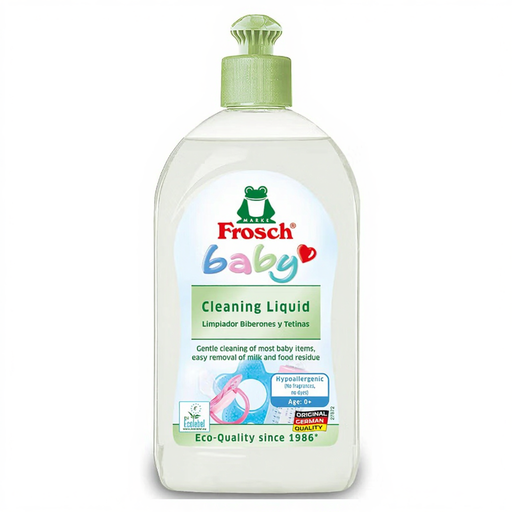
What makes it special: This washing-up liquid from Frosch was specially developed for the safe cleaning of baby accessories. The hypoallergenic formula removes milk, purée, and juice residues from baby items without leaving behind any harmful residues.
Benefits:
Best for: An essential choice for parents of infants and toddlers, as well as for allergy sufferers who need an exceptionally mild and safe baby dish soap.
Didn't find the right product for you? Our range includes a wider selection of cleaning agents for various needs and preferences.
Discover more options in our Liquid Kitchen Cleaners category.
1. What is the difference between regular dish soap and a dish soap concentrate? A dish soap concentrate has a higher concentration of active cleaning agents (surfactants). As a result, you need a smaller amount of product per wash compared to a conventional dish soap. This not only makes it more economical but can also help save on packaging material.
2. Can I use any dish soap for baby bottles? It is recommended to use a special baby dish soap. These products are formulated to be free of potentially irritating substances like perfumes, dyes, or harsh preservatives. They also rinse off particularly easily and without residue, which is important since babies put the cleaned items directly into their mouths.
3. How can I identify a skin-friendly dish soap? You can identify a skin-friendly dish soap by several features. Look for labels like "dermatologically tested," "hypoallergenic," or a specified pH value of around 5.5 (pH-neutral). A look at the ingredients list is also helpful: the absence of fragrances and dyes, as well as the addition of nourishing substances like aloe vera or urea, are good indicators.