
Lieferung heute & morgen

Qualitätsgarantie

Willkommens-Angebote freischalten: KOSTENLOSE Lieferung | Bis zu 80 % RABATT | Kostenlose 30-Tage-JoyPlus-Testphase
App herunterladen
A "DIY Bouncy Ball Kit" promises creative fun and an exciting result: homemade, bouncing balls. But the selection is vast, and not every kit delivers on the promise of its colorful packaging. Many parents and gift-givers are left disappointed when the craft project fails or the results are subpar. This guide will help you avoid common pitfalls and find a kit that will make children's eyes light up.
Before you make a decision, you should be aware of the three most common problems that occur with cheap or poorly designed kits:
To avoid these problems, you should check three key aspects before buying. These features separate high-quality kits from unsuitable products.
A good DIY bouncy ball kit should include all the materials necessary for the experiment. Make sure the following are explicitly listed in the contents:
Kits that include these components allow for an immediate and smooth start to the crafting adventure.
For a science kit for kids ages 8 and up, the clarity of the instructions is critical. Look for kits with step-by-step, illustrated explanations. Another key point is safety. The product should bear the CE mark, confirming it meets EU safety standards. The materials used, especially the granules, must be declared non-toxic. This is an indispensable criterion for a safe gift for school-aged children.
The bouncing properties of the finished ball depend directly on the polymer used. Brand-name manufacturers invest in a composition that ensures good elasticity. Themed kits, such as a planet-themed craft toy, offer additional value. They combine the creative process with knowledge transfer and stimulate the imagination beyond just the craft itself.
Based on the criteria above, we have compiled a selection of products suitable for different interests and occasions. Our main recommendation focuses on a bouncy ball kit, supplemented by alternatives for other creative preferences.
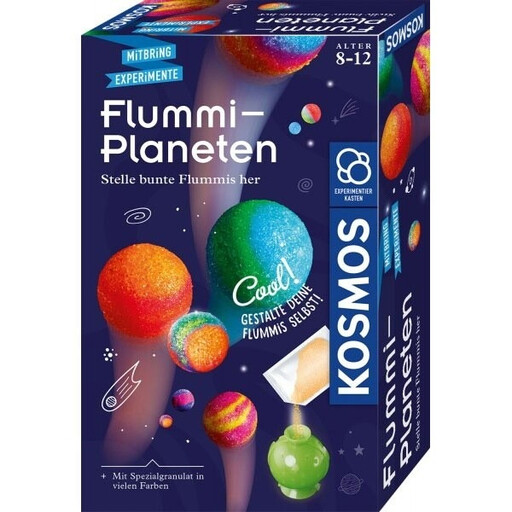
Why This Fits Their Persona: This kit is ideal for children who not only want to craft but also want to learn. It combines making bouncy balls with exciting information about our solar system, making it a classic science kit for kids ages 8 and up.
According to the manufacturer, the color-illustrated instructions are child-friendly and contain additional information, which avoids the pitfall of poor instructions. As a complete kit from Kosmos, it includes all the necessary materials.
Combines creative crafting with STEM learning content (astronomy). The kit includes granules in 5 colors and molds for planets.
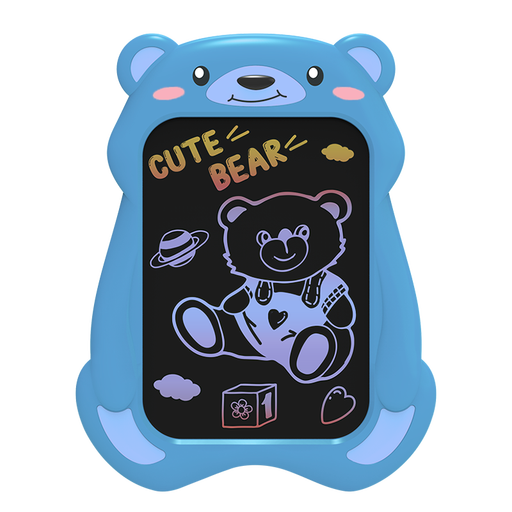
Why This Fits Their Persona: For children who love to draw and paint but prefer a clean and reusable alternative to paper or messy craft kits. Ideal for on the go, in the car, or at a restaurant.
This product bypasses the trap of "single-use craft kits" that only create waste after use. It is a self-contained, complete system with no consumables.
Promotes creativity without mess or waste. The screen can be cleared at the touch of a button and is immediately ready for use again. Lightweight and durable for mobile use.
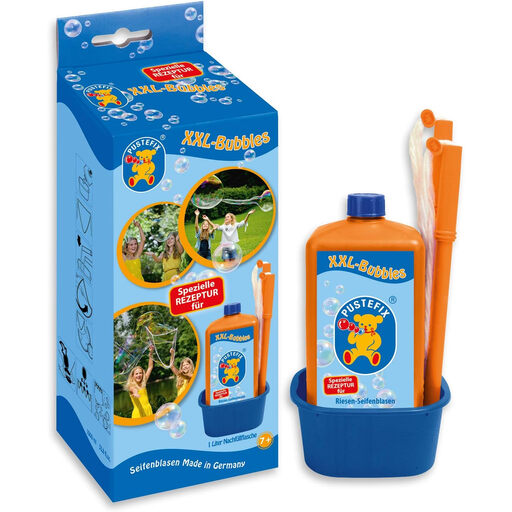
Why This Fits Their Persona: An excellent choice for children's birthday parties or as an outdoor activity. Instead of a single craft project, this set offers long-lasting fun for a whole group.
PUSTEFIX is a legacy German brand known for its high-quality bubble solution. This avoids the disappointment caused by inferior materials that don't produce good results.
Creates impressive giant soap bubbles. The ready-to-use 1000 ml bottle provides long-lasting fun and is ideal for parties and outdoor events.
We've curated a complete, up-to-date list of products that fully meet these strict selection criteria and German safety regulations.
1. How long does it take for the homemade bouncy balls to dry and be ready to use? The drying time varies by manufacturer and kit. Typically, after mixing with water, the granules need to harden in the mold for about 15 to 30 minutes. It is then recommended to let the balls air-dry for another one to two hours to develop their full bounce. You will always find precise details in the product's instructions.
2. Are the ingredients in a DIY bouncy ball kit safe for children? Kits sold in Germany and the EU must meet strict safety requirements. Products with a CE mark generally use non-toxic materials, usually a polyvinyl alcohol granulate. Nevertheless, children, especially at the lower end of the 8-year-old age recommendation, should be supervised by an adult during the experiment to prevent accidental ingestion of materials.
3. How long do the homemade bouncy balls last? The durability of the finished bouncy balls depends on the quality of the granules and how they are used. Well-made bouncy balls can provide fun for weeks or even months. However, the craft kit itself is designed as a one-time activity, as the granules are used up during production. Some manufacturers may offer refill packs, but this is rather the exception.