
Lieferung heute & morgen

Qualitätsgarantie

Willkommens-Angebote freischalten: KOSTENLOSE Lieferung | Bis zu 80 % RABATT | Kostenlose 30-Tage-JoyPlus-Testphase
App herunterladen
The selection of dolls for children is vast and can quickly become overwhelming. From classic baby dolls to elaborate doll playsets, finding the right model that not only brings joy but is also safe and durable is a challenge. Many products promise more than they deliver, leading to disappointment for children and unnecessary expenses for parents.
As your Joybuy Product Recommendation Officer, I'm here to help you spot the common pitfalls. Instead of relying on marketing promises, we'll focus on the facts. This ensures you make a well-considered choice that truly meets your child's play needs and age.
To avoid a bad buy, you should focus on objective criteria that guarantee long-term play value and safety.
Safety is the most important criterion. Always look for the CE mark, which confirms that the product complies with EU safety standards. For the youngest children (under 3), soft dolls made from safe, washable fabrics like cotton or polyester are ideal. They should not have any small, swallowable parts like sewn-on buttons or plastic eyes. For dolls intended for older children, such as fashion dolls made of plastic, it's wise to look for labels like "BPA-free" and choose products from established manufacturers who are transparent about their materials.
A good doll stimulates the imagination and offers versatile play options. Check if the doll is part of a larger system. Are there matching doll accessories, interchangeable clothes, or complementary doll playsets? A doll with a horse or a dollhouse opens up entirely new worlds of play and ensures long-lasting engagement. Brands like Barbie or Playmobil offer extensive, thematically matched expansions that encourage creative role-playing.
Robust construction is crucial for longevity. For cloth dolls, the seams should be secure and the filling should hold its shape. Being machine washable at 30°C is a major advantage for hygiene. For plastic dolls, the quality of the hair and the mobility of the joints are key indicators. Can the hair be combed easily without matting? Are the joints sturdy enough for frequent dressing and undressing? These details determine whether the doll will still be a source of joy after months of intensive play.
Instead of a confusing list, we present a few models tailored to specific age groups and play preferences.
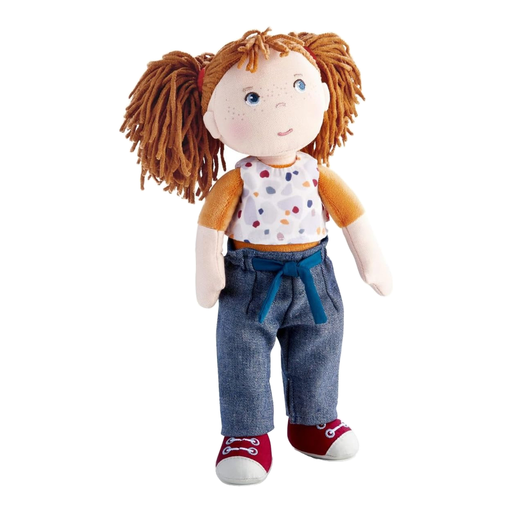
Why it's a great fit: Malou is designed as a first doll for toddlers. Her soft body and embroidered face are ideal for cuddling and early role-playing without overwhelming the child.
It avoids the pitfall of being the wrong type of doll. As a soft doll with no small parts that could be swallowed, it is perfectly tailored to the motor skills and safety needs of children from 1.5 years old.
Made from high-quality materials (cotton/polyester) by a renowned German manufacturer. The doll is washable at 30°C, ensuring good hygiene.
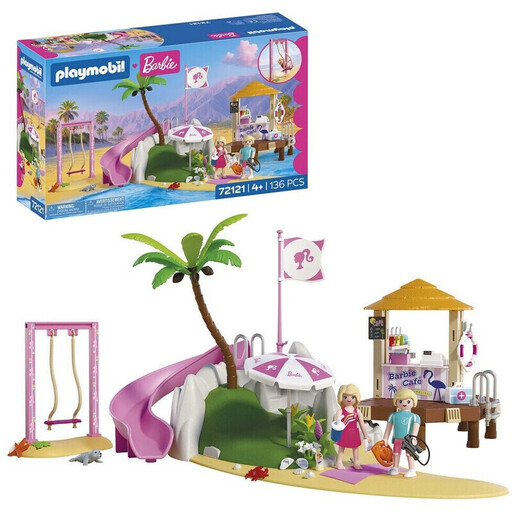
Why it's a great fit: This set is more than just a doll—it's an entire world of play. It combines the well-known characters Barbie and Ken with the detailed environment of Playmobil, encouraging complex role-playing scenarios.
It avoids the pitfall of short-lived fun. With 136 pieces, including figures, animals, and extensive doll accessories, this doll playset offers countless possibilities and remains engaging for a long time.
High play value from the combination of two popular brands. Fosters creativity and social play. The individual elements are robust and durable, as expected from Playmobil.
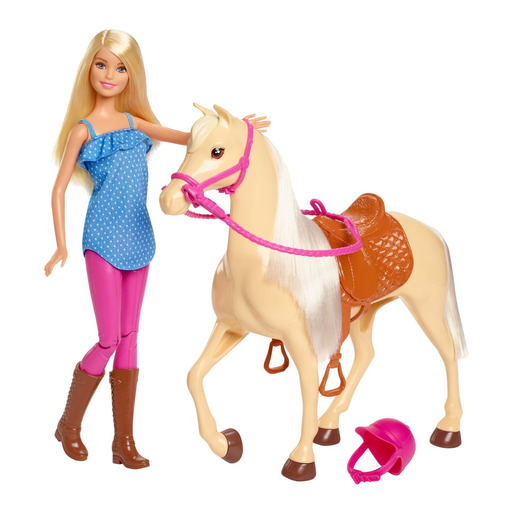
Why it's a great fit: This set specifically caters to the popular theme of horse riding. The combination of a Barbie doll with a horse and matching riding accessories provides a clear focus for imaginative adventures.
This isn't a generic toy, but a thematically focused set. This ensures it directly appeals to a child's specific interests, increasing the likelihood of long-lasting play.
The set is ready to play right out of the box and includes everything needed (doll, horse, helmet, saddle). The Barbie doll has bendable knees, allowing her to sit realistically on the horse.
We have compiled a comprehensive, up-to-date list of products that meet these strict selection criteria and safety regulations.
Dolls are beneficial from as early as 1.5 years old. For toddlers, simple soft dolls without small parts are suitable, encouraging grasping and cuddling. From around age 3, fashion dolls and baby dolls with functions like drinking or crying become interesting. For preschool and primary school-aged children, complex doll playsets and fashion dolls like Barbie dolls are ideal, as they promote social role-playing and creativity.
Proper care depends on the material. Soft dolls made of fabric are often machine washable—check the manufacturer's label for instructions. A gentle cycle at 30°C is usually recommended. Plastic dolls and accessories can be wiped down with a damp cloth and mild soapy water. Doll hair should be gently combed from the tips upwards with a small brush or a wide-toothed comb to prevent matting.
The most important feature is the CE mark on the packaging. It indicates that the manufacturer declares compliance with EU safety standards. Additional assurance is provided by recognised certification marks like the "GS mark" for tested safety or the "spiel gut" (good toy) seal, which evaluates pedagogical value. With products from well-known brands like HABA, Playmobil, or Mattel, you can generally assume they comply with the strict legal requirements for toys.