
Lieferung heute & morgen

Qualitätsgarantie

Willkommens-Angebote freischalten: KOSTENLOSE Lieferung | Bis zu 80 % RABATT | Kostenlose 30-Tage-JoyPlus-Testphase
App herunterladen
Hello, I'm Joybuy, your Product Recommendation Officer. My mission is to help you make clear and informed purchasing decisions. If you're looking for a convenient and fruity snack alternative, you've come to the right place. The market for dried mango is diverse—from naturally sweet strips to savoury Asian varieties. This guide is designed to give you an overview of the different options and help you find the perfect product for your taste and needs.
The variety of dried mango can be overwhelming. To make the right choice, it helps to know a few key criteria. Here are three points to make your decision easier.
A crucial difference in dried mangoes lies in added sugar. Many consumers prefer dried mango with no added sugar to enjoy the pure, natural fruit flavour. These products contain only the sugar naturally present in the fruit. Other varieties are treated with additional sugar, glucose, or malt syrup to intensify the sweetness or alter the texture. A quick look at the ingredients list will clarify this. Also, watch out for preservatives like sodium metabisulphite (sulphur dioxide), which is often used to preserve colour and extend shelf life.
The way the mango is cut has a direct impact on the chewing experience. Mango strips are often a bit firmer and chewier, making them a long-lasting snack. Larger, flat slices, on the other hand, are usually softer and juicier. The texture is also determined by the drying process. A gently dehydrated mango often retains more of its original softness. Whether you prefer a fibrous or a smooth, almost confection-like consistency is a matter of personal preference.
While classic dried mango is known for its intense sweetness, there are also exciting alternatives. The Asian dried fruits category, in particular, features innovative flavour combinations. A sweet and spicy snack with chilli and salt offers a completely new taste experience and appeals to those looking for variety. Consider whether you want to enjoy the dried mango on its own, mix it into muesli, or use it as an exotic ingredient in cooking and baking—this can influence your choice of flavour profile.
Based on the criteria above, we've compiled a selection of different dried mango products that cater to various preferences and uses.

Why It Stands Out: These mango slices offer an exceptional taste experience, combining sweet, salty, and spicy notes. The fruits are sourced from Southeast Asia and processed in a dedicated factory in Cambodia. The texture is particularly soft and hardly fibrous.
Pros:
Who It's For: For adventurous snack lovers who are looking for an alternative to purely sweet dried fruits and appreciate the complexity of an Asian sweet and spicy snack.
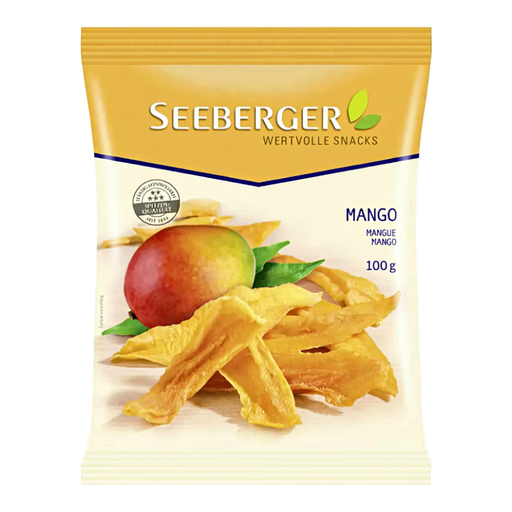
Why It Stands Out: Seeberger is a well-known brand that stands for quality. These mango strips come with no added sugar, allowing the natural sweetness of sun-ripened fruits from South Africa and South America to shine through.
Pros:
Who It's For: For purists and health-conscious consumers who prefer dried mango without additional sweeteners and value an established brand.

Why It Stands Out: With a 500g content, this pack is ideal for regular consumption or for sharing with the family. The mango pieces are thick, juicy, and have a balanced sweet and sour flavour.
Pros:
Who It's For: Ideal for families, flat-shares, or anyone who regularly buys dried mango and wants to stock up. A versatile snack for all ages.
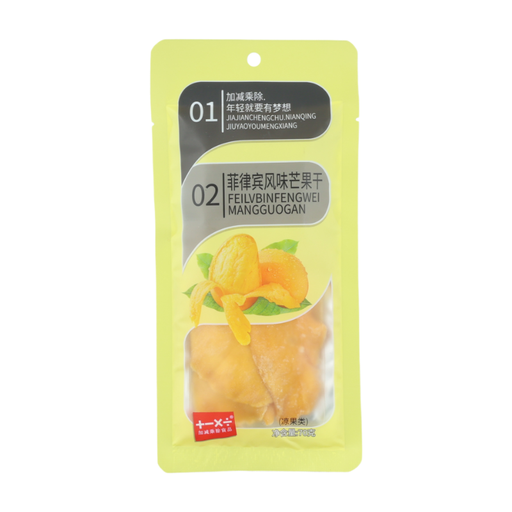
Why It Stands Out: These Philippine-style dried mangoes are distinguished by a particularly high fruit content of 90%. They are soft, aromatic, and offer an authentic tropical flavour without artificial colours.
Pros:
Who It's For: For snack enthusiasts who appreciate the classic, soft, and aromatic taste of Philippine-style mangoes and are looking for a product with a high fruit content.
Didn't see your favourite type, or just want to browse further? In our Sweet Mango category, you'll find an even wider selection of dried mango products and other fruity snacks.
1. Are dried mangoes a healthy snack option? Dried mangoes are a source of fibre and vitamins. However, since the water has been removed, the sugar and calories are more concentrated than in fresh fruit. They can be a good alternative to processed sweets. Those watching their sugar intake can specifically choose products with no added sugar.
2. What is the best way to store dried mango? To preserve their freshness and texture, you should store dried mangoes in a cool, dry place, protected from direct sunlight. After opening the package, it is advisable to store the fruit in an airtight container and consume it promptly.
3. What is the difference between 'dehydrated' and 'dried' mango? The terms 'dehydrated' and 'dried' are often used interchangeably. Both describe the process of removing water to preserve food. In German, the specific term 'D?rren' is also used for this process. In practice, there is generally no significant difference between a dehydrated mango and a dried one.