
Lieferung heute & morgen

Qualitätsgarantie

Willkommens-Angebote freischalten: KOSTENLOSE Lieferung | Bis zu 80 % RABATT | Kostenlose 30-Tage-JoyPlus-Testphase
App herunterladen
Dried mango has established itself as a popular snack. It offers a fruity alternative to traditional sweets and is convenient for on-the-go snacking. However, the range of products is diverse, from all-natural mango strips to varieties with added flavours. This article serves as a guide to help you navigate the options. It introduces different product types and provides objective information to help you make the right choice for your taste and needs.
Choosing the right product depends on personal preference. Three criteria can make the decision easier.
A key differentiator is the sugar content.
The form in which the mango is dried influences the eating experience.
The texture can range from soft and juicy to firm and tough. The product description often provides information on the expected consistency.
A look at the ingredients list reveals any potential additives. Some manufacturers use sulphur dioxide (often declared as sodium metabisulphite) to preserve the fruit's vibrant orange colour and extend its shelf life. Those who wish to avoid such additives should specifically look for unsulphured products. These often have a darker, brownish colour, which is a natural characteristic of the drying process without preservatives.
Here is a compilation of different products that reflect the diversity of the market. The selection is based on objective product features.
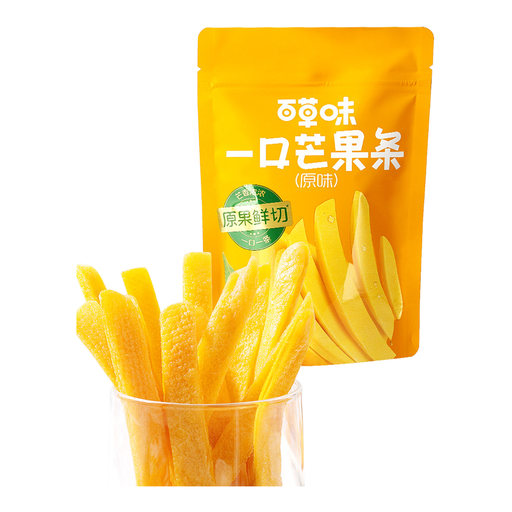
What makes this product stand out: These mango strips from the brand Be&Cheery are made from freshly cut mangos and are additionally sweetened, giving them a soft, chewy texture and a distinctly sweet flavour. The 80g pack is designed as a convenient snack for in-between meals.
Product Features:
Who is it for? This product is aimed at consumers looking for a sweet, confectionery-style mango snack who prefer a soft, easy-to-chew consistency. It is a great choice for anyone who enjoys the classic taste of sweetened dried fruits.
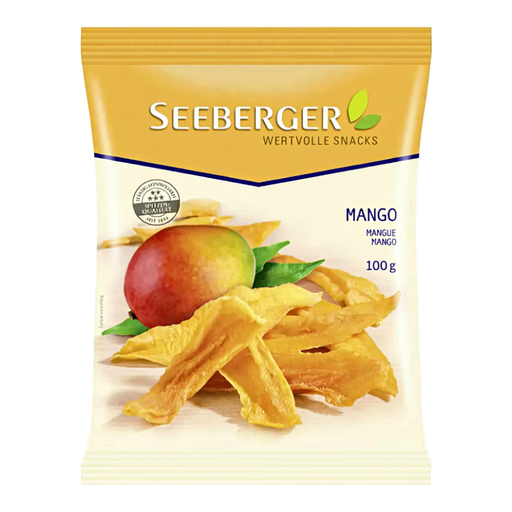
What makes this product stand out: The dried mango from Seeberger contains no added sugar. The sweetness comes exclusively from the sun-ripened fruits. The large fruit strips are treated with sodium metabisulphite to preserve their colour and are packaged in a protective atmosphere. According to the manufacturer, the packaging is 100% recyclable.
Product Features:
Who is it for? Ideal for purists and health-conscious consumers who prefer the natural, intense flavour of dried mango with no sugar. Anyone who values an ingredients list without added sugar will find a suitable option here.
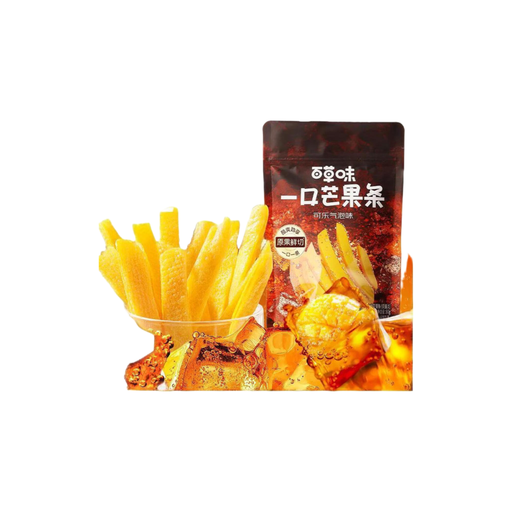
What makes this product stand out: This product from Be&Cheery combines the taste of mango with a cola flavour and a fizzy sensation, created by a special seasoning mix (containing sodium bicarbonate, among other things). The bite-sized strips offer a novel taste experience.
Product Features:
Who is it for? This product appeals to adventurous snack lovers who are looking for new and unusual flavour combinations. It is an interesting choice for anyone who wants to try Asian confectionery and innovative mango snacks.
The products presented here show only a small fraction of the available varieties. If you want to discover other types of dried fruits or different brands, you can find a wider selection in our category.
? Discover more seeds and dried fruits here
1. How should I store dried mango properly? To maintain freshness and texture, dried mango should be stored in a cool, dry, and dark place. After opening, it is advisable to reseal the packaging tightly or transfer the contents to an airtight container. This prevents it from drying out and preserves the aroma.
2. Is dried mango a healthy snack? Dried mango is concentrated fruit and therefore contains fibre, vitamins, and minerals. However, due to the removal of water, the sugar and calorie content per 100g is higher than in fresh mango. Products with no added sugar are generally the more nutritionally balanced choice. As with all snacks, portion size is key.
3. What is the difference between dried and freeze-dried mango? The main difference lies in the manufacturing process. In conventional drying, water is removed from the fruit through the application of heat, resulting in a chewy, dense texture. In freeze-drying, the fruit is deep-frozen, and the water is removed under a vacuum (sublimation). The result is a very light, crisp, and porous texture that preserves the original flavour and a large portion of the nutrients.