
Lieferung heute & morgen

Qualitätsgarantie

Willkommens-Angebote freischalten: KOSTENLOSE Lieferung | Bis zu 80 % RABATT | Kostenlose 30-Tage-JoyPlus-Testphase
App herunterladen
The aroma of freshly brewed coffee is an essential part of daily life for many. A drip coffee maker with a glass carafe is a classic in kitchens everywhere: straightforward, efficient, and reliable. But the buying process has hidden pitfalls that often only become apparent after a few weeks—from bitter coffee to a surprisingly high cleaning effort. As your Joybuy Product Recommendation Officer, I'll help you distinguish marketing promises from genuine product features to make an informed decision.
Before we dive into the important features, let's look at the typical problems that lead to dissatisfaction.
To avoid a bad buy, you should focus on verifiable technical specifications rather than advertising slogans.
The quality of your coffee depends heavily on the brewing temperature. The optimal range is between 92°C and 96°C (198°F and 205°F). Only within this window are the aromatic compounds ideally extracted from the coffee grounds without overpowering bitter notes. The keep-warm function is just as important. A good machine will have an automatic shut-off for the hotplate, typically after 30 to 40 minutes. This not only preserves the flavour but also increases safety and reduces energy consumption. Models with a programmable coffee maker with a timer offer added convenience by having your coffee ready at the desired time.
The specified cup count can be misleading. One "cup" usually corresponds to a volume of just 125 ml (about 4.2 oz). Therefore, a 10-cup coffee maker holds approximately 1.25 litres. Pay attention to the capacity in litres to accurately gauge the actual volume. For daily use, two features are particularly relevant:
Some features offer real added value. A drip coffee maker with a grinder is an excellent choice for anyone who prioritises maximum freshness. The aroma of freshly ground beans is unparalleled. Look for an adjustable grinder, ideally made of ceramic, to customise the grind size to the bean type and your personal preference. An adjustable aroma selection can also be useful if it offers clearly defined levels (e.g., mild, medium, strong) that demonstrably influence the brewing process. Reputable manufacturers like Melitta Kaffeemaschine or Bosch Kaffeemaschine often provide transparent and functional solutions here.
Here are some models that are well-suited for different user profiles based on their objective features.
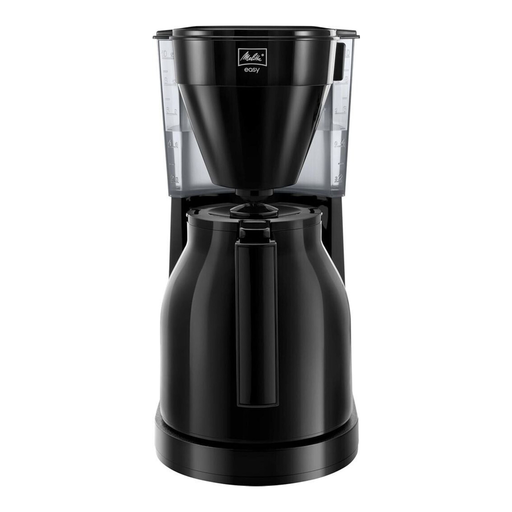
Why this model is a great fit: Ideal for households looking for a reliable and straightforward machine for daily use. It focuses on core functions without unnecessary frills.
This model forgoes vague "aroma" buttons. The removable swing filter and straightforward construction make cleaning easy and prevent hidden grime.
Features a practical drip-stop and an automatic shut-off. Its space-saving design also fits into smaller kitchens.
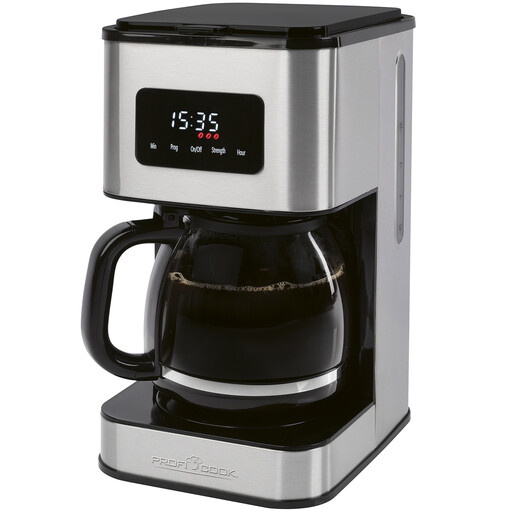
Why this model is a great fit: Perfect for anyone who wants to wake up to the smell of coffee and values adjustable coffee strength. Its large capacity is also suitable for offices or families.
The aroma selection here isn't a vague feature but a clearly defined electronic choice with 3 levels (Mild, Medium, Strong). The programmable timer is a tangible convenience.
Programmable 24-hour timer with an LED display, sensor-touch controls, and a large capacity for up to 14 cups (approx. 1.5 litres).
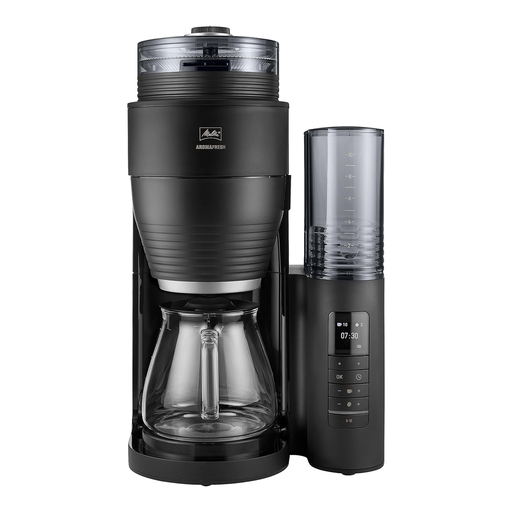
Why this model is a great fit: For coffee connoisseurs who will only settle for freshly ground beans. This model combines the convenience of a drip machine with the quality of an integrated grinder.
The main advantage—the grinder—is a tangible feature, not an empty marketing phrase. The removable water tank and detachable grinder make cleaning significantly easier.
Integrated, adjustable ceramic grinder with 11 grind settings, 5 coffee strength levels, and a timer function for maximum convenience and flavour.
For manual brewing methods or alternative designs, we have curated a comprehensive selection of products that meet our criteria for quality and functionality.
The frequency depends on the water hardness in your area and how often you use it. As a general rule, it's recommended to descale the machine every two to three months. Many modern devices, like some models from Bosch Kaffeemaschine, have an indicator that reminds you when it's time to descale. Regular descaling ensures a consistent brewing temperature and extends the appliance's lifespan.
This specification refers to small coffee cups with a volume of about 125 ml (4.2 oz). A 10-cup coffee maker therefore brews a total of about 1.25 litres of coffee. If you drink from larger mugs (approx. 250–300 ml or 8.5-10 oz), the amount is enough for about 4–5 people. Always refer to the water tank's capacity in litres.
Both options have their pros and cons. A glass carafe is easy to clean, and you can always see how much coffee is left. The downside is that the coffee can lose its aroma and become bitter over time on the hotplate. A thermal carafe keeps the coffee warm without external heat and preserves the aroma for longer, but it's often more expensive and harder to clean. For quick consumption at home or in the office, a glass carafe with a well-regulated keep-warm function and automatic shut-off is a very good and practical solution. For an alternative without a hotplate, a French press coffee maker is also a great option.