
Lieferung heute & morgen

Qualitätsgarantie

Willkommens-Angebote freischalten: KOSTENLOSE Lieferung | Bis zu 80 % RABATT | Kostenlose 30-Tage-JoyPlus-Testphase
App herunterladen
Choosing the right dry cat food can be overwhelming, given the sheer number of options on the market. Many packages feature appealing images and tempting promises. However, not every food is equally suitable for every cat. As your Joybuy Product Recommendation Officer, I'll help you identify the important criteria and make an informed decision based on your cat's actual needs.
Many cat owners unknowingly fall into common traps that not only strain their wallets but also neglect their pet's needs.
To avoid falling into these traps, you should check three key aspects before buying. These will help you objectively evaluate product promises and find the right food for your feline friend.
The ingredient list is the most important tool when selecting food. Ingredients are listed in descending order by weight. This means the ingredient listed first is the most abundant.
A cat's nutritional needs change significantly throughout its life.
Here is a selection of products tailored to the different profiles of cats and their owners.
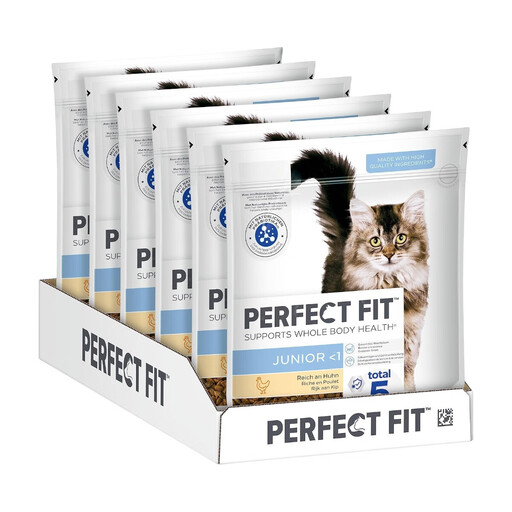
Why it's a great fit: This formula is specially designed for the growth phase of kittens. It provides the increased energy and nutrients required for healthy development in the first few months of life.
It directly addresses the "one-size-fits-all" trap by offering a balanced ratio of calcium and phosphorus for optimal bone development and DHA from fish oil, tailored to the needs of kittens.
According to the manufacturer, it contains the "Total 5" formula, which supports five areas of health: healthy digestion, strong natural defences, urinary tract health, optimal weight, and healthy skin & coat.
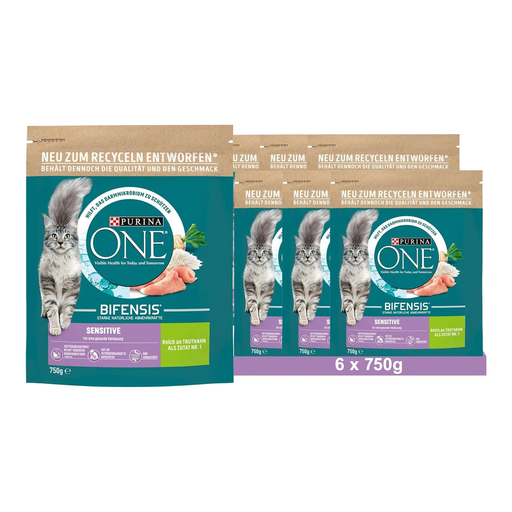
Why it's a great fit: Developed for adult cats with sensitive digestion. The formula, with turkey as the main protein source and prebiotic chicory, aims to support gut flora.
Instead of vague "premium" promises, this food offers a specific solution for a concrete problem. The BIFENSIS formula with lactobacilli is a clearly defined feature from the manufacturer to support natural defences.
According to the manufacturer, the formula contains no added artificial colours, flavours, or preservatives and uses turkey as the main protein source, which can be beneficial for sensitive cats.
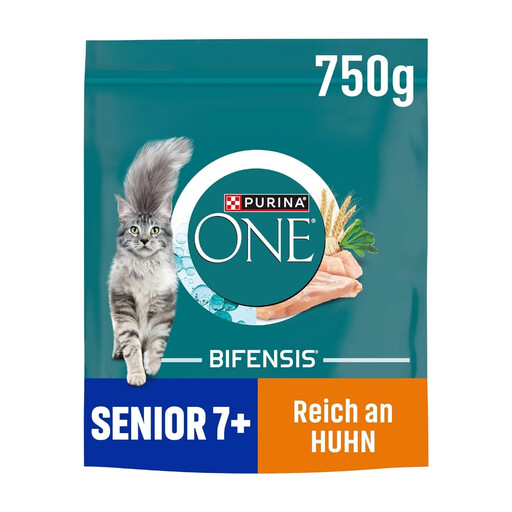
Why it's a great fit: This food is tailored to the needs of cats aged 7 and over. It takes into account their often lower energy requirements and contains nutrients to support health in old age.
It is a clear example of a life-stage-appropriate food, avoiding the trap of feeding a standard adult food to an older cat. The formula is designed to support bones, weight control, and kidney function.
According to the manufacturer, it contains minerals and Vitamin D to support healthy bones, as well as an adapted nutrient profile that facilitates weight management in less active senior cats.
We have compiled a complete, up-to-date list of products that fully meet these strict selection criteria and UK regulations.
1. How do I properly switch my cat's food? A sudden food change can lead to digestive problems. Over a period of 7 to 10 days, gradually mix more and more of the new food with the old food until you have completely replaced it. Start with a ratio of about 25% new to 75% old food and slowly increase the proportion.
2. How much dry food does my cat need per day? The required amount of food depends on your cat's age, weight, breed, and activity level. You will find the manufacturer's feeding guidelines on every food package, which serve as a benchmark. Monitor your cat's weight and adjust the amount as needed to maintain a healthy body weight.
3. How can I tell if my cat is not tolerating the dry food? Signs of intolerance can include digestive issues like diarrhoea or vomiting, skin problems such as itching and hair loss, a dull coat, or a general loss of appetite. If such symptoms appear after a food change and persist, it is advisable to return to the previous food and consult a veterinarian if necessary.