
Lieferung heute & morgen

Qualitätsgarantie

Willkommens-Angebote freischalten: KOSTENLOSE Lieferung | Bis zu 80 % RABATT | Kostenlose 30-Tage-JoyPlus-Testphase
App herunterladen
A high-quality cast iron Dutch oven is an investment for years, if not a lifetime. It's the workhorse for aromatic stews, crusty bread, and tender roasts. But the market is flooded with options, and not every pot that shines delivers on its promise. As your Joybuy Product Recommendation Officer, I'll help you identify the crucial features and avoid common purchasing traps, ensuring your investment truly pays off.
Many buyers are swayed by marketing promises, overlooking critical design flaws that can quickly sour the joy of cooking. Pay special attention to these three points:
To make an informed decision, you should focus on objective, technical features. These three parameters are crucial for the performance and longevity of your Dutch oven.
The quality of a cast iron pot hinges on its ability to retain and distribute heat evenly. A base and wall thickness of at least 4-5 mm is a good benchmark here. A thick base prevents food from scorching and ensures a constant cooking temperature, which is fundamental for slow braising. For those with an induction hob, a flat, thick base is doubly important: it guarantees full contact with the cooktop and efficient energy transfer. A good induction-compatible Dutch oven is therefore always solid and heavy.
An enamelled cast iron pot protects the material from rust and simplifies cleaning. There are two basic types:
Look for multi-layer enamelling, which is a quality indicator for high resistance to chipping.
The lid is more than just a cover. A heavy, tight-fitting lid is critical. Some models, like the Cocotte from Staub, feature a special drip-point structure on the underside. This ensures that condensed steam drips back evenly onto the food, continuously basting it. Also, check the heat resistance of the lid knob. A knob made of stainless steel or heat-resistant phenolic resin that can withstand temperatures of at least 250°C makes the pot fully oven-safe.
Instead of a one-size-fits-all recommendation, we've matched products to different user profiles.
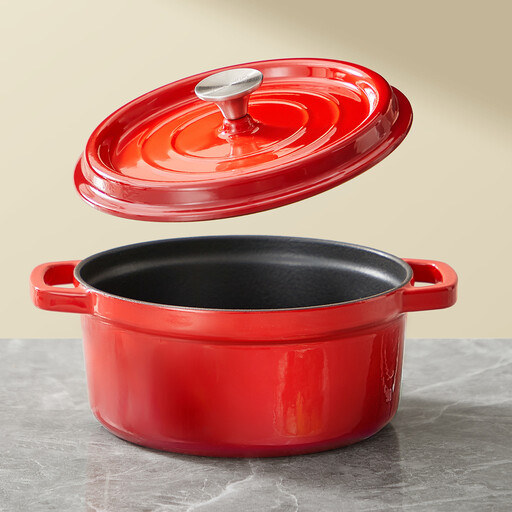
Why It's a Match: Ideal for anyone wanting to discover the benefits of cast iron cooking without a large initial investment. With a 24 cm diameter, this pot offers a versatile size for everyday meals for 2-4 people.
This model focuses on the core function: solid cast iron for excellent heat retention. It helps you avoid buying lightweight, unsuitable pots that are falsely marketed as Dutch ovens.
Solid value for money. The enamelled surface makes cleaning easier compared to raw cast iron.
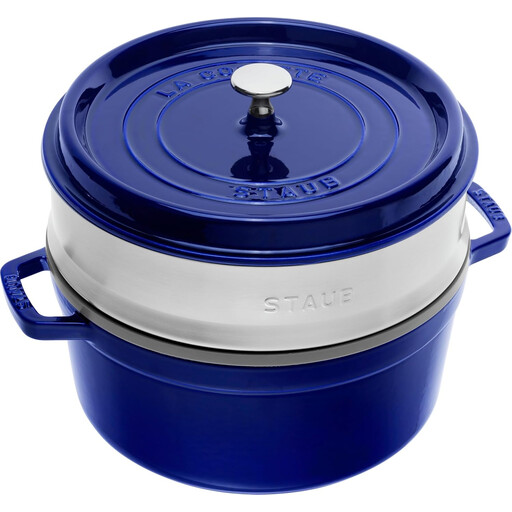
Why It's a Match: For home cooks who value maximum performance, durability, and thoughtful details. The Staub pot is a benchmark for achieving professional results in the home kitchen.
The patented drip-point structure inside the lid creates a closed moisture circuit, avoiding the leaky lid trap. The multi-layer, matte black enamel is extremely resilient.
Self-basting system for succulent results. Robust interior enamel optimised for high-heat searing. Includes a stainless steel steaming insert for added functionality.
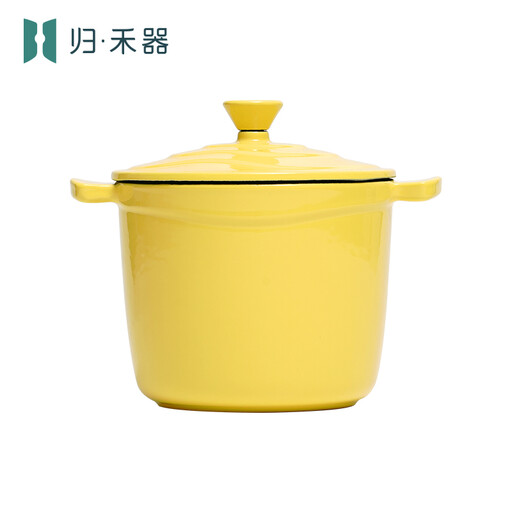
Why It's a Match: Perfectly sized for single portions, reheating soups, preparing sauces, or side dishes. Energy-efficient and space-saving—a sensible addition to any household.
This model avoids the trap of using a pot that's too large and unwieldy for small tasks. It offers the material benefits of cast iron in a practical, needs-based format.
Compact size for high efficiency with small quantities. Has a small footprint on the hob and in the cupboard. Ideal for preparing porridge or small soups.
We have compiled a complete, up-to-date list of products that fully meet these strict selection criteria and German safety regulations.
Yes, most modern enamelled cast iron pots are suitable for induction cooktops due to their ferromagnetic properties. However, it is always wise to check the manufacturer's specifications. A flat, thick base is crucial for optimal and efficient heat transfer on an induction hob.
Always let the pot cool down after use before it comes into contact with water to avoid thermal shock and cracks in the enamel. The best way to clean it is with warm water, a mild dish soap, and a soft sponge. For stubborn residue, you can soak the pot with water. Although many models are declared dishwasher-safe, hand washing is recommended to maximise the longevity of the enamel.
For a household of four, a round or oval Dutch oven with a capacity of about 4.5 to 5.5 litres is a very versatile choice. This typically corresponds to a diameter of 24 cm to 26 cm. This size offers enough space for a whole chicken, a larger Sunday roast, or a generous portion of goulash.