
Lieferung heute & morgen

Qualitätsgarantie

Willkommens-Angebote freischalten: KOSTENLOSE Lieferung | Bis zu 80 % RABATT | Kostenlose 30-Tage-JoyPlus-Testphase
App herunterladen
A high-quality cast iron Dutch oven is more than just a cooking pot; it's an investment for years to come and the centrepiece for countless successful braised dishes, crispy roasts, and even artisan bread. However, the market is filled with products whose promises of quality don't always hold up in practice. Before you make a decision, it's crucial to understand the common pitfalls that often lead to disappointment and a costly purchasing mistake.
As your Joybuy Product Recommendation Officer, I will help you apply objective criteria to find a model that meets your actual cooking needs.
Many buyers are swayed by marketing claims that obscure critical technical flaws. Pay close attention to these three points to avoid falling into a trap:
To purchase a durable and high-performance cast iron casserole, you should focus on verifiable technical features.
A good enamelled Dutch oven protects the cast iron from rust, prevents acidic foods from reacting with the metal, and makes cleaning significantly easier. Look for a multi-layered, non-porous enamel coating. High-quality coatings, often in dark colours on the interior, promote the development of a patina that actually improves searing performance over time. Conversely, a light-coloured interior enamel makes it easier to monitor the browning process.
The lid is not a passive accessory but an active tool. A heavy weight ensures a tight seal. Some models from brands like Staub or Le Creuset feature special structures on the inside of the lid (e.g., droplets or nubs). These ensure that the rising steam condenses and drips back evenly onto the food. This "aroma rain" continuously keeps the roast moist. This feature is also crucial if you are using a cast iron pot for baking bread, as the trapped steam creates an excellent crust.
For optimal performance on ceramic and induction hobs, a perfectly flat, thick base is essential. It ensures full contact with the cooking surface and even heat distribution without "hot spots". Before buying a Dutch oven, check the manufacturer's specifications for the base diameter to ensure it is compatible with the size of your cooking zones.
Instead of making a one-size-fits-all recommendation, we have identified products tailored to specific needs and cooking habits.
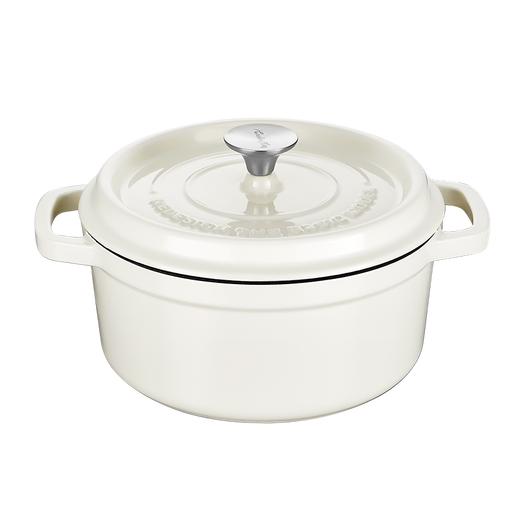
Why this model is a great fit: It offers the essential benefits of an enamelled cast iron Dutch oven—even heat retention and easy cleaning—at an accessible price point. Ideal for anyone looking to get into the world of braising without immediately investing in a premium brand.
The heavy-duty construction and solid enamel are designed for longevity, addressing the concern of premature wear and tear common in more affordable models.
Provides excellent heat retention for consistent cooking results, from high-heat searing to slow braising over several hours.
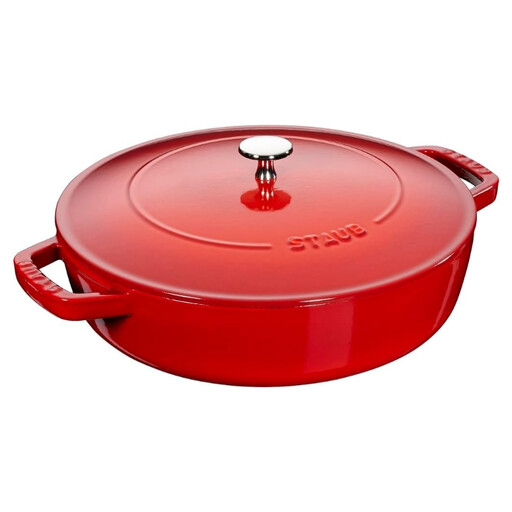
Why this model is a great fit: The Staub Dutch oven is the benchmark for ambitious cooks who value maximum performance and proven design. It is an investment that pays off through outstanding cooking results and extreme durability.
The patented Chistera drop-structure inside the lid ensures continuous basting of the food and actively prevents it from drying out—a clear technical feature that counters the "leaky lid" pitfall.
Superior moisture circulation for exceptionally juicy and tender results. Its manufacturing in France and a long warranty period underscore its high standard of quality.
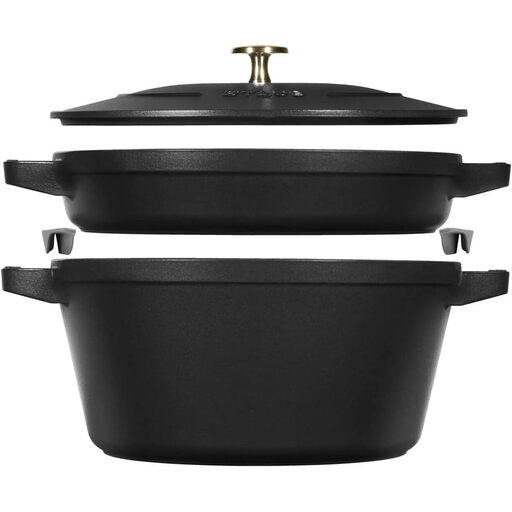
Why this model is a great fit: With a 6-litre capacity, this cast iron pot is ideal for large family-sized portions, batch cooking for the week, or baking a large loaf of bread. Here, volume and reliable performance are the main focus.
The heavy, tight-fitting lid with self-basting spikes creates a perfect seal. This is crucial for cooking large quantities of food evenly and generating the steam environment necessary for baking bread.
Generous 6-litre capacity combined with the proven self-basting system for consistent results, even with large quantities.
We have compiled a complete, up-to-date list of products that fully meet these strict selection criteria and German safety regulations.
Always let the Dutch oven cool down after use before bringing it into contact with cold water to avoid thermal shock. It should be cleaned with warm water, a mild washing-up liquid, and a soft sponge. Avoid steel wool or abrasive scouring agents, as they can damage the enamel. Dry the pot thoroughly after cleaning to prevent water spots.
Yes, it is exceptionally well-suited for it. The excellent and even heat retention of cast iron, combined with the steam trapped by the heavy lid, simulates the conditions of a professional steam oven. This results in bread with an especially crispy crust and a moist, airy crumb. A round Dutch oven with a 3 to 5-litre capacity is a very common choice for home bread bakers.
For a household of four, a round Dutch oven with a diameter of about 24 to 26 cm and a capacity of approx. 4 to 5 litres is a versatile and suitable size. This dimension is sufficient for most braised dishes, a Sunday roast, or a whole chicken, and still leaves enough room for side dishes.