
Lieferung heute & morgen

Qualitätsgarantie

Willkommens-Angebote freischalten: KOSTENLOSE Lieferung | Bis zu 80 % RABATT | Kostenlose 30-Tage-JoyPlus-Testphase
App herunterladen
Purchasing a new motorcycle helmet is a critical decision. Since the introduction of the new ECE 22.06 testing standard, many riders are unsure what to look for. The market is filled with models promising numerous features, but not all of them deliver. This guide will help you understand the essential criteria and avoid common buying pitfalls.
It's easy to make mistakes when choosing a helmet, which can impact not only your wallet but also your comfort and safety. Here are three common errors:
To make an informed decision, you should focus on the core technical features that define a good helmet.
The UN/ECE 22.06 standard is the current benchmark for motorcycle helmets in Europe. Compared to the old 22.05 standard, the testing conditions have been made significantly stricter:
An ECE 22.06 motorcycle helmet therefore offers a demonstrably higher level of protection based on the latest technical standards.
The outer shell material has a direct impact on weight and shock absorption.
The helmet type is also crucial for its intended use. A full-face helmet for touring offers good aerodynamics and noise insulation due to its closed design. In contrast, a modular helmet with a sun visor scores points for its flexibility in city traffic or during short breaks.
Instead of making a one-size-fits-all recommendation, we have identified models tailored to specific user profiles.
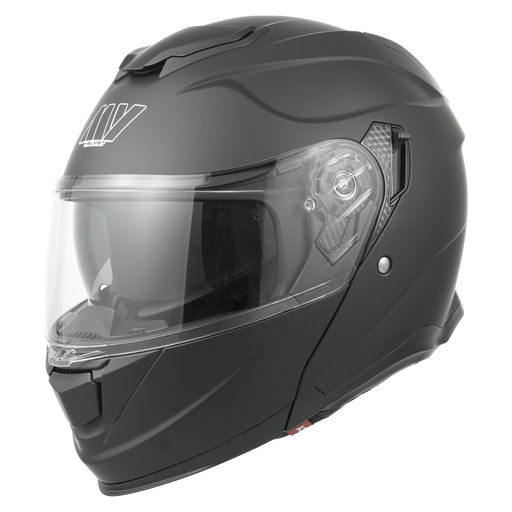
Why This Fits Their Persona: Ideal for the daily commute and city riding. The flip-up mechanism allows for quick communication or a brief moment of fresh air without having to remove the helmet. The dual visor system with an integrated sun visor adapts to changing light conditions.
This helmet combines practical features with the critical safety of ECE 22.06 certification. Instead of relying solely on the flexibility of the modular mechanism, safety is ensured by a robust ABS shell and a shock-absorbing EPS inner liner.
High flexibility thanks to the flip-up function and integrated sun visor. Prepared cutouts for easy installation of a communication system.
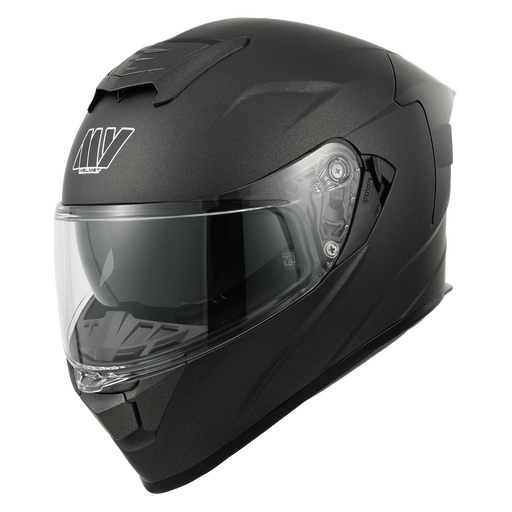
Why This Fits Their Persona: Designed for long distances where comfort and reduced fatigue are paramount. The removable and washable inner lining ensures hygiene, while the aerodynamic shape of the shell reduces strain on the neck muscles at higher speeds.
This helmet avoids the pitfall of neglecting comfort. It focuses on long-distance suitability with a skin-friendly inner lining and effective shock absorption via a high-density EPS, rather than just focusing on an aggressive exterior.
A good balance of protection and comfort for long rides. The removable liner simplifies maintenance, and the integrated sun visor is a practical feature for touring.
Safety and protection aren't just important on a motorcycle. The right headwear should also be chosen for other outdoor activities. This applies to UV protection on sunny days as well as to the safety of children in traffic.
For outdoor sports activities, effective sun protection is essential. A women's sun hat with UV protection should be more than just a fashion accessory. Look for certified protection factors and functional designs.
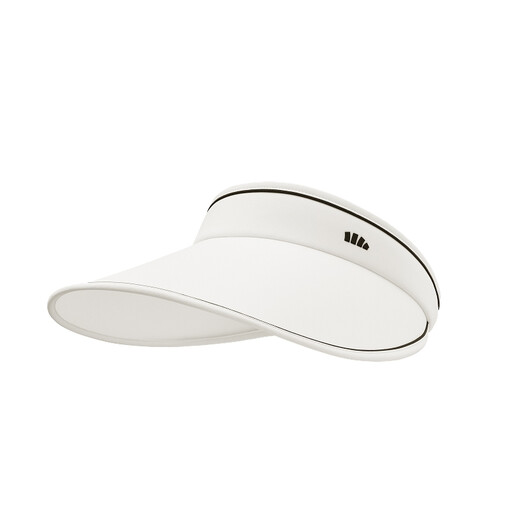
Why This Fits Their Persona: Suitable for women seeking reliable sun protection during activities like hiking, tennis, or at the beach. The open-top design ensures breathability, while the wide brim protects the entire face.
Instead of being a purely fashionable hat, this SPF 50+ visor cap offers proven UV protection that, according to the manufacturer, blocks ≥99.9% of UV rays. The focus is on function and protection, not just looks.
Wide brim (13.5 cm) for comprehensive facial protection. Lightweight and foldable for easy transport. The cooling sweatband provides additional comfort.
The right outdoor protective gear is also crucial for the youngest road users. A children's bicycle helmet should not only meet legal standards but also be lightweight and comfortable so that it is worn willingly. Models like the RoyalBaby Full-Face Helmet offer protection for various activities, from regular cycling to BMX, thanks to their convertible design.
An often underestimated but crucial part of any helmet is the visor. A clear, scratch-resistant, and anti-fog visor is essential for safety. If you are looking to upgrade your current visor or need a replacement, you can find a selection of certified options here.
We've compiled a complete, up-to-date list of products that fully meet these strict selection criteria and safety regulations.
1. How long does an ECE 22.06 motorcycle helmet last? Manufacturers generally recommend replacing a helmet every 5 to 7 years, even if it has not been in an accident. Over time, materials like the EPS inner shell can lose their damping properties due to sweat, UV radiation, and temperature fluctuations. A helmet must be replaced immediately after any fall or significant impact, as invisible micro-fractures can compromise its protective capabilities.
2. Can I still use a helmet with an ECE 22.05 certification? Yes, riding with helmets certified under the older ECE 22.05 standard is still fully permitted in the EU. Only the sale of new helmets certified exclusively under the old standard has been prohibited for manufacturers since the beginning of 2024. However, when buying a new helmet, a model compliant with ECE 22.06 is recommended as it meets more current and stringent safety requirements.
3. Will any communication system fit in an ECE 22.06 helmet? Not necessarily. Many modern helmets, like the MY 935 modular helmet featured here, have specially prepared recesses for speakers and microphones, which greatly simplifies installation. It is advisable to check the helmet's product description before purchasing to ensure compatibility with your desired communication system and to guarantee an optimal fit without pressure points.