
Lieferung heute & morgen

Qualitätsgarantie

Willkommens-Angebote freischalten: KOSTENLOSE Lieferung | Bis zu 80 % RABATT | Kostenlose 30-Tage-JoyPlus-Testphase
App herunterladen
Finding a game that not only entertains but also helps develop literacy skills can be a challenge. The market offers a wide variety, from classic ABC learning games for the little ones to fast-paced word games for the whole family. The goal of this article is to give you a clear overview of different types of educational letter games and help you find the right option for your needs.
As your Joybuy Product Recommendation Officer, I have analysed various products to offer you an objective and practical guide.
To select the right game, a few criteria can help with your decision. The following points are based on objective product features and common requirements.
The child's developmental stage is crucial. For preschoolers, an ABC learning game that introduces the first contact with the alphabet is ideal. The focus here is on recognising shapes and associating sounds. A good example is toys for ages 3 and up that use large, easy-to-grip pieces. For older children, or even teens and adults, dynamic word games for kids or a letter-based party game that focuses on speed, vocabulary, and creativity are more engaging.
The quality of the materials affects the toy's durability and safety. Products made of wood, such as wooden magnetic letters, are often sturdy and have a pleasant tactile feel. For games made of paper or cardboard, it is advisable to look for certifications like FSC, which verify sustainable sourcing of the material. Also, pay attention to the size of the individual parts, especially for toys intended for children under three, to prevent choking hazards.
Besides simply learning letters, games can also promote other skills. A letter craft kit, for example, combines the alphabet with hands-on activity, fostering fine motor skills and creative expression. Such sets are excellent as a creative gift for children, as they produce a tangible and often personalised result. Consider whether the game can be played alone, with a partner, or in a larger group, and whether it offers different game variations for long-lasting appeal.
Here you will find a selection of products that cater to different age groups and interests. Each product is presented based on its specific features and intended uses.
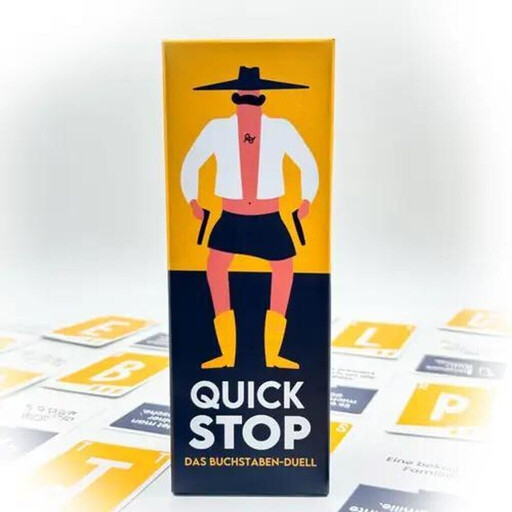
Why It Stands Out: Quickstop is a dynamic evolution of the well-known "Categories" game principle. Instead of writing, players lay down matching letter cards. According to the manufacturer, the game is produced in an eco-friendly manner from FSC-certified paper, and 1% of the profits are donated to charitable causes.
Pros:
Who is it for? This card game is aimed at teens aged 10 and up and adults looking for a fast and entertaining letter-based party game for game nights with friends or family.
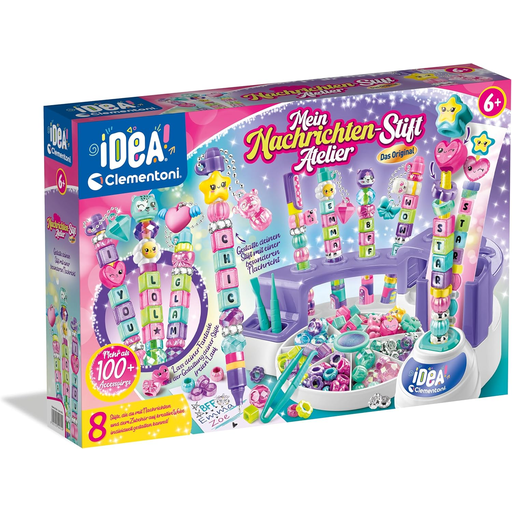
Why It Stands Out: This letter craft kit allows children to design functional items themselves—namely, ballpoint pens. The set includes a workstation and a variety of decorative elements like letters, beads, and stickers to create custom pens.
Pros:
Who is it for? Ideal for children aged 6 and up who enjoy crafting and creating personalised items. It makes a perfect creative gift for children for occasions like birthdays or the first day of school.
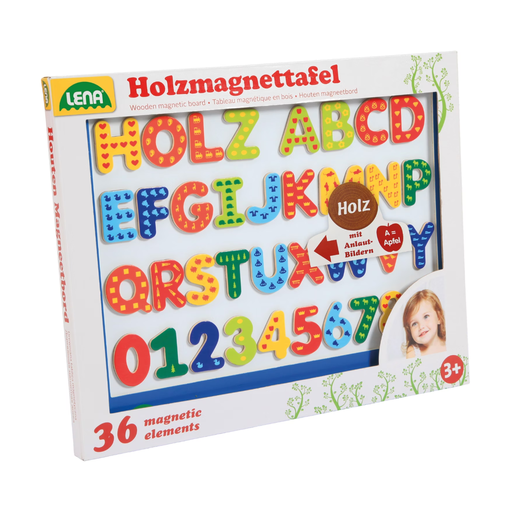
Why It Stands Out: This classic learn the alphabet game combines a large magnetic board with a sturdy wooden frame and a set of letters and numbers. The letters feature pictures corresponding to their initial sound (e.g., A for Apple), which makes learning easier.
Pros:
Who is it for? This set is designed as a toy for ages 3 and up and is aimed at preschoolers who are being playfully introduced to the alphabet and the world of numbers. The wooden magnetic letters (frame) and illustrated elements make it a clear and engaging learning tool.
Didn't find the right fit among these suggestions? The market offers an even greater variety of games that promote language and creativity. From simple puzzles to complex strategy games, there are numerous possibilities.
? Discover more products in our Spielzeugstab category.
Simple learning games that focus on recognising letter shapes and sounds can be beneficial for children from around three years of age. It is important that the game matches the child's individual developmental stage and is used without pressure. More complex word games are generally suitable for primary school children and older.
Playful learning works best when it is integrated into everyday life. Magnetic letters on the fridge, shaping letters out of modelling clay, or a craft set can spark curiosity. An ABC learning game with pictures and sounds can also help build a positive connection to the alphabet.
The range is extensive. It spans from letter memory games and word search puzzles for younger children to board games where words must be formed, and fast-paced card games based on associations and reaction speed. Each type promotes different skills such as vocabulary, spelling, or strategic thinking.