
Lieferung heute & morgen

Qualitätsgarantie

Willkommens-Angebote freischalten: KOSTENLOSE Lieferung | Bis zu 80 % RABATT | Kostenlose 30-Tage-JoyPlus-Testphase
App herunterladen
Finding the perfect gift for a child can be a challenge. Parents, grandparents, and relatives often want something that not only brings joy but also meaningfully supports a child's development. Interactive learning toys are increasingly taking centre stage. They combine fun with the promotion of cognitive and motor skills, offering a modern alternative to pure screen time.
This article serves as a guide. We will introduce a selection of products and provide you with objective criteria to help you choose the right smart toy.
The market for electronic educational toys is diverse. To make an informed choice, the following points can be helpful.
An educational toy only reaches its full potential when it is tailored to the child's age and developmental stage. Check the manufacturer's age recommendation and pay attention to which skills are specifically promoted—be it language, logical thinking, or an initial understanding of numbers, as taught by a maths learning game. The controls should be intuitive so the child can interact with it independently.
Many parents specifically look for screen-free toys to protect their children's eyes and improve concentration. Products that rely on haptic or auditory stimuli offer a welcome change from tablets and smartphones. They allow for focused engagement with the learning content without the distractions of a multifunctional device.
When it comes to toys made for children's hands, safety is paramount. Look for robust, non-toxic materials like ABS plastic and a design free of sharp edges. For connected AI toys for kids, data privacy is also a relevant aspect. Find out how the manufacturer handles collected data and what security measures are in place. Within the EU, the CE mark indicates that the product meets the applicable safety requirements.
Based on the criteria mentioned above, we have compiled a selection of products that cover different learning areas and age groups.
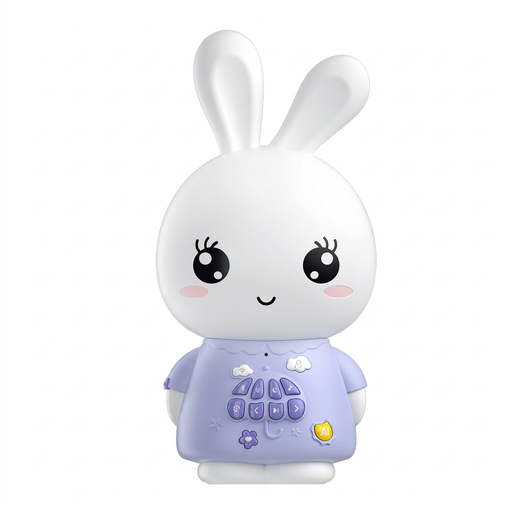
Why It Stands Out: The alilo Smart AI Bunny is an example of a modern AI toy for children. It uses a ChatGPT connection to conduct real-time conversations in 91 languages. This makes it a versatile companion for early language education. The combination of pre-installed content and interactive communication sets it apart from classic toys.
Advantages:
Who Is It For? This toy is suitable for children aged 3 and up who enjoy stories, music, and conversations. It is a great choice for families looking to promote language development in a playful way, including in multilingual households.

Why It Stands Out: This maths learning game focuses entirely on teaching basic arithmetic skills—and it's completely screen-free. With over 50,000 maths problems at various difficulty levels, it offers a long-lasting and focused way for primary school children to practise.
Advantages:
Who Is It For? This device is designed for children aged 5 to 12 who need to strengthen their arithmetic skills. It is an excellent choice for parents looking for targeted and playful support for maths lessons.
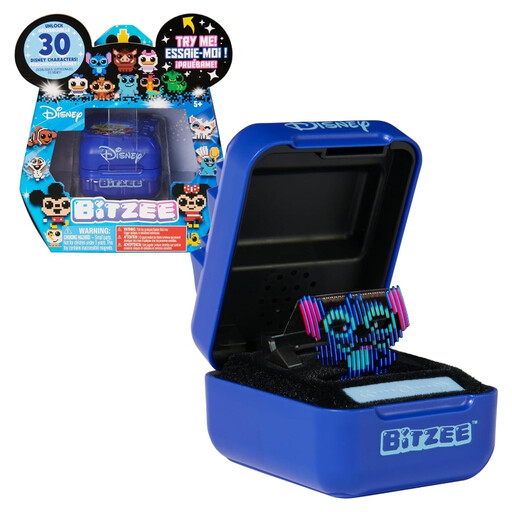
Why It Stands Out: Bitzee Disney reimagines the "digital pet" concept. Instead of appearing on a flat screen, the 30 Disney and Pixar characters appear as a kind of hologram in a box that responds to touch, tilting, and shaking. This physical interaction with a digital figure creates a unique play experience.
Advantages:
Who Is It For? Recommended for children aged 5 and up who are fans of Disney and the digital pet gameplay concept. It encourages nurturing and provides long-lasting motivation through unlocking new characters.
The world of educational toys is vast and constantly evolving. If the products featured here don't quite match what you're looking for, or if you simply want to browse, you can find more inspiration in our broader category.
Discover More Learning Toys for Kids
Interactive learning toys are toys that actively respond to a child's actions. This is usually achieved through built-in electronics, sensors, or software. The goal is to playfully teach skills such as logical thinking, language comprehension, motor coordination, or basic maths through this interaction. An electronic learning game can take many different forms, from talking figures to digital building kits.
There is no one-size-fits-all starting age. The market offers products for almost every age group, from toddlers around 3 years old to complex programming robots for teenagers. The crucial factor is that the toy matches the child's individual developmental stage. The manufacturer's age recommendation is an important guideline for this.
Yes, there is a growing selection of high-quality screen-free toys. Products like the featured alilo Maths Game or auditory toys like the Smart AI Bunny show that interactive learning does not necessarily require a screen. Such toys can help strengthen concentration and avoid overstimulation from visual stimuli.