
Lieferung heute & morgen

Qualitätsgarantie

Willkommens-Angebote freischalten: KOSTENLOSE Lieferung | Bis zu 80 % RABATT | Kostenlose 30-Tage-JoyPlus-Testphase
App herunterladen
As a Joybuy Product Recommendation Officer, I see countless products every day. My job is to separate the wheat from the chaff and give you practical advice so your decision is based on facts, not marketing hype. The search for the right educational toys for ages 3 and up can be overwhelming. The market is flooded with products that make big promises. But not every toy advertised as "educational" will support your child's development in the long run.
Before you make a purchase, it's important to know the most common pitfalls that often lead to disappointment and unnecessary expense.
To find a toy that is both safe and offers real value, you should focus on three crucial criteria. These will help you objectively evaluate a product's quality.
In a digitized world, many parents are specifically looking for screen-free alternatives. A screen-free learning tablet is a great example of this. Such devices use physical cards or a talking pen for kids to impart knowledge interactively. The child is actively involved—pressing, selecting, and listening—without being exposed to the passive sensory overload of a display. This promotes concentration and the ability to play independently. Look for systems that are controlled by touch or a pen and provide auditory feedback.
A good educational toy for toddlers focuses on specific areas of development. For children aged three and up, language development is particularly crucial. A language development toy should do more than just repeat words. Ideally, it asks questions, encourages repetition, tells short stories, or connects words with images and sounds. Equally important is fostering logical thinking through sorting, matching, or simple rule-based games.
Safety is non-negotiable. Pay attention to the manufacturer's age recommendation. The warning "Not suitable for children under 36 months" is often due to the risk of swallowable small parts. Check the toy for the following features:
Based on the criteria above, we have identified a few products that are well-suited for different needs and developmental focuses.
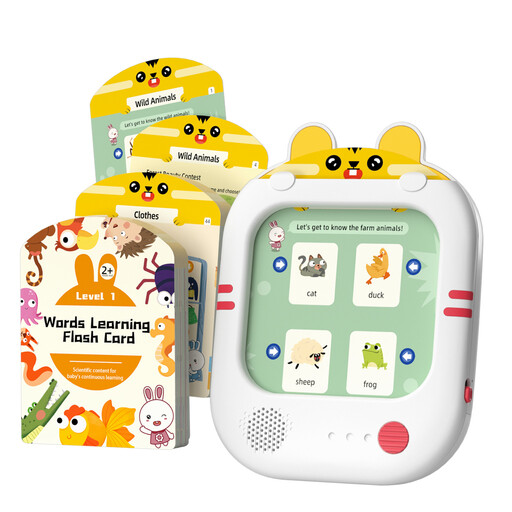
Why This Fits Their Persona: Ideal for parents seeking an interactive, screen-free tool for language development. It specifically promotes vocabulary and logical thinking through a tactile interface that motivates children to learn independently. A fitting gift for 3-year-olds that combines education and play.
With 47 double-sided cards covering over 180 words and logic games, it offers long-lasting content and avoids the "one-and-done toy" trap. The integrated rechargeable battery also prevents hidden running costs for batteries.
Combines auditory playback with physical learning cards to promote language and logic. The device is portable and rechargeable.
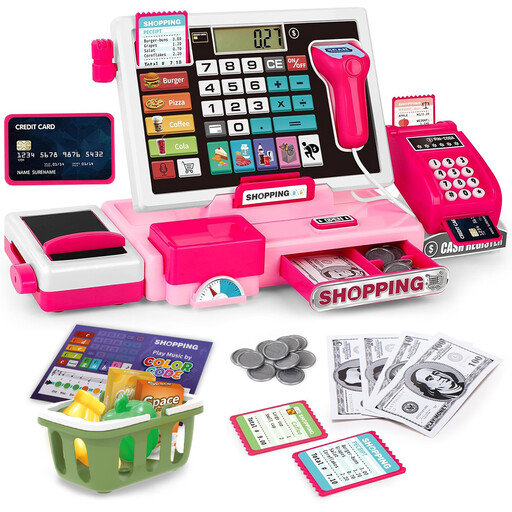
Why This Fits Their Persona: Perfect for children who love to act out everyday situations. This set promotes social interaction, communication skills, and an initial understanding of numbers and money through active role-playing.
By combining various functions (real calculator, scanner, piano mode) and accessories, it offers diverse and long-lasting play opportunities that go beyond simply pressing buttons.
Playfully promotes basic math skills, social competencies, and fine motor skills. The soft edges and certified non-toxic materials are designed for the safety of young children.
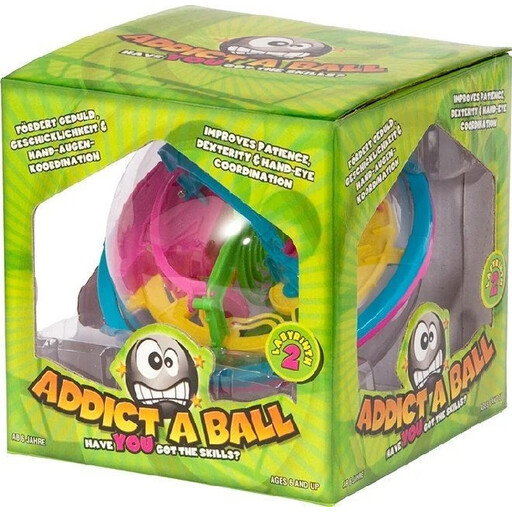
Why This Fits Their Persona: An excellent choice for children who enjoy a quiet, focused challenge. This dexterity game trains patience, fine motor skills, and spatial reasoning completely without electronics. Although the manufacturer recommends it for ages 6 and up, it can also captivate younger children under supervision.
As a purely mechanical toy, it is extremely durable and has no running costs. The 100 different levels offer an increasing difficulty curve and provide long-lasting motivation instead of quickly becoming boring.
Trains hand-eye coordination and concentration in a captivating, non-digital way. The game is portable and promotes problem-solving skills.
We have compiled a complete, up-to-date list of products that fully meet these strict selection criteria and all applicable safety regulations.
Pay attention to the manufacturer's age recommendation and check the product for robust materials without sharp edges. A crucial indicator is the warning about small parts that can be swallowed, which should not be present on toys for children under three. Additionally, battery compartments should always be securely screwed shut to prevent access by the child.
Choose toys that offer different play modes or difficulty levels. Products that encourage open-ended and creative play, such as role-playing sets or construction toys, generally have a longer lifespan than toys with only a single, repetitive function. Expandable content, as seen in learning tablets with additional card sets, is also a good sign of long-lasting play value.
Educational experts and organizations like Germany's Federal Centre for Health Education (BZgA) generally advise against screen media for children under three and recommend only very limited and always supervised usage times for 3- to 5-year-olds. Screen-free educational toys offer a developmentally appropriate alternative that hones cognitive and motor skills without the potential downsides of screen time.