
Lieferung heute & morgen

Qualitätsgarantie

Willkommens-Angebote freischalten: KOSTENLOSE Lieferung | Bis zu 80 % RABATT | Kostenlose 30-Tage-JoyPlus-Testphase
App herunterladen
For many, the aroma of freshly ground beans is the epitome of a perfect coffee. An electric coffee grinder promises to bring this aroma to your cup every day, effortlessly. However, not every device delivers on its promise. Before you make a decision, it's crucial to understand the common pitfalls that often only become apparent after the purchase, spoiling your coffee experience.
Common Problems When Choosing an Electric Coffee Grinder:
An informed purchasing decision is based on understanding the core components that qualify a grinder for its specific purpose.
To avoid a bad purchase, you should pay special attention to three technical features. These largely determine the quality of the grind and, consequently, the final result in your cup.
The grinding mechanism is the most important component. There are three main types:
The ability to precisely adjust the grind size is critical. A coffee grinder for espresso requires very fine, often stepless adjustment options to create the perfect resistance for extraction. For a French press, on the other hand, a coarse grind is necessary, while a coffee grinder for filter coffee falls in the medium range. Pay attention to the number of grind settings and whether they are sufficient for your preferred brewing method.
The materials of the burrs (usually stainless steel or ceramic) and the housing affect durability and cleaning. A quiet coffee grinder is often better insulated and more solidly built. For travelers or outdoor use, a cordless coffee grinder is a practical solution that offers independence from the power grid.
Based on these criteria, we have identified several models that represent a suitable solution for different user profiles and use cases.
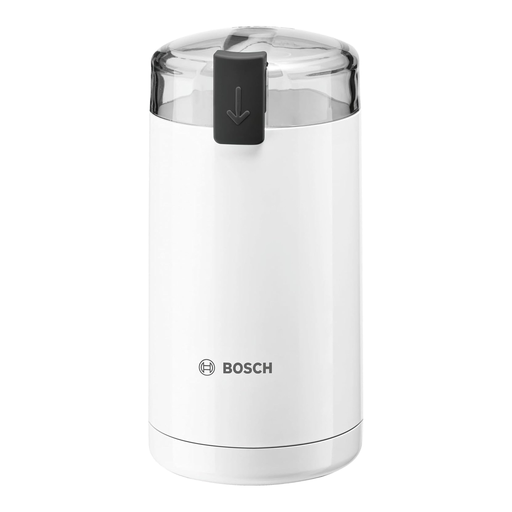
Why This Fits Their Persona: Ideal for users looking for a straightforward and cost-effective solution for their daily filter coffee. Its simple operation and compact design make it a practical helper in any kitchen, and it can also be used for grinding spices.
This model is an honest blade grinder without false promises. It sidesteps the trap of paying a premium for a subpar conical burr grinder. For its intended purpose—simple filter coffee or spices—it delivers a functional result.
Simple one-button operation; Compact design and easy cleaning; Versatile for coffee beans and dry spices.
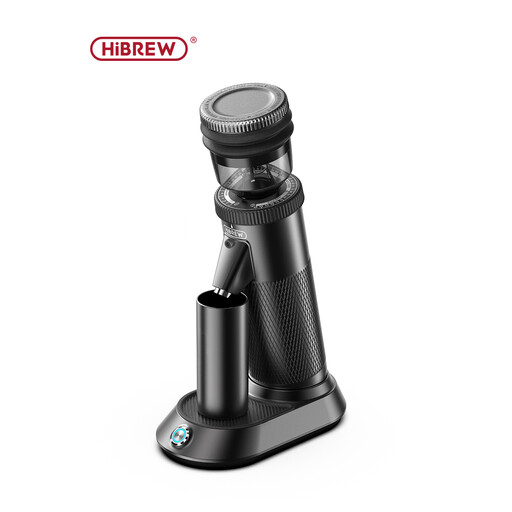
Why This Fits Their Persona: Designed for coffee lovers who need precise control over the grind size for various brewing methods, especially espresso. The numerous settings allow for fine adjustments to achieve optimal extraction.
This grinder directly addresses the problem of inconsistent grinds with its CNC-machined conical burr set. The 36 grind settings provide the necessary control that blade grinders lack. The anti-static feature also reduces the mess from flying coffee grounds.
Precise 48mm conical burr set; 36 grind settings for espresso to filter coffee; Low-speed grinding to reduce heat buildup.
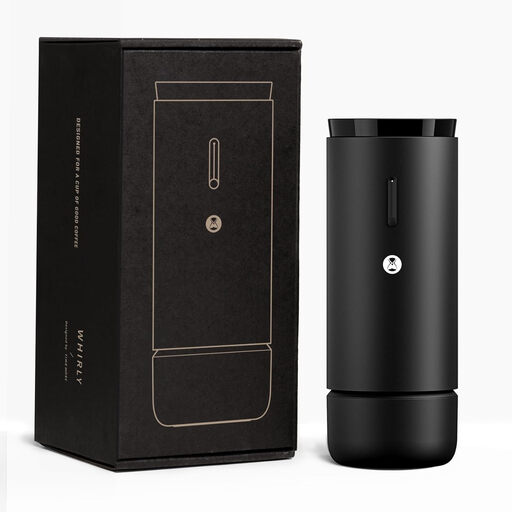
Why This Fits Their Persona: Perfect for anyone who doesn't want to miss out on freshly ground coffee while on the go, camping, or traveling. The cordless coffee grinder and robust metal housing make it a reliable companion.
This model defies the compromise between portability and quality. It features a patented stainless steel conical burr set and 30 precise grind settings, which is rare for travel grinders. The thermal insulation also prevents the grounds from overheating.
Cordless battery operation with USB-C charging port; Precise stainless steel conical burr set; Compact and durable metal housing.
We have compiled a complete, up-to-date list of products that fully meet these strict selection criteria and German safety regulations.
Cleaning is crucial for longevity and taste. Always turn off the device and unplug it. Metal or ceramic burrs should never be cleaned with water, as this can lead to rust or damage. Use a small, stiff brush to remove coffee residue from the burrs and chute. For a more thorough cleaning, there are special cleaning pellets that are ground through the mill, binding coffee oils and residues. The bean hopper and grounds container can usually be wiped with a damp cloth or, if specified by the manufacturer, cleaned with water.
The choice of grind size depends directly on the contact time between the water and the coffee grounds. As a rule of thumb:
Technically, it is possible, especially with a blade coffee grinder. However, it is not recommended if you primarily use the device for coffee. The intense oils and aromas of spices like cumin or cloves can settle in the grinder and permanently affect the taste of your coffee. For spices, salt, and pepper, a dedicated electric spice grinder or an electric salt and pepper grinder is the more hygienic and flavor-neutral solution.