
Lieferung heute & morgen

Qualitätsgarantie

Willkommens-Angebote freischalten: KOSTENLOSE Lieferung | Bis zu 80 % RABATT | Kostenlose 30-Tage-JoyPlus-Testphase
App herunterladen
The difference between pre-ground coffee and freshly ground beans is fundamental to the aroma in your cup. A high-quality electric coffee grinder is therefore not an afterthought, but the very foundation of exceptional coffee. However, the market is crowded, and many devices promise more than they can deliver. Before you make a decision, it's crucial to understand the most common pitfalls that lead to disappointing results and unnecessary expense.
As your Joybuy Product Recommendation Officer, I'll help you define objective criteria for your selection and separate marketing hype from genuine performance features.
Many coffee lovers invest in expensive beans and a high-end coffee machine but underestimate the role of the grinder. This often leads to three key problems:
To avoid these mistakes, you should carefully examine three technical features before buying. These define the quality and versatility of a grinder.
The heart of any grinder is its grinding mechanism. Blade grinders, which shatter beans with spinning blades, are unsuitable for serious coffee enjoyment. The choice should always be a burr grinder made of ceramic or hardened steel.
Having a good electrically adjustable coffee grinder is crucial. However, the number of steps alone is not the only criterion. What matters is how fine the increments are between each setting (micro vs. macro adjustments) and whether the settings are repeatable.
A high-torque, gear-reduction motor ensures a consistent speed even with hard, light-roasted beans and reduces heat buildup. The housing should be sturdy to minimise vibrations, and the grinding chamber should be easily accessible for regular cleaning. Materials like stainless steel for the burrs guarantee durability and flavour neutrality when grinding coffee beans.
Based on these objective criteria, we have identified several models that represent an ideal solution for different user profiles.
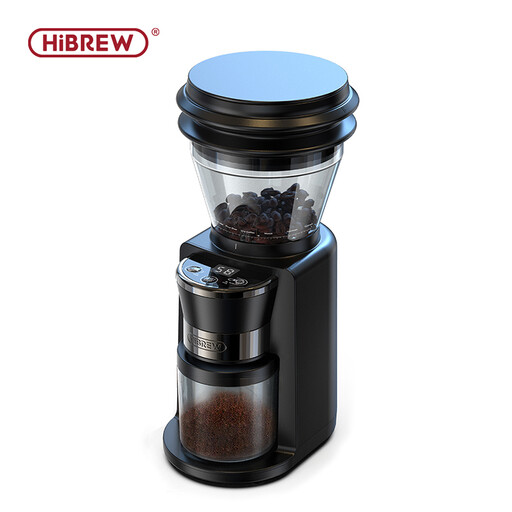
Why This Fits Their Persona: Ideal for coffee drinkers looking to upgrade from a blade grinder without a major investment. It offers the essential features for better coffee, from filter coffee to first attempts with a Moka pot.
The steel conical burr set ensures a significantly more uniform grind than a blade grinder, thus preventing uneven extraction. The 34 grind settings provide a solid foundation for various brewing methods.
Features an anti-static function to reduce coffee ground scatter. The quantitative output for one or two cups simplifies dosing.
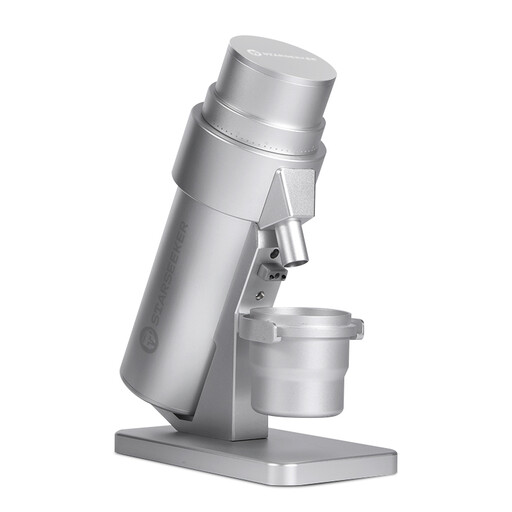
Why This Fits Their Persona: For users who own a portafilter machine and strive for maximum control over their espresso extraction. They need a grinder that delivers consistent, fine grinds and functions as a professional-grade home coffee grinder.
The large 63mm burrs ensure a very uniform grind and low heat generation. This directly addresses the problems of inconsistency and aroma degradation, a prerequisite for high-quality espresso.
The grinder is specifically designed for the demands of espresso and pour-over. The high-torque motor and precise adjustability enable repeatable results.
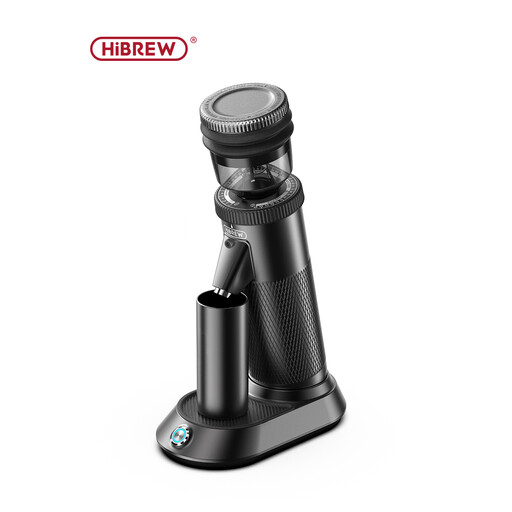
Why This Fits Their Persona: For users who love to experiment with different brewing methods—from Turkish coffee and espresso to pour-over and drip coffee. They need a grinder that can precisely cover a wide spectrum of grind sizes.
The slow-grind option (400 RPM) actively reduces heat buildup, which preserves aromas, especially with delicate beans. The 36 grind settings provide the necessary flexibility to avoid being locked into one brewing method.
The 48mm CNC conical burr set and two selectable grinding speeds offer a high degree of control. The robust aluminium housing ensures stability and durability.
We've compiled a complete, up-to-date list of products that fully meet these strict selection criteria and rigorous safety standards.
For optimal performance and fresh taste, regular cleaning is recommended. A simple cleaning with a brush to remove loose coffee grounds should be done after each use. A more thorough cleaning, where the grinding chamber is vacuumed or treated with specialised cleaning pellets, is advisable every 1-4 weeks, depending on usage, to remove old coffee oils that can go rancid.
As a general guideline:
Start with a medium setting for your chosen method and adjust according to taste. If the coffee tastes too bitter, grind coarser. If it tastes watery or sour, grind finer.
Yes, a high-quality espresso grinder can typically also grind coarse enough for filter coffee. The decisive factor is whether the grinder can consistently produce a wide range of grind sizes. A good electrically adjustable coffee grinder with a precise burr set has the advantage here. However, the reverse is difficult: a simple filter coffee grinder usually cannot grind finely or consistently enough for true espresso.