
Lieferung heute & morgen

Qualitätsgarantie

Willkommens-Angebote freischalten: KOSTENLOSE Lieferung | Bis zu 80 % RABATT | Kostenlose 30-Tage-JoyPlus-Testphase
App herunterladen
An electric heater can quickly provide additional warmth in a home office, bedroom, or bathroom. The selection ranges from compact electric fan heaters to electric radiators with thermostats. However, technical terms such as “ECO,” “rapid heating,” or “quiet operation” say little on their own about a product’s actual suitability.
The key factors are room size, desired heating duration, placement, and safety features. Checking these points before buying helps you avoid unnecessary electricity costs and a device that does not suit your living space in everyday use.
A 2,000-watt fan heater delivers high heat output, but at full power it also consumes up to 2 kWh per hour of operation. Assuming an electricity price of €0.35 per kWh, that would amount to around €0.70 per hour. The actual cost depends on your tariff and the selected operating mode.
An energy-efficient fan heater with an ECO mode does not magically reduce its power consumption. It simply reduces the heating output temporarily, depending on the temperature control or room climate. This can be useful for short, targeted use. For continuous operation, an electric heater should not be regarded as a replacement for an existing central heating system.
Manufacturer specifications such as “up to 20 m²” or “up to 35 m²” depend, among other factors, on insulation, ceiling height, outdoor temperature, and the desired target temperature. In a poorly insulated period property, a unit rated for 20 m² may be less suitable than in a well-insulated new build.
Ceramic fan heaters and other blower-based appliances produce operating noise through their fans. Decibel ratings are useful, but they can be perceived differently depending on the measuring distance and surroundings. For bedrooms and focused work, specific noise levels are more informative than generic marketing claims.
A fan heater with a thermostat reduces or switches off the heating output once the set temperature is reached. This can make operation more convenient. A fan heater with a timer prevents the appliance from running longer than intended. A remote control, LED display, app control, and oscillation make operation easier, but do not automatically increase heating performance.
Look for:
Extension cables and power strips can be problematic when used with high-powered appliances. The operating instructions for the specific model are authoritative. Heaters must never be covered or used to dry clothing. For bathrooms, only a model expressly approved for this purpose is suitable.
The following recommendations group appliances according to typical everyday scenarios. The stated performance data and features correspond to the respective product specifications.
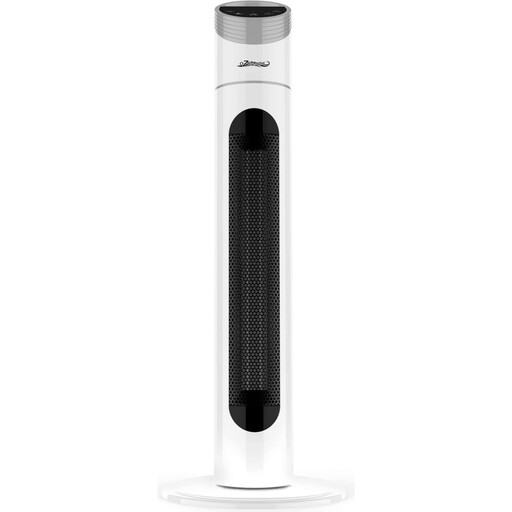
Why This Fits Their Persona: This compact appliance is well suited to rented homes, studies, and individual seating areas where short-term supplementary heating is needed.
The specifications list two heat settings as well as overheating and tip-over protection. This makes it easier to assess the appliance than one without clearly stated safety features.
PTC ceramic technology, 2,000 watts, 120-degree oscillation, and quiet operation according to the product specifications.

Why This Fits Their Persona: For home offices and bedrooms, a thermostat, timer, remote control, and specified noise range are particularly valuable.
According to the manufacturer, the appliance offers 25 to 42 dB, temperature selection from 5 to 35 °C, and overheating and tip-over protection.
2,000 watts, 24-hour timer, oscillation, and digital temperature control.
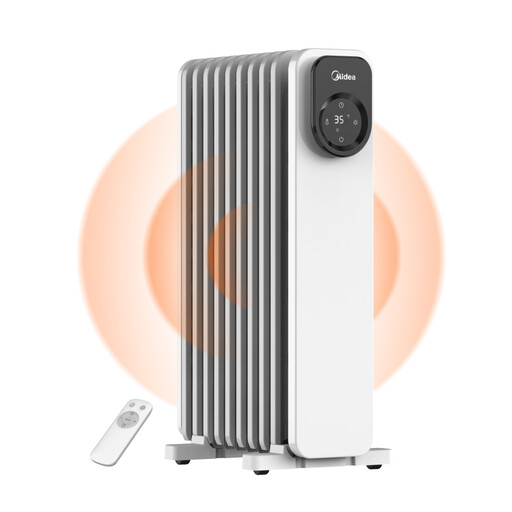
Why This Fits Their Persona: An oil-filled electric radiator is an appealing choice for living rooms, bedrooms, or offices when even, consistent warmth matters more than an immediate stream of hot air.
The fan-free design avoids the typical noise and airflow drawbacks of a fan heater. However, a warm-up period must be taken into account.
2,000 watts, nine fins, thermostat, remote control, and multiple operating modes according to the product description.
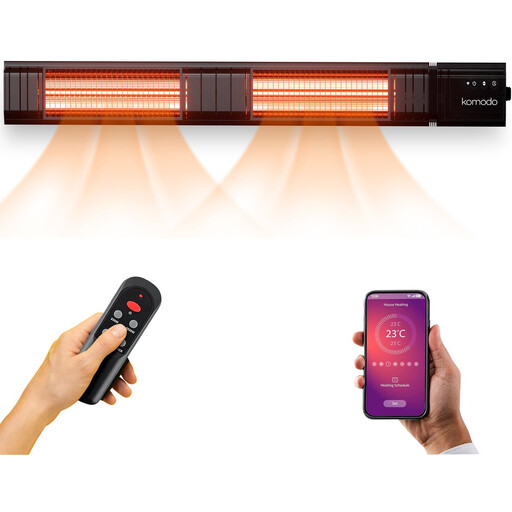
Why This Fits Their Persona: For a covered patio or a clearly defined heating zone, infrared heat can feel more direct than that of a conventional fan heater.
The product specifications state IP65 protection and an adjustment range of over 180 degrees. However, the protection rating does not replace following the operating instructions or protecting the unit from immersion.
3,000 watts, nine heat settings, LED display, timer, remote control, and app according to the manufacturer.
We have put together a current selection of products that take these selection criteria and the relevant safety requirements for Germany into account.
A 2,000-watt appliance theoretically consumes 2 kWh per hour when operating at full power. A 1,500-watt appliance uses 1.5 kWh. Thermostats, timers, and ECO modes can reduce the actual runtime or heat setting. The cost is calculated by multiplying consumption by your electricity rate.
Only if the manufacturer expressly permits this use and all safety instructions are followed. The appliance must stand clear, must not be covered, and requires sufficient clearance from textiles. Automatic shut-off, overheating protection, and tip-over protection improve safety, but do not replace supervision or proper placement.
In the bathroom, use only a model whose instructions and protection rating expressly permit operation in damp areas. An ordinary indoor electric fan heater is not automatically suitable for bathrooms. Clearance from water sources, dry hands, and a suitable power outlet remain essential.